Topical zinc oxide is a widely used ingredient for protecting irritated skin and treating rashes caused by wetness, such as diaper rash. It functions by creating a protective barrier on the skin's surface, shielding it from moisture and further irritation.
Generally, topical zinc oxide is well-tolerated. However, it is advisable to consult a healthcare provider if your rash worsens while using topical zinc oxide or if it does not improve within seven days. Topical zinc oxide is readily available over-the-counter (OTC) in various forms, including creams, ointments, pastes, and sprays.
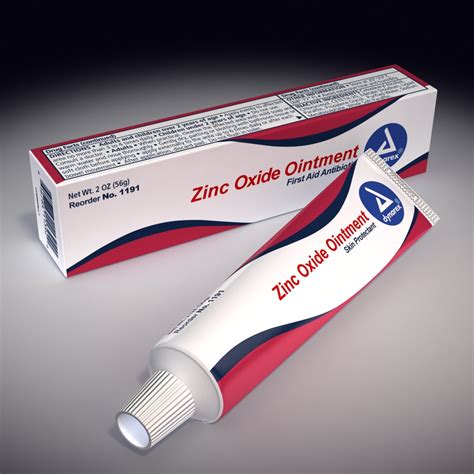
What is Topical Zinc Oxide Used For?
Topical zinc oxide is commonly employed to protect irritated skin. It is also effective in preventing and treating rashes that result from exposure to wetness. This includes conditions such as:
- Diaper rash
- Rash caused by leakage of urine or stool, also referred to as incontinence.
Your healthcare provider may also recommend topical zinc oxide for other conditions based on your specific needs. It's worth noting that zinc is also available as a dietary supplement in various strengths and dosage forms. Additionally, zinc is available as a prescription product for the treatment of Wilson's disease, a genetic disorder characterized by excessive copper buildup in the body.
How Does Topical Zinc Oxide Work?
The mechanism of action for topical zinc oxide involves forming a physical barrier on the skin's surface. This barrier effectively protects the underlying skin from moisture and irritants, thereby preventing or alleviating inflammation and rash.
Dosage Forms and Brands
Topical zinc oxide is supplied in a variety of forms and is available under several brand names. These include:
- Balmex
- Boudreaux’s Butt Paste
- Desitin
- Dr. Smith’s
- Z-Bum
The product is typically available in strengths and dosage forms that are applied directly to the skin, such as creams, ointments, pastes, and sprays.
Storage Recommendations
Most topical zinc oxide products should be stored at room temperature, ideally between 68°F and 77°F (20°C and 25°C). It is best to store these products in a cool, dry place and avoid freezing them. If you are unsure about specific storage instructions for your product, consult your pharmacist.
Side Effects of Topical Zinc Oxide
Topical zinc oxide is generally well-tolerated, and significant side effects are uncommon. However, it is important to be aware of potential adverse reactions.
Common Side Effects
Most users do not experience bothersome side effects. If you notice any side effects that concern you, it is recommended to speak with your healthcare provider. It's important to note that there may be other side effects not listed here. If you suspect you are experiencing a side effect, contact your healthcare provider immediately.
Serious Side Effects
While less common, serious side effects can occur. These include:
- Severe Allergic Reactions: Symptoms may include breathing problems or wheezing, a racing heart, fever or general illness, swollen lymph nodes, swelling of the face, lips, mouth, tongue, or throat, difficulty swallowing or throat tightness, itching or skin rash, hives (red, pink, white, or brown bumps), nausea or vomiting, and dizziness, lightheadedness, or fainting. If you experience any of these symptoms, stop using topical zinc oxide and seek immediate medical help.
In Canada, you can report side effects to Health Canada.
Warnings and Precautions
Before using topical zinc oxide, it is essential to be aware of certain precautions:
Allergies to Ingredients
Individuals who are allergic to zinc oxide or any other ingredients in a specific product should not use it. Common brands include Balmex, Boudreaux’s Butt Paste, Desitin, Dr. Smith’s, and Z-Bum. Your pharmacist can provide a complete list of ingredients for specific products.
General Usage Guidelines
- Always follow the instructions provided with your topical zinc oxide product.
- Keep topical zinc oxide out of the reach of children.
- This product is for external use on the skin only. Avoid contact with the mouth and eyes. If contact with eyes occurs, rinse immediately with water.
- Wash the skin with soap and water and ensure it is completely dry before applying topical zinc oxide.
- Apply enough product to cover the affected area thoroughly.
- If using a spray, shake the bottle well before use.
- Promptly remove wet clothing or diapers to prevent or treat skin irritation.
- Discontinue use and consult a healthcare provider if symptoms worsen or do not improve within seven days. If symptoms improve but return, seek medical advice before resuming use.
- Be cautious as topical zinc oxide can stain clothing and fabric.
Consulting a Healthcare Provider
Before using topical zinc oxide, inform your healthcare provider about all your health conditions and any medications, vitamins, mineral supplements, herbal products, or other supplements you are currently using. This helps determine if topical zinc oxide is appropriate for you. Specifically discuss with your provider if you are pregnant, planning to become pregnant, or breastfeeding, as the effects of topical zinc oxide in these situations are not fully known.
Interactions with Foods, Drinks, and Other Medicines
Currently, there are no known interactions between topical zinc oxide and foods or drinks. It is also unknown if alcohol consumption affects its efficacy. Similarly, there are no documented interactions between topical zinc oxide and other medicines. However, it is always recommended to inform your healthcare provider about all the products you are using to ensure safety.

Heat Rash and Zinc Oxide
Heat rash, also known as prickly heat or miliaria rubra, is a common skin condition that occurs when sweat ducts become blocked, trapping sweat beneath the skin. This can lead to small, raised bumps, itching, burning, or a prickly sensation. Heat rash often appears in skin folds and is more common in hot, humid climates. While typically not serious, it can be uncomfortable.
Zinc oxide plays a role in managing heat rash symptoms. For instance, calamine lotion, often recommended for soothing heat rash, contains zinc oxide. This ingredient helps to calm itchiness and can be applied to the affected rash using a cotton pad.
Other Treatments for Heat Rash
In addition to zinc oxide-containing products, other treatments for heat rash may include:
- Cool compresses: Applying cold cloths or ice packs wrapped in a towel can help reduce itching, redness, and swelling.
- Light, moisture-wicking clothes: Loose-fitting, breathable clothing helps keep the skin cool and reduces irritation.
- Fans and air conditioners: Maintaining a cool environment helps prevent excessive sweating and allows the rash to dry.
- Oatmeal baths: Colloidal oatmeal can soothe itching and inflammation.
- Steroid creams: Hydrocortisone cream, available over-the-counter, can relieve itching and discomfort.
It is crucial to avoid scratching the rash, as this can lead to further irritation and potential infection.
When to Seek Medical Advice
Consult a healthcare provider if:
- Your or your child's symptoms do not improve within 7 days of using topical zinc oxide.
- Your symptoms worsen.
- Symptoms improve but then return.
- You suspect an infection of the skin, indicated by pus, oozing, increased pain, or swelling.
- If a child or baby develops fever, sore throat, muscle aches, or other flu-like symptoms.
If you accidentally swallow topical zinc oxide, contact a poison control center or seek emergency medical attention immediately.
Prevention of Heat Rash
To prevent heat rash, it is important to stay cool, especially during hot weather:
- Stay in air-conditioned or cool environments.
- Drink plenty of fluids.
- Avoid wearing excessive layers of clothing.
- Limit strenuous physical activity in hot weather.
- Take cool showers or baths.
- For infants and children, ensure they are dressed comfortably and kept cool and hydrated. Frequent diaper changes are also essential to prevent wetness that can contribute to heat rash.