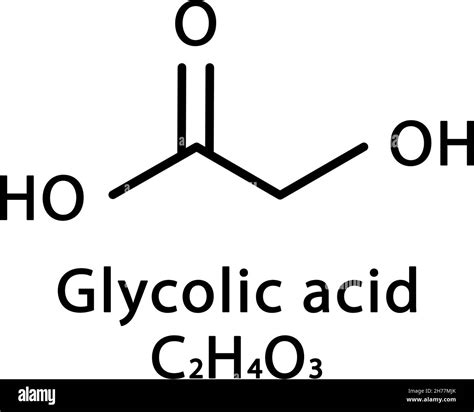
Glycolic acid is a popular ingredient in skincare, renowned for its potent exfoliating properties and a wide range of benefits for improving skin texture, tone, and appearance. As a type of alpha hydroxy acid (AHA), it works by dissolving the bonds between dead skin cells, revealing fresher, brighter skin underneath without the need for harsh scrubbing.
What is Glycolic Acid?
Glycolic acid is a compound that naturally occurs in certain fruits, beets, and sugarcane. In its pure form, it is odorless and colorless. While cosmetic and pharmaceutical companies may use glycolic acid derived from natural sources, the acid used in commercial skincare products typically comes from a laboratory. It belongs to the alpha hydroxy acid (AHA) family, which includes other well-known acids like citric acid (found in citrus fruits), malic acid (found in apples), and lactic acid (found in milk). Among these, glycolic acid has the smallest molecular structure, which allows it to penetrate deeper into the skin more effectively than other AHAs.
Key Properties of Glycolic Acid:
- Exfoliative: It chemically exfoliates the outermost layer of skin cells and oil by dissolving them, offering a gentler alternative to mechanical exfoliants.
- Humectant: Glycolic acid attracts and binds water to skin cells by increasing the synthesis of glycosaminoglycans, thereby supporting skin moisture.
- Antibacterial: At certain concentrations, it can inhibit the growth of bacteria.
- Anti-aging: It can help reduce processes that cause visible signs of skin aging, such as sun damage, and boost collagen and hyaluronic acid production, which contribute to skin elasticity and structure.
Benefits of Glycolic Acid for the Skin
Glycolic acid offers a multitude of benefits, making it a valuable ingredient for addressing various skin concerns:
Acne Management
AHAs, including glycolic acid, are common in acne treatments. Glycolic acid can be used as a chemical peel to help manage acne by reducing breakouts, improving skin texture, and preventing comedonal acne. Its exfoliating properties help to unclog pores and can also reduce the appearance of acne scars.
Addressing UV Damage and Photoaging
Exposure to UV light can lead to sunspots, hyperpigmentation, and wrinkles, collectively known as photoaging. Glycolic acid has been shown to be an effective treatment for sun damage and may offer a protective effect against UVB rays, potentially helping to prevent photoaging.
Reducing Lines and Wrinkles
As skin ages, it can lose plumpness and elasticity, leading to fine lines and wrinkles. Glycolic acid can combat this by increasing skin levels of hyaluronic acid (which keeps skin moisturized), stimulating collagen production (the main structural protein for firmness), increasing fibroblast and keratinocyte proliferation rates (aiding skin repair and regeneration), and improving the quality of elastin (promoting skin elasticity).
Treatment for Warts
Chemical peels, some of which contain glycolic acid, can be a treatment option for warts. Studies have indicated that topical treatments containing glycolic acid can be effective in treating facial warts.
Improving Skin Texture and Tone
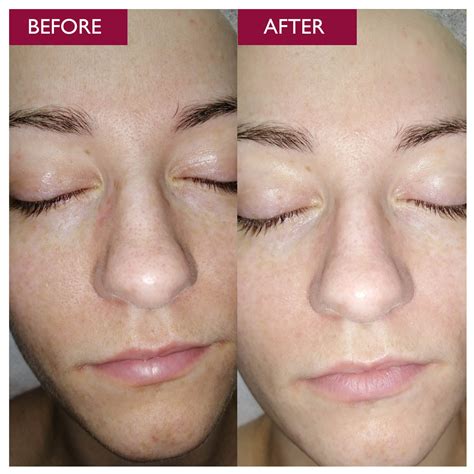
Regular use of glycolic acid can significantly improve skin texture and tone. It helps to smooth the skin, reduce the appearance of fine lines and wrinkles, and contribute to a more even, brighter, and clearer complexion.
Reducing Dark Spots and Hyperpigmentation
Glycolic acid is highly effective in reducing dark spots and treating hyperpigmentation. It works by promoting the shedding of pigmented cells and encouraging the growth of new, evenly pigmented skin cells, leading to a lighter and more uniform skin tone. However, individuals prone to hyperpigmentation should use gentle, non-irritating exfoliants, as strong products can sometimes worsen the condition.
How to Use Glycolic Acid in Your Skincare Routine
Incorporating glycolic acid into your skincare routine requires a thoughtful approach to maximize benefits and minimize potential side effects. The form of glycolic acid product chosen often depends on the desired results.
Choosing a Glycolic Acid Product
Glycolic acid is available in various formats, including cleansers, toners, face mists, liquid exfoliants, serums, moisturizers, acne treatments, and at-home peels. Leave-on formulas generally yield the best results as they allow the acid more time to work.
For beginners, it is recommended to look for products with a low concentration of glycolic acid, around 8% or less, and a pH that is not excessively acidic (most over-the-counter products have a pH around 4). Higher concentrations, often exceeding 10%, should typically be used under the supervision of a dermatologist.
Application and Frequency
When starting with glycolic acid, it is crucial to do so gradually. A patch test on a small, inconspicuous area of skin is advised to check for any adverse reactions. Begin by using the product infrequently, perhaps every two to three days, and slowly increase the frequency as your skin builds tolerance. Overuse or using it too frequently, especially at high concentrations, can lead to over-exfoliation, damaging the skin's protective barrier and causing irritation, redness, dryness, and increased sensitivity.
It is generally recommended to use glycolic acid products at night, as they can increase photosensitivity. Using one glycolic acid product at a time is sufficient to achieve benefits, and introducing new products gradually helps identify any potential issues.
Combining with Other Ingredients
Glycolic acid can be effectively combined with ingredients like hyaluronic acid for added hydration. However, it is crucial to avoid using it simultaneously with other harsh active ingredients such as retinoids or benzoyl peroxide, as this can significantly increase the risk of irritation. If using multiple active ingredients, it is best to alternate them on different days.
Reviewing Glycolic Acid Skincare Hacks | Doctorly Explains
Precautions and Potential Side Effects
While glycolic acid offers numerous benefits, it's essential to be aware of its potential risks and side effects:
Increased Photosensitivity
One of the most significant risks associated with AHAs like glycolic acid is increased photosensitivity. By removing the top layer of skin cells, they make the skin more vulnerable to sun damage. Therefore, using a broad-spectrum sunscreen with an SPF of 30 or higher daily is imperative when using glycolic acid, and avoiding tanning beds is also advised. Some prefer to use glycolic acid products at night to mitigate this risk.
Skin Irritation
Some individuals may experience adverse reactions such as redness, itching, swelling, or burning. These symptoms are not indicative of the product working but rather a sign of irritation. If these occur, the product should be washed off, and use discontinued. Symptoms may arise from using a product that is too strong, using it too frequently, or applying it too close to the eyes.
Hyperpigmentation Concerns
While glycolic acid can treat hyperpigmentation, strong or irritating products can also cause it. People prone to hyperpigmentation should opt for gentle, non-irritating exfoliants.
Who Should Use Glycolic Acid with Caution?
Individuals with sensitive skin, dry skin, rosacea, eczema, or active skin infections should use glycolic acid cautiously or consult a healthcare professional. People with darker skin types may also need to approach higher concentrations with care, as they can potentially cause burns if not used appropriately. Pregnant or breastfeeding individuals should consult their doctor before use.
Interactions
Currently, there is limited information on specific interactions between glycolic acid and other substances when taken by mouth. However, when applied topically, combining it with other strong exfoliants or active ingredients should be done with caution to avoid over-exfoliation and irritation.
Choosing the Right Dosage
The appropriate dosage of glycolic acid depends on individual skin tolerance and the desired outcome:
- Beginners: Start with concentrations of 5-10% and use 2-3 times per week.
- Intermediate Users: Once tolerance is established, frequency can increase to daily use with concentrations up to 15%.
- Advanced Users: Higher concentrations (20% or more) are available but should be used cautiously and typically only a few times a week, often under professional guidance.
It is crucial to speak with a healthcare provider to determine the most suitable product and concentration for a specific condition.