The FasciaBlaster is a device created by entrepreneur Ashley Black, marketed as a self-massage tool intended to reduce the appearance of cellulite. However, there is a significant lack of scientific evidence to support its effectiveness, and claims made about fascia by Black have been described as pseudoscience.
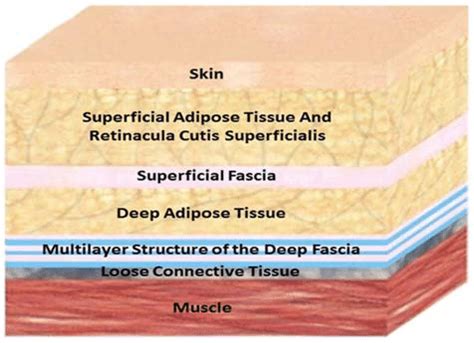
The concept behind fascia blasting is rooted in the idea of manipulating fascia, a connective tissue that envelops muscles, bones, and organs. Proponents suggest that by breaking up fascial adhesions, the appearance of cellulite can be improved. Fascia is a collagen-based connective tissue that plays a crucial role in bodily structure and movement. When healthy, it is flexible, allowing for smooth gliding between tissues. However, inflammation and trauma can lead to tightened fascia, potentially causing pain and contributing to conditions like myofascial pain syndrome, fibromyalgia, and lower back pain.
The connection between fascia and cellulite is a topic of ongoing discussion. Cellulite, characterized by a dimpled or lumpy skin texture, occurs when fat cells accumulate between fibrous connective bands that tether the skin to the underlying muscle. Some research suggests that individuals with cellulite may exhibit weakness in the dermis and connective tissues, including superficial fascia. However, the causes of cellulite are understood to be multifactorial and complex, requiring further investigation to confirm a definitive link with fascia.
What is Fascia Blasting?
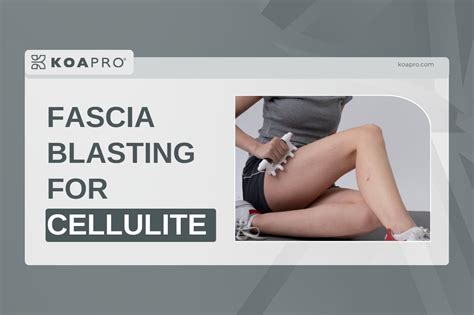
Fascia blasting is a technique that involves using a mechanical tool with ridges to break up fascial adhesions. It can be described as a more intense form of self-massage, where the tool is firmly rubbed over areas prone to cellulite. The FasciaBlaster, the most well-known tool, is a long stick with ridged attachments, designed to be massaged over the body. While other similar products exist, often termed "cellulite blasters" or "fascia massage sticks," the principle remains the same: to loosen the fascia through physical manipulation.
The process typically involves warming the body, either through a heating pad, hot shower, or light self-massage. An oil is then applied to the skin to allow the tool to glide smoothly. The FasciaBlaster is used in a scrubbing motion over the target areas for a few minutes each. Beginners are advised to start with shorter durations to assess their body's response. Post-treatment recommendations often include staying hydrated and potentially taking a cold shower to reduce swelling.
Potential Benefits of Fascia Blasting
The primary appeal of fascia blasting is its potential to decrease the appearance of cellulite. Beyond this, proponents suggest several other benefits:
- Improved lymphatic flow
- Enhanced circulation
- Relief from muscle tension
- Reduced muscle discomfort
- Breakdown of fat tissue for a smoother appearance
Additionally, fascia blasting can be a more accessible option for those seeking at-home treatments, with tool costs varying significantly.
Risks and Side Effects of Fascia Blasting
Despite anecdotal reports of positive outcomes, fascia blasting is associated with potential side effects. These may include:
- Bruising and discoloration
- Fatigue
- Muscle injury
- Discomfort and pain
- Temporary inflammation
- Nerve damage
In some instances, users have reported an increase in cellulite. One hypothesis suggests that fascia blasting might negatively affect the skin, leading to increased laxity and, consequently, more visible cellulite.
It is important to note that in 2017, several class action lawsuits were initiated against Ashley Black and associated companies, alleging various torts related to the FasciaBlaster device. These cases were later consolidated.
Does Fascia Blasting Really Work?
The scientific evidence supporting the efficacy of fascia blasting for cellulite reduction is limited. A small study from 2019, authored by the inventor of the FasciaBlaster, suggested a decrease in subcutaneous thigh fat and cellulite appearance after 12 weeks of use in 33 women. However, this study has been criticized for its methodology and potential bias. More robust and independent research is needed to validate these findings.
Some experts suggest that any perceived improvement might be due to inflammation and increased blood flow in the area, which can temporarily mask cellulite. A multifactorial approach, involving consultation with a medical professional, is recommended for cellulite treatment to ensure safety and effectiveness.
Alternatives to Fascia Blasting
For individuals seeking to address cellulite, several alternative treatments and methods are available:
Medical and Professional Treatments:
- Subcision: A minimally invasive procedure involving the loosening of small adhesions under the skin with a needle, often followed by filler injections to improve the area's appearance.
- Lymphatic Massage: Regular lymphatic massage can contribute to an overall reduction in cellulite appearance and is generally considered gentler than fascia blasting.
- Ultrasound Therapy: Utilizes sound waves to break down tissue and promote a smoother appearance. It may require multiple sessions and is often combined with other treatments.
- Lipomassage: A treatment using a handheld machine to knead and smooth the skin, with typically temporary results.
- Myofascial Release Therapy: A manual therapy performed by professionals to relieve fascial tightness.
At-Home and Lifestyle Approaches:
- Foam Rolling: Mimics some benefits of fascia blasters by releasing tension, stretching tissues, and reducing discomfort.
- Topical Products: Products containing ingredients like retinoids (e.g., retinol) and caffeine can help improve skin texture and reduce fluid in tissues. Moisturizers and bronzers can also temporarily minimize the appearance of cellulite.
- Stretching: Regular stretching can help manage fascia-related conditions.
- Posture and Body Alignment: Maintaining good posture can prevent fascia from tightening unnecessarily.
- Healthy Diet and Exercise: Fundamental for managing fat accumulation and overall skin health.
It is crucial to approach any cellulite treatment with realistic expectations and to consult with a dermatologist or physician to determine the most appropriate and safe options.