The Glytone KP Kit is a popular and often recommended set for managing keratosis pilaris (KP), a common skin condition characterized by rough, bumpy patches. This kit utilizes a two-step approach, combining a cleansing and hydrating regimen to smooth the skin's appearance and texture.
Why the Glytone KP Kit is Worth Considering
Beyond exfoliating lotions and scrubs, an effective body wash can significantly contribute to smoothing the look and feel of keratosis pilaris. The Glytone KP Kit stands out due to its comprehensive, two-step approach. Dr. Heidi Prather, a board-certified dermatologist, highlights the kit's combination of a glycolic acid-based body cleanser and a body lotion enriched with vitamin E for enhanced hydration. Dr. Caroline Robinson also expresses a favorable opinion of the Exfoliating Body Wash, noting its 8.8 free acid value of glycolic acid. This concentration is described as mild enough for sensitive skin yet effective for addressing dry, rough, bumpy, or flaky skin on the body.
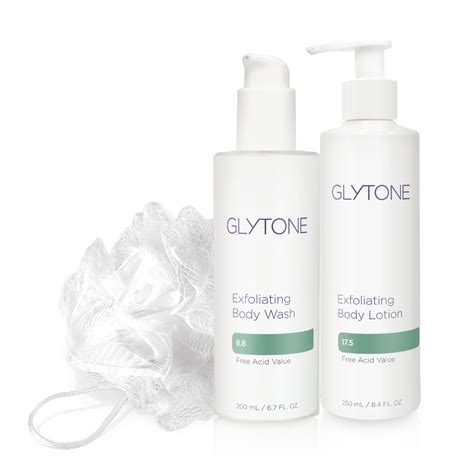
In addition to its efficacy for KP, Dr. Robinson mentions that the brightening formula of the wash can also help reduce hyperpigmentation. The kit's inclusion of a loofah for gentle scrubbing further enhances its value, offering a complete solution for KP management.
Key Ingredients and Features
- Key ingredients: Glycolic acid, vitamin E, glycerin
- Fragrance-free: Yes
Understanding Keratosis Pilaris (KP)
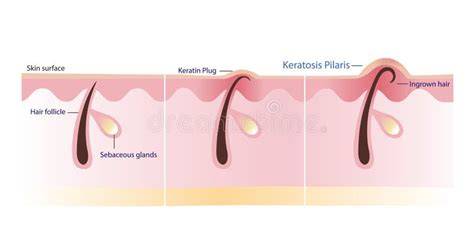
To effectively treat KP, it's important to understand its nature. According to Dr. Doris Day, a board-certified dermatologist, "Keratosis pilaris is a buildup of keratin-a hair protein-in the pores that clogs up and blocks the opening of growing hair follicles. As a result, small bumps form over where the hair should be."
Dr. Corey L. Hartman distinguishes KP from dark pores or 'strawberry legs,' explaining that the latter represent shaved dark hairs and keratin that turn dark upon exposure to oxygen. He adds, "So, if you run your hands over your skin and don't feel physical bumps, it's most likely not KP."
How to Treat Keratosis Pilaris
The treatment of KP shares similarities with acne management, emphasizing a dual approach of exfoliation and hydration. Dr. Prather explains that "treatment of KP responds best to a combination of exfoliation and hydration." Dr. Shari Sperling recommends alpha and beta hydroxy acids (AHAs and BHAs), stating, "When treating keratosis pilaris, it is important to look for products with lactic, salicylic, or glycolic acid to help smooth skin."
Dr. David Kim points out that KP often flares up during winter months, underscoring the importance of having a potent moisturizer on hand to combat dryness.
Can Keratosis Pilaris Be Permanently Eliminated?
While complete eradication can be challenging and depends on individual skin and management strategies, KP can often be managed effectively. Dr. Kim cautions that "KP is very difficult to treat and persists throughout adulthood." He notes that while ingredients like AHAs, lactic acid, ammonium lactate, urea, and vitamin A derivatives can help reduce bumpiness, they typically do not cure KP.
When to Consult a Dermatologist for KP
It's important to recognize that the effectiveness of products and treatments can vary among individuals. Dr. Prather advises, "There are many types of KP that may require a customized approach based on your presentation and symptoms. See your board-certified dermatologist for evaluation, diagnosis, and a customized treatment plan, including topical therapies and possible in-office laser treatments that can help improve the discoloration and rough texture from KP."
Expert Opinions and User Experiences
Dermatologists like Dr. Jenny Liu, Dr. Hadley King, Dr. Mamina Turegano, and Dr. Mona Gohara are among the experts in the field who contribute to the understanding and treatment of skin conditions like KP.
User reviews offer varied perspectives on the Glytone KP Kit:
- Some users praise the exfoliating properties of glycolic acid, noting its effectiveness in smoothing scaly patches, especially when used with a body brush.
- The kit is described as a great value, particularly for use in the fall after sun exposure.
- Consistency is highlighted as key, with some users reporting less bumps after regular use.
- However, some users found the cream difficult to blend.
- For individuals with sensitive skin, a less frequent application schedule (every other day or every couple of days) is recommended.
- One user reported that after just three uses, their daughter's KP became very dry and flaky, suggesting the product might be too strong for some.
- Another user experienced redness and itching, finding even weekly application too frequent, and the lotion stung their skin.
- Conversely, many users have seen significant improvements, with skin becoming almost clear in as little as a month when applied to arms and buttocks.
- Dramatic improvements have been reported after the first use, transforming very bumpy and dry skin to almost completely smooth overnight.
- Some users have experienced no noticeable change after a week of use on their arms.
- Others found the product highly effective, repurposing it solely for their feet to achieve smooth and moisturized results.
- Long-term sufferers of red bumps on their upper arms have found this kit to be the only solution that has rid them of the issue, also noting its benefits for body acne and skin softening.
- The set has been effective for both KP and "strawberry legs" for users who have used it consistently for two weeks, resulting in "crazy smooth" skin.
Put the POWER back in your SHOWER! Glytone's KP Kit | Palm Springs | Palm Desert
Dermatologist Consultation Regarding KP on the Back
In a customer-doctor chat, a user diagnosed with KP affecting their entire back, and who had been recommended the Glytone KP Kit by their dermatologist, inquired about its effectiveness in reducing discoloration caused by inflamed hair follicles. The user noted that the spots on their back were smooth, not rough or bumpy.
Dr. Cindy MD responded, explaining that the product contains glycolic acid, an exfoliant that helps break down the thick, dead skin layer. This process can minimize spots associated with KP and prevent new ones from forming, thus assisting in reducing the number of spots, regardless of whether they are rough or smooth.
A separate expert insight further clarifies that while KP primarily causes rough, bumpy skin, inflammation can lead to discoloration even when the skin feels smooth. Products like the Glytone KP Kit focus on exfoliation and smoothing, which may help with bumps but might be less effective for discoloration stemming from inflammation. Consistent moisturizing and gentle exfoliation are recommended for improving skin texture, and persistent discoloration may warrant dermatological treatments like laser therapy. Consulting a dermatologist for personalized care is always advisable.