Lip fillers have surged in popularity as a quick and effective way to enhance natural beauty. These minimally invasive treatments offer a safe and customizable solution for individuals seeking fuller, more defined lips.
What Are Lip Enhancements?
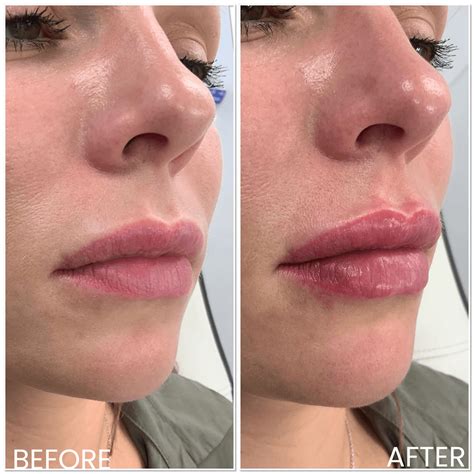
Lip enhancement encompasses a suite of procedures designed to add or restore volume to the lips and smooth vertical lines around the lips and mouth. While surgical options like lip implants exist, cosmetic surgeons increasingly favor minimally invasive treatments to achieve natural-looking results that can last for up to a year or longer. If you are bothered by the appearance of thin, lined, or asymmetrical lips, cosmetic treatments can address these concerns and help you feel more confident.
Cosmetic surgeons employ various approaches to improve lip appearance, ranging from temporary filler injections to lip implant surgery. Hyaluronic acid fillers, such as Juvéderm and Restylane products, are a popular non-surgical option, offering temporary lip enhancement at an affordable cost. When administered by an experienced provider, dermal fillers can last 4 to 12 months and achieve soft, natural-looking results. Side effects are typically mild and include temporary bruising, swelling, or redness at the injection site.
There are a number of dermal filler brands to choose from for lip augmentation. Autologous fat injections, also called fat grafting, use fat from another part of your body as a lip filler. Fat grafting typically involves liposuction surgery on a different area of the body, and the procedure can be done without incisions on the face or lips. Fat injections should only be performed by a qualified cosmetic surgeon with specialized training in fat transfer procedures. Lip implants can achieve a semi-permanent lip enhancement for those desiring a more lasting solution with minimal maintenance.
Lip filler adds volume, enhances definition, and boosts hydration for smoother lips. Experience sets us apart. Our licensed, skilled clinicians are among the top 1% of Juvéderm providers nationwide, and our team works with Restylane, Revance, and other brands of filler. In fact, we have one of the largest selections of fillers, with over 19 different formulas, which allows us to customize your lip filler treatment to your unique needs for exceptional, natural-looking results.
Understanding Dermal Fillers
Dermal fillers used in lip enhancement are made from hyaluronic acid (HA), a naturally occurring substance in your body that helps keep skin plump and hydrated. These soft, gel-like substances are carefully injected into specific areas of the lips to:
- Add volume.
- Enhance shape.
- Address asymmetry.
The treatment is temporary, as your body gradually metabolizes the hyaluronic acid over time. If you do not like the results, these temporary fillers are reversible with hyaluronidase, an enzyme that breaks down hyaluronic acid.
Lip filler is an injectable treatment that uses synthetic hyaluronic acid-a moisturizing humectant that exists naturally in your skin-to add volume, smooth lines, and balance the shape of your lips. Lip filler temporarily volumizes the lips but does not permanently stretch the skin. Over time, as your filler dissolves, the skin’s natural elasticity usually allows it to retract. However, excessive or frequent injections may lead to some skin laxity. It’s essential to use the right product, volume, and injection technique to achieve a natural-looking result with lip fillers. Our clinicians have the experience and artistry to deliver plump, natural-looking lips. We also offer one of the largest selections of filler brands and types to best suit your unique needs.
The lips may look different from the rest of the body, but they are actually a thinner, more delicate type of skin. The same way skin wrinkles over time, the lips slowly lose their pillowy appearance as they produce less collagen. The most common procedure is a temporary cosmetic injectable. These dermal fillers are gel-like substances that are injected into the lips to create volume. Juvéderm and Restylane, two common brands of dermal fillers, are generally well tolerated by patients because they are made of hyaluronic acid-a naturally occurring substance in the body. If you are seeking a permanent solution, a plastic or silicone implant can be used to plump up the lips. A less popular implant choice is a fat implant. This permanent option involves taking tissue from the belly or thigh and injecting it into the lip. Keep in mind that fat implants are typically not a standalone procedure. If your goal is to define your lip shape, a lip lift is an appropriate option. This technique is used to emphasize the border of the lip, giving it a tighter and more defined shape. Your surgeon should work closely with you to select the procedure that best meets your needs.
Most lip fillers are made from a synthetic form of hyaluronic acid (HA), which occurs naturally in the body. The filler comes in gel form; when injected into lips, it increases their size and creates a more youthful appearance. Lip fillers made from bovine (cow) collagen were also available in past decades. However, since collagen lip fillers don’t provide much volume - and don’t last very long - most medical professionals don’t offer them anymore. There are also surgical procedures to enhance lips, such as fat grafting and lip implants; however, these are much less common than HA fillers.
Types of Lip Fillers and Brands
There are various types of lip fillers available, with hyaluronic acid (HA) fillers being the most popular due to their safety, effectiveness, and reversibility. Some common brands include:
Juvéderm
Juvéderm offers several different lip fillers. Juvéderm Volbella is good for adding subtle volume and reducing the appearance of vertical lines above the lips. Juvéderm Vollure can be used for natural-looking volume as well. Juvéderm Ultra XC is for those who want a more dramatic and longer-lasting change in their lips.
Restylane
Restylane offers many types of dermal fillers, including lip fillers. Restylane-L is suitable for injection in many areas on the face, including the lips, and contains lidocaine, so the injection doesn’t hurt as much. Restylane Kysse, specifically for lips, can add fullness, improve color, and create a natural-looking result. Restylane Silk can provide volume and fill in fine lines and wrinkles around the mouth.
Belotero
Belotero has several lip fillers with varying indications. Belotero Balance is suitable for moderate lines around the lips.
Other options include autologous fat injections (fat grafting), where fat is taken from another part of your body and injected into the lips. Lip implants, made of plastic or silicone, offer a more permanent solution.
The Lip Filler Procedure
Before the Procedure
The Food and Drug Administration (FDA) has not approved the use of lip fillers in individuals under the age of 21. Therefore, you must be at least 21 years old to receive FDA-approved lip fillers. Before your lip filler procedure, you will meet with your healthcare provider. They will assess various factors, including your mental health and any social conditions. Your healthcare provider may ask questions such as:
- Why do you want lip fillers?
- What are your expectations?
- Do you think a lot about imagined or very small defects with your body?
- Is a spouse, partner, or friend encouraging you to get lip fillers?
Your physical health and the shape of your face are also important. Your healthcare provider will evaluate your general health, including any preexisting health conditions or risk factors. Talk to your healthcare provider about any allergies you have, too. And tell them about any prescription or over-the-counter (OTC) medications that you’re taking, including herbal supplements.
Your healthcare provider will examine and measure your face. They will also take photographs of your face and lips for your medical record. When considering the size of your lips, it’s important to imagine how you’ll look. Think about getting a new haircut. You may show your hairstylist a photograph to give them an idea of how you’d like your hair to look. However, your hairstylist might tell you that your hair won’t look like the photograph because of your hair texture, hairline, volume, or length. You may want your lips to look like a celebrity’s lips, but it might not be achievable because your face shape and features are unique. Ask your healthcare provider if bringing in a picture is helpful. But be prepared to thoroughly describe what you want your lips to look like if your healthcare provider doesn’t want to reference a photograph.
Your lip-filler journey should begin well before you sit in a provider’s chair. Patients should research and book a consultation with an experienced aesthetic injector. A trained injector can determine if a patient is a good candidate for filler and whether they have indicators that could make lip filler unsafe or inappropriate due to their health history. Even though you may see ‘perfectly pouted’ lips on social media, lip filler results are often dependent on the patient’s age and anatomy. It may take several sessions to achieve a fuller lip, depending on your aesthetic goals.
When getting lip filler:
- Avoid blood-thinning substances that increase bruising risk, such as: NSAIDs, Aspirin, Fish oil, Alcohol, Excessive caffeine.
- Stay well-hydrated before and after the appointment.
- Consider using arnica or bromelain supplements prior to and after your appointment to minimize bruising and swelling.
- Plan around major events, allowing time for potential swelling and bruising to subside.
During the Procedure
During a lip filler procedure, your healthcare provider will apply a topical anesthetic to your lips. The topical anesthetic will numb your lips so you won’t feel any pain and the process is as comfortable as possible. The numbing creams often consist of benzocaine, lidocaine, and tetracaine (BLT). About 15 to 30 minutes later, your lips should be numb. If you have a BLT allergy, your healthcare provider may give you a nerve block injection to numb your lips. About 15 to 30 minutes after the injection, your lips should be numb.
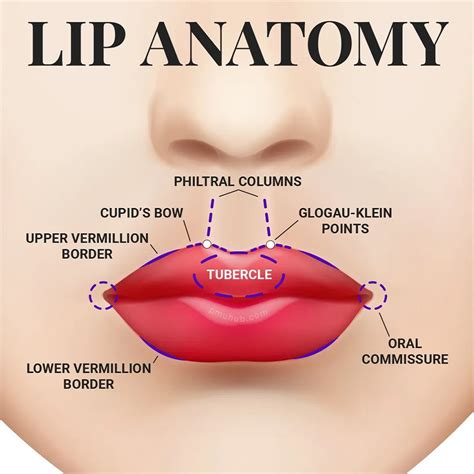
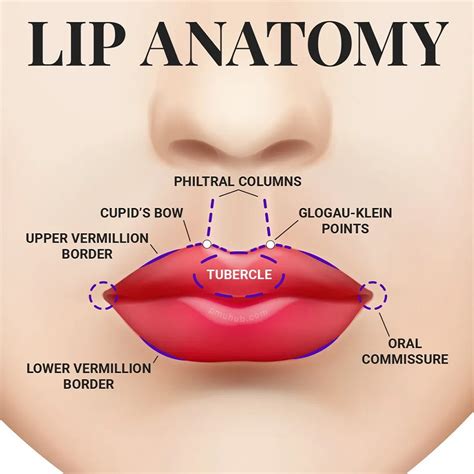
Your healthcare provider will then use a thin needle to inject lip filler into any or all parts of your lips, including the edges of your lips (vermillion border), the curve in the center of your upper lip (Cupid’s bow), and your oral commissures (corners of your mouth). You won’t feel any pain, but you may feel a pinching sensation, and your eyes may water. On average, your healthcare provider will insert 1 milliliter (mL) of lip filler into your lips, which is about one-fifth of a teaspoon. The needle won’t go deeper than 2.5 millimeters (mm) into your skin.
Your healthcare provider may apply an ice pack to your lips throughout the procedure to minimize swelling and bruising. The entire procedure may take as little as 30 minutes or as long as two hours.
To begin, your doctor may apply a numbing agent with a needle or topical to minimize discomfort. Then, they will mark the target areas of your lips and carefully inject the filler. The area that is injected depends on the look you are trying to achieve; for general augmentation, it will likely be the thickest part of your lips (known as the vermilion).
After the Procedure
After the procedure is complete, your healthcare provider may gently massage your lips so that they absorb the filler. They may continue to ice your lips as well. Your healthcare provider will monitor you for up to 15 minutes to ensure you don’t experience any side effects, including dizziness, nausea, or substantial bleeding. Once they determine that you no longer require monitoring, they’ll let you go home (discharge you). A local anesthetic won’t make you tired or groggy, so you can drive yourself home. However, you may want to have a family member or friend drive you home just in case.
Your lips may be swollen, sensitive, and bruised. Swelling usually goes away after 24 to 48 hours, but it may take up to a week. Your healthcare provider will also schedule a follow-up appointment about two weeks after the procedure to monitor your lips.
The first 48 hours after filler:
In the two days following your lip filler injection, you should:
- Avoid makeup for 24 hours to reduce infection risk.
- Skip strenuous exercise for 24 to 48 hours to prevent increased blood flow and bruising.
- Expect some initial swelling and possible bruising.
- Not be alarmed if you feel small bumps near the injection site. However, they should not be visible.
Two-week recovery period:
It can take two weeks for lips to heal and settle. During this time, you should avoid excessive pursing of your lips, as it can lead to migration of the lip filler product. It is recommended that you:
- Don't use straws.
- Avoid smoking and vaping.
- See your provider for a follow-up appointment at the end of your two-week recovery period to assess your results.
It’s important to remain patient over the course of your recovery period. During this time, the filler’s hyaluronic acid will pull water into your tissue to soften the filler product. This helps create a more natural look and feel.
Avoid alcohol, aspirin, and other blood-thinning medications for at least 24 hours before your treatment to minimize bruising. Most clients describe the sensation as a slight pinch or pressure. Refrain from makeup for 48 hours.
After Lip Filler Injections: What to Expect & How to Care for Your New #LipFiller
Important Medical Considerations
There are two important medical factors to discuss with your provider:
- Dental Procedures: If you recently had a dental procedure or have an upcoming one, these should be avoided for a month prior to and after lip filler due to the risk of infection.
- History of Cold Sores: Patients who currently have a cold sore outbreak should not have dermal filler. If you have a history of herpes simplex virus type 1 (HSV-1), you can take a prophylactic antiviral prior to injection.
You should NOT get lip filler if you:
- Have an active infection near the injection site.
- Have a known allergy or sensitivity to any of the ingredients in the filler (including lidocaine, if the filler includes it).
Potential Risks and Side Effects
Though overwhelmingly safe for most people, HA lip filler injections carry some minor risks. Lip filler procedures also carry the risk of other side effects including:
- Bruising, swelling, or bleeding near the injection site.
- Lip asymmetry (where one lip is larger than the other).
- Lumps in the lips.
- Scarring or ulceration of the lip.
- Allergic reactions (swelling, itchy sensations, or redness around the lips).
If you experience any of these side effects, contact your dermatologist immediately. You can minimize side effects by ensuring you only get injections from a healthcare provider with experience performing filler procedures. You should avoid any place that advertises “needle-free” fillers; these devices use intense pressure to inject filler into the face and often cause injuries. Needle-free fillers have been associated with scarring, necrosis (tissue death), blocked blood vessels, infection, and more.
Watch for complications. While lip fillers are common, being aware of potential complications is important. Promptly reach out to your provider if you:
- Experience increased pain.
- Have a bruise that is worsening.
- Notice discoloration of the lips or skin around the lips.
While complications are rare, they must be promptly addressed. These include vascular occlusion - blockage of a blood vessel - which can be reversed with hyaluronidase.
Debunking Lip Filler Myths
While there’s plenty to be cautious about when considering a lip filler procedure, some warnings are overhyped or simply false. Here are three common myths and their truths:
Myth #1: Lip filler will make my lips look puffy and fake.
Truth: Not necessarily. While we’ve all seen the “duck lips” look on certain celebrities, most patients experience excellent results from lip filler procedures. Most results are so natural that it’s tough to tell who’s had filler and who hasn’t! Working with a healthcare provider with lots of lip filler experience is critical. Before the procedure, tell them you’re looking for a subtle, natural result - and odds are, you’ll walk out happy.
Myth #2: Lip filler requires frequent touch-ups.
Truth: There are no permanent hyaluronic acid lip fillers. However, for standard treatments, you shouldn’t need to go back to your doctor much more than twice a year for touch-ups. For instance, Juvederm Volbella and Ultra XC can last up to a year, while Restylane Silk can be effective for up to six months. Everyone’s metabolism is different, however, and your results may not last quite that long. But lip filler shouldn’t be a monthly chore.
Myth #3: Lip filler will permanently stretch my lips.
Truth: HA lip filler injections should not have any long-term effect on your lips if appropriately performed. Hyaluronic acid naturally occurs in the body and will be slowly absorbed in the months following your procedure, resulting in the same lips you had before. In the unlikely case that you aren’t happy with the results, your doctor can reverse them by injecting hyaluronidase, an enzyme that breaks down HA.
Long-Term Results and Maintenance
Results typically last six to 12 months after the first treatment, depending on individual factors, the chosen filler, and the amount used. Touch-up appointments can be scheduled at that time to maintain desired results. With proper preparation and aftercare, lip fillers can provide beautiful, natural-looking results that enhance your appearance while maintaining safety.
If you’re unhappy with your filler results, consult with your clinician. Fillers can be adjusted or even dissolved. Patience and communication can often lead to the best outcomes.