Moisturizer applied to the legs and arms keeps skin feeling baby soft, while moisturizer on the hands and feet helps prevent cracking. On the face, moisturizer can help ward off dreaded wrinkles. Similarly, thin, dry vaginal and vulvar tissues can significantly impact a woman's comfort and quality of life, affecting an estimated 40% of postmenopausal women. However, vaginal dryness is not exclusive to midlife or older women.
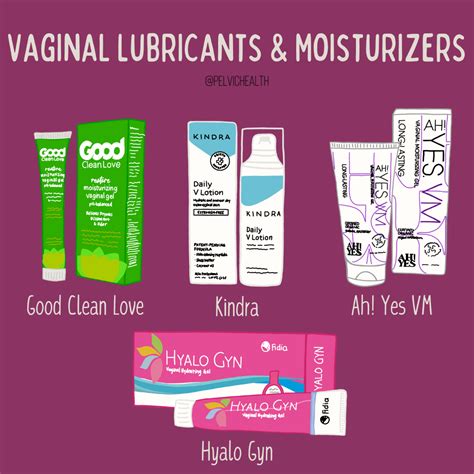
While a suitable vaginal lubricant is an essential component for improving sexual comfort, it's important to distinguish its function from that of a vaginal moisturizer. Lubricants are designed for immediate use during intercourse to reduce friction, effectively transforming "sandpaper sex" into a more slippery experience. However, they do not address the underlying cause of vaginal dryness. Many water-based lubricants can be gloppy, sticky, and contain preservatives like propylene glycol, which may cause irritation.
To address the everyday moisture needs of the vagina, a long-acting vaginal moisturizer can be beneficial. These products work by changing the water content of the vaginal tissue, leading to tissues that are more elastic, thicker, and better able to produce natural lubrication. This, in turn, reduces friction and enhances comfort.
In some cases, particularly due to the effects of menopause, vaginal walls can become so thin and dry that only estrogen therapy can fully reverse these changes and make intercourse comfortable. For many women, however, incorporating a vaginal moisturizer into their regular routine one to two times a week can provide the necessary solution for everyday comfort and a more satisfying sex life.
The Big Picture: Vaginal Dryness and Its Prevalence
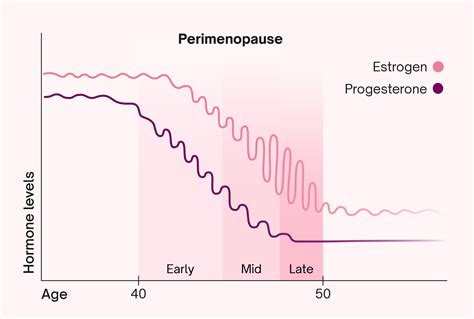
If you are seeking the best vaginal moisturizer, especially if you are over 40, you may be experiencing vaginal dryness that seems to have appeared suddenly. Fluctuations and declines in estrogen levels during perimenopause and menopause can lead to unexpected shifts in vaginal health, often catching women off guard. Vaginal dryness is a common issue, particularly prevalent in perimenopause, and becomes increasingly common after age 50. This dryness can cause painful sex, and even mild physical activity can trigger uncomfortable symptoms.
Vaginal dryness rarely resolves on its own but is highly treatable. A variety of over-the-counter (OTC) vaginal moisturizers and lubricants, as well as prescription options, are available to alleviate symptoms. It is crucial to understand that not all products are suitable for every individual or situation. This guide aims to provide insight into vaginal dryness and assist you in selecting the most appropriate vaginal moisturizer.
Understanding the Causes of Vaginal Dryness
For women experiencing vaginal dryness, a more descriptive term might be "sandpaper vagina," accompanied by sensations of itching, burning, stinging, and outright pain. Vaginal dryness is exceptionally common among women over 50, and understanding the reasons behind these "desert-like" conditions is helpful. The primary cause is the decline in estrogen, a hormone that plays a crucial role in maintaining vaginal tissue hydration, suppleness, and elasticity. During perimenopause, as estrogen levels begin to drop, the vaginal walls and vulvar tissues progressively become drier and thinner, leading to irritation and inflammation. This dryness can even result in minor bleeding from microtears caused by friction.
By the time a woman reaches menopause, these symptoms can be fully present, affecting not only the vagina (the canal connecting the cervix to the opening) but, for some, the vulva (the external genital area) as well. While this is a natural progression, it does not mean you have to endure this discomfort. Safe and effective non-prescription products are available to combat dryness, enabling you to engage in activities you enjoy-whether it's a fitness class, a social outing, or sexual intimacy-without pain, burning, or persistent itching.
Vaginal Moisturizers vs. Vaginal Lubricants: Knowing the Difference
There are two main categories of OTC products for vaginal dryness: moisturizers and lubricants. Understanding their distinct functions is key to effective management.
Vaginal Moisturizers
- Function: These are long-acting products designed to increase moisture and suppleness within the vaginal tissue, thereby reducing inflammation and pain.
- Application: Vaginal moisturizers require regular use, typically applied every few days. It may take a week or longer to notice significant relief.
- Forms: They are available in various forms, including suppositories (tablets), gels, and creams.
Vaginal Lubricants
- Function: Lubricants are intended for use immediately before sexual activity to make intimacy less painful and more pleasurable.
- Application: These gels or liquids remain on the surface of the skin, reducing friction during intercourse or masturbation. They are not absorbed into the tissue in the same way moisturizers are.
- Effect: Lubricants ensure that any touch or friction results in comfort rather than pain.
It is perfectly acceptable to use a moisturizer and a lubricant within hours of each other, as they serve different purposes and do not counteract each other's effects. However, to maximize absorption, it is advisable to space their application slightly, as the friction and movement during sex can diminish a moisturizer's absorption into the tissues.
How Moisturizers Work and What Constitutes "Best"
Vaginal moisturizers introduce fluid and hydrating ingredients that adhere to the vaginal mucosa, the inner lining of the vagina, and stimulate natural moisture production. They not only provide hydration but also help the cells retain moisture over time. The most effective moisturizers are formulated to support the vaginal environment in two critical ways:
Maintaining Healthy pH Levels
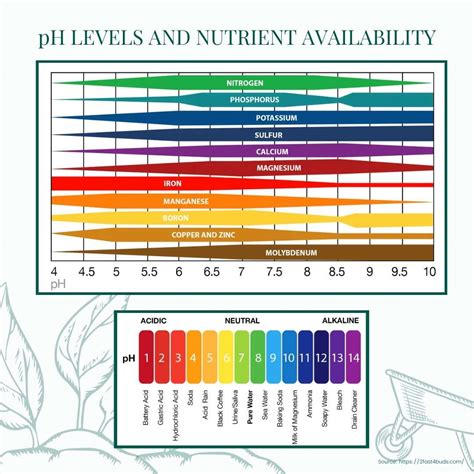
A healthy vaginal environment is slightly acidic, with pH values typically ranging between 3.5 and 4.5. Deviations from this range, often caused by irritants like spermicides or certain medications like antibiotics, can disrupt the balance and increase the risk of bacterial infections. Therefore, maintaining an appropriate pH is crucial for vaginal health.
Balancing Osmolality
Osmolality refers to the concentration of ingredients in a product. A low or balanced osmolality is desirable because high-osmolality moisturizers can actually draw fluid out of the vaginal tissues. This can damage the delicate cells of the vagina and heighten the risk of infection. The ideal osmolality for vaginal moisturizers is 380 milliosmoles per kilogram (mOsm/kg) or lower, although values up to 1,200 mOsm/kg may be acceptable for short-term use.
Ingredient Guide: What to Look For and What to Avoid
The effectiveness and safety of a vaginal moisturizer largely depend on its ingredients. Understanding which components are beneficial and which should be avoided is essential.
Green Light: Beneficial Ingredients
- Hyaluronic Acid: This ingredient is highly effective due to its ability to attract and hold water, facilitating its delivery into cells. Research indicates that vaginal moisturizers containing hyaluronic acid significantly improve thinning, dryness, and inflammation of vaginal tissues.
- Polycarbophil: This ingredient adheres to vaginal tissue and mucus, helping to lock in moisture. It enhances tissue suppleness and elasticity over time and is considered as effective as hyaluronic acid. Note that products typically contain either hyaluronic acid or polycarbophil, not both.
Yellow Light: Ingredients with a Caveat
- Glycerin: A humectant that draws moisture into the tissue to prevent water loss. While generally considered nonirritating, it can potentially promote yeast infections in susceptible individuals, as it can serve as a food source for microbes.
Red Light: Ingredients to Avoid
- Parabens: These preservatives can be toxic to genital skin and may act as endocrine disruptors, potentially interfering with hormone balance. Avoid products containing methylparaben or propylparaben.
- Phthalates: Also endocrine disruptors, phthalates may not always be listed directly in the ingredients. Opt for products labeled "phthalate-free" or "fragrance-free."
- Fragrance: Often contains phthalates and other chemicals that can irritate sensitive vaginal skin.
- Essential Oils: While beneficial for aromatherapy, essential oils can cause burning and irritation when applied to vaginal tissues.
For individuals with sensitive skin, performing a patch test on a small area of skin before applying any moisturizer or lubricant to the entire vaginal area is recommended.
How to Use a Vaginal Moisturizer: A Step-by-Step Guide
Following proper application techniques can help maximize the soothing benefits of a vaginal moisturizer.
1. Find a Type That Works for You
Vaginal moisturizers are available in different forms, each with its own advantages:
- Suppositories: These solid tablets are inserted into the vagina and melt due to body warmth. It is advisable to remain horizontal after insertion, ideally before bedtime, as they may leak more easily than gels and creams.
- Creams and Gels: These can be applied manually or with a reusable applicator. They are convenient for application to the external genitalia and can be used during the day as well as at night.
2. Make It a Habit
Consistency is key, as it takes time for the hydrating ingredients to build up in the tissues and stimulate the body's natural moisture production. Most products recommend application two to three times per week, depending on the product's formulation and duration of action.
3. Layering is Allowed
Using a moisturizer and a lubricant within a few hours of each other is acceptable, as they serve distinct purposes. However, to optimize absorption, spacing their application slightly is beneficial.
Additional Tips for Using Vaginal Moisturizers:
- Start with clean hands: This helps prevent the introduction of bacteria into the vaginal area.
- Use a little lube if needed: If insertion is uncomfortable due to dryness or irritation, a small amount of lubricant on the applicator tip or your fingers can facilitate easier insertion.
Dr. Wolff’s V-san Moisturising Cream – Clinically Proven Relief Against Vaginal Dryness
Medical Options When Non-Hormonal Treatments Are Insufficient
For mild to moderate symptoms of vaginal dryness, over-the-counter products often provide significant relief. However, for more severe symptoms, particularly those associated with genitourinary syndrome of menopause (GSM), which includes urinary tract symptoms like recurrent UTIs and burning during urination, prescription treatments may be necessary.
The vulva and vagina deserve the same level of care as the rest of the body, ensuring comfort during sitting, movement, and sexual activity. Hyaluronic acid, a substance naturally produced by the body, is approved for preventing and treating vulva and vaginal dryness. Investing in vital women's health research supports advancements in this area.
Products formulated by menopause-certified doctors and co-developed with specialists in genitourinary and sexual health offer targeted solutions. For those seeking effective management of vulva and vaginal dryness, options are available that prioritize comfort and well-being.
Best Vaginal Lubricant for Menopausal Women (Lube 101)
Pain during intercourse, medically termed dyspareunia, affects a significant number of women over 40. While various factors can contribute to painful sex, vaginal dryness and tissue thinning due to declining estrogen are primary culprits. Additionally, the natural arousal fluid-secreting glands may slow down during mid-life. Vaginal lubricants can effectively mimic natural arousal fluids and protect delicate tissues during sexual activity.
Types of Lubricants:
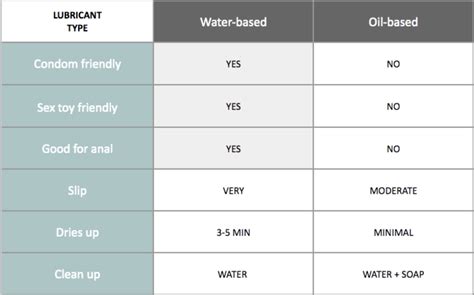
- Water-Based Lubricants:
- Pros: Often described as feeling most similar to natural lubrication. Compatible with latex and non-latex condoms and all types of sex toys, including silicone ones.
- Cons: May dry out more quickly, requiring frequent reapplication. Some can have high osmolality, potentially causing a drying effect. Look for products with osmolality below 1,200 mOsm/kg.
- Silicone-Based Lubricants:
- Pros: Offer longer-lasting lubrication. Generally recognized as safe and unlikely to cause irritation. Compatible with condoms.
- Cons: May stain fabrics and can feel sticky to some users. Not recommended for use with silicone sex toys, as it can degrade the material.
- Oil-Based Lubricants:
- Pros: Some natural oils like coconut or almond oil can be nonirritating (perform a patch test first). Their thicker consistency may provide longer-lasting lubrication.
- Cons: Can irritate skin and degrade latex condoms, increasing the risk of breakage. May also promote the growth of yeast, leading to infections.
Lubricant Ingredients to Look For and Skip:
Lubricants should meet similar health standards as vaginal moisturizers:
- A pH between 3.5 and 4.5.
- Osmolality below 1,200 mOsm/kg (ideally 380 mOsm/kg).
- Absence of fragrance, parabens, or phthalates.
- Avoid "warming" or "tingling" features, as ingredients like capsaicin can irritate inflamed tissue.
tags: #feel #amazing #moisturizer