In recent times, rice water has surged in popularity across social media platforms as a sought-after beauty innovation for skin. This ancient ingredient has a long-standing tradition in Asia, cherished for its skincare and haircare properties. Historical accounts suggest that women in China, Korea, and Japan utilized rice water concoctions as far back as 2,000 years ago to achieve porcelain-like skin and lustrous hair.
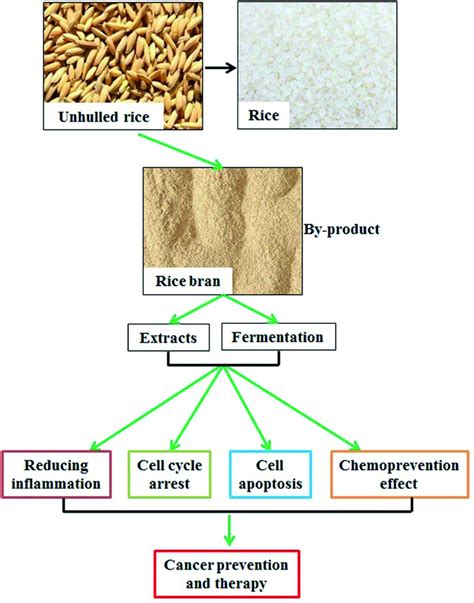
Scientific analysis lends credence to the belief that rice benefits the skin. A recent scientific review indicates that "ingredients isolated from rice and its components have wide potential for use in skin care and cosmetic products." The report, summarizing various research findings, identified several key components within rice, including phenolic compounds, betaine, squalene, tricin, and rice bran. These rice-derived ingredients have demonstrated potential as anti-aging, anti-inflammatory, skin-whitening, photoprotective, and moisturizing agents.
Research further suggests that these rice-derived ingredients may offer benefits for a range of dermatological conditions. For instance, "rice bran ash extract increases melanin synthesis and offers protection from radiation and skin injury," while "fermented rice bran extract and rice bran broth baths have shown utility in atopic dermatitis treatments."
Consequently, applying rice-derived ingredients like rice water to the skin can yield noticeable benefits. Users may observe a mattifying effect that refines the appearance of pores, alongside gentle exfoliating qualities. Furthermore, rice water serves as an accessible and cost-effective DIY home treatment, free from artificial chemicals.
Choosing the Right Rice for Rice Water
When preparing rice water for skincare, the type of rice used can be a significant factor. Dermatologists advise that most commercially available rice is polished and refined, potentially lacking its natural nutrient content. Therefore, it is recommended to opt for raw, unprocessed rice, such as organic brown rice, for homemade rice water. As explained, "Theoretically, rice fermentation can release a certain amount of vitamins, but only in the case where ‘common’ rice is not used. Common rice is usually refined and lacking nutrients-which does not guarantee a beneficial release to the epidermis."
Crafting Rice Water for Skincare
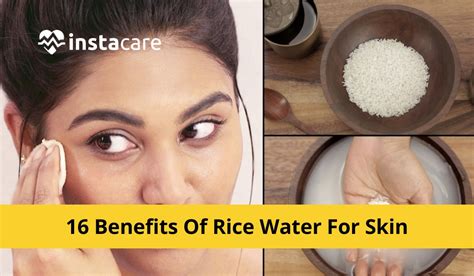
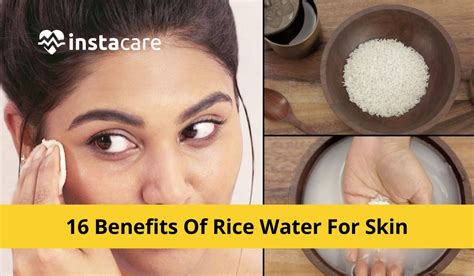
The appeal of rice water extends beyond its perceived results to its simplicity. While specific recipes may vary, the general method involves soaking uncooked rice in cold water, followed by straining the rice to collect the milky water. This liquid can then be applied as a toner or used in a face mask. One popular method involves rinsing the rice multiple times, soaking it for approximately four hours, and then storing the resulting water in the refrigerator. For application, cotton pads can be soaked in the rice water for gentle exfoliating cleansing.
Rice Water as a Face Mask
The versatility of rice water allows it to be used in creating homemade sheet masks. The recent surge in interest surrounding fermented rice water in the skincare industry highlights its growing recognition. Japanese skincare traditions have long incorporated the benefits of fermented rice water for centuries, viewing it as a potent skincare elixir derived from rice.
The Science Behind Fermented Rice Water
Fermented rice water undergoes a process where beneficial compounds are amplified, creating a rich mixture of amino acids, vitamins, minerals, and antioxidants. This potent liquid offers numerous advantages for the skin:
Rich in Antioxidants
Fermented rice water is abundant in antioxidants like ferulic acid and flavonoids. These compounds play a crucial role in combating free radicals, which are known to cause cellular damage and contribute to skin aging. By neutralizing these damaging molecules, fermented rice water helps in achieving a glowing and healthy complexion, akin to the "glass skin" aesthetic.
Anti-Aging Properties
While genetics and lifestyle influence skin aging, skincare routines can significantly impact its progression. Fermented rice water, with its rich antioxidant content and other bioactive compounds, is particularly effective in combating the signs of aging. It is believed to stimulate collagen production, enhance skin elasticity, and reduce the appearance of fine lines and wrinkles.
Brightens Skin Tone
For those struggling with dullness and uneven skin tone, fermented rice water can be a beneficial addition to their routine. It contains vitamins B and E, alongside amino acids, which work synergistically to brighten the complexion and promote a more uniform skin tone.
Diminishes Oily Skin
Fermented rice water can act as a hero ingredient for managing oily skin. Its natural enzymes help to effectively regulate sebum production, thereby reducing excess shine and potentially mitigating breakouts associated with oily skin.
The Fermentation Process and Its Advantages
Fermentation is a biochemical process where microorganisms convert complex organic compounds into simpler molecules. In the context of rice, this process transforms starches into beneficial bioactive compounds, enhancing both the nutritional and functional properties of the rice for skincare. The process typically involves selecting the appropriate rice variety, inoculating it with specific microbial strains, controlling fermentation conditions, and then extracting and purifying the active components.
Selection of Rice Variety
The choice of rice, including white, brown, red, black, or glutinous rice, influences the nutritional composition and efficacy of the final fermented rice product (RFP). Brown rice, for instance, is richer in vitamins, minerals, and antioxidants compared to white rice. While its fermentation may be slower, it yields a wider array of organic acids, amino acids, polyphenols, and peptides with potent antioxidant, anti-inflammatory, and anti-aging effects. Pigmented rice varieties, like red and black rice, are particularly rich in anthocyanins, which can boost the production of additional antioxidant compounds during fermentation.
Microorganisms in Fermentation
Different microorganisms contribute distinct characteristics and benefits to the final RFP. Commonly used in skincare applications are Lactobacillus (lactic acid bacteria), Saccharomyces cerevisiae (yeast), and Aspergillus species (fungi). Lactobacillus strains produce lactic acid, which lowers the pH, contributing to the formation of short-chain fatty acids and acting as a natural preservative. Saccharomyces cerevisiae secretes enzymes that break down proteins, starches, and fats into amino acids and peptides.
Controlled Fermentation Conditions
Key factors such as temperature, pH, and duration of fermentation are critical for optimizing microbial activity and maximizing the production of bioactive compounds. Initial processing of rice, including milling and soaking, improves the accessibility of nutrients, enhancing fermentation efficiency. Post-fermentation, extraction and purification techniques are employed to isolate and concentrate these valuable components for skincare formulations.
Key Bioactive Components in Fermented Rice Products (RFPs)
During fermentation, rice is broken down into various bioactive compounds, increasing their concentration and often altering their structure to enhance their biological activities. These include:
Amino Acids
Amino acids are essential for protein synthesis, tissue metabolism, growth, and repair. They are also hygroscopic, meaning they attract and retain water, contributing significantly to skin hydration. Fermentation breaks down rice proteins into smaller amino acids, such as glutamic acid, aspartic acid, alanine, lysine, glycine, γ-aminobutyric acid, and serine, which support skin hydration and barrier function. Certain amino acids, like glycine, proline, and hydroxyproline, are crucial for collagen synthesis, maintaining skin health, elasticity, and structural integrity.
Peptides
Peptides, short chains of amino acids, are vital components of RFPs. Their degradation from rice proteins during fermentation results in smaller molecules that can penetrate the skin barrier more effectively, enhancing bioavailability and potency. These peptides exhibit various skin-enhancing properties, including improved hydration, stimulated collagen production, and enhanced skin elasticity.
Organic Acids
Organic acids, such as lactic acid, are produced during fermentation. Lactic acid offers gentle exfoliation, aids in skin resurfacing, and helps maintain the skin's natural pH balance. This pH-balancing effect is crucial for supporting the skin's acid mantle, which protects against harmful microorganisms and environmental pollutants.
Polyphenols
Polyphenols are a diverse group of compounds found in rice that possess potent antioxidant and anti-inflammatory properties. Fermentation can increase the concentration and bioavailability of these compounds, further enhancing their ability to protect the skin from oxidative stress and inflammation.
Vitamins and Minerals
Rice is a natural source of various vitamins, including B vitamins and vitamin E, and essential minerals. Fermentation can further enhance the levels and bioavailability of these micronutrients, which play vital roles in skin health, repair, and protection.
Specific Applications and Innovations
Fermented rice extract has a rich history in beauty routines, particularly in East Asia, where it was observed to keep hands youthful and soft. Modern science has identified key components in rice, such as vitamin E, ferulic acid, and oryzanol, that contribute to its skincare benefits. Innovations like the F-Ishii extract, developed through microbial symbiosis with organic rice, exemplify the advanced application of fermented rice technology. This extract is noted for its ability to calm inflammation, enhance moisture retention through its rich amino acid content, promote skin resurfacing and renewal via acids like lactic and ferulic acid, and strengthen the skin barrier against environmental stressors.
Products incorporating F-Ishii extract, such as the F-Ishii Basic Lotion, Essence Lotion, and Gel Cream, are designed to hydrate, nourish, and protect the skin, offering a comprehensive approach to skin rejuvenation.
Rice water ALL the info you need IN ONE VIDEO
Preparation Methods for Rice Water
There are several ways to prepare rice water at home, all requiring thorough rinsing of the rice:
Boiling Rice Water
Rinse the rice and drain. Use approximately four times the amount of water as rice. Bring the mixture to a boil, then remove from heat. Press the rice to release beneficial chemicals, strain the rice, and refrigerate the water in an airtight container for up to a week. Dilute with plain water before use.
Soaking Rice Water
Soak uncooked rice in water for at least 30 minutes. Press the rice and strain it through a sieve. Refrigerate the rice water.
Fermented Rice Water
Use the soaking method, but instead of refrigerating immediately, leave the water at room temperature for one to two days until it develops a sour smell. Then, refrigerate. Dilute with plain water before use.
How to Use Rice Water
Rice water can be applied directly to the skin or hair. Essential oils can be added for fragrance. Dilution with plain water is recommended for boiled or fermented rice water.
- Hair Rinse: Apply rice water from roots to ends, leave for at least 10 minutes, then rinse.
- Facial Cleanser and Toner: Apply to a cotton ball and smooth over the face and neck as a toner, or massage into the skin as a cleanser. Rinse if desired.
- Face Mask: Use with a thick sheet of tissue paper soaked in rice water.
- Bath Soak: Add grated natural bar soap and vitamin E to rice water for a soothing soak.
- Body Scrub: Combine with sea salt, essential oil, and citrus for a natural exfoliant.
While some claims about rice water's benefits, such as its effectiveness in significantly lightening dark spots or treating eye problems, lack robust scientific evidence, its applications for sun damage protection, anti-aging, and soothing skin irritation are supported by research. Commercial products containing rice water extracts are also being developed, with some showing improved UVA/UVB protection when combined with other plant extracts.
Although drinking large quantities of rice water is not recommended due to potential arsenic content, topical application to the skin and hair may offer significant benefits.