French Bulldogs, known for their affectionate nature and distinctive appearance, are unfortunately predisposed to a variety of health issues, with skin allergies being a common concern. Their smooth, short coat and loose, wrinkled skin, while adorable, can also contribute to their susceptibility to allergens and subsequent skin irritations.

Understanding French Bulldog Skin Allergies
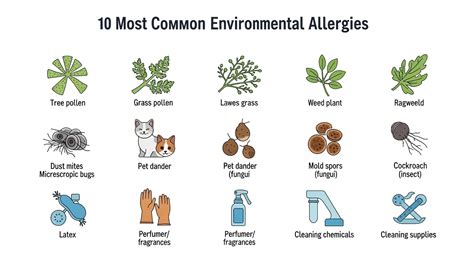
French Bulldogs have one of the highest genetic and environmental predispositions to developing canine atopic dermatitis (CAD), also known as environmental allergies or atopy. These allergies are a reaction to triggers like plant pollen, dust mites, and mold spores. Additionally, Frenchies can suffer from contact dermatitis, which occurs when their skin comes into direct contact with irritants such as certain plants, chemicals, or even grooming products. Flea allergy dermatitis is another significant concern, where a hypersensitivity to flea saliva can cause intense itching and irritation from a single bite.
While environmental and contact allergies are common, food-related intolerances and allergies can take more time and specific testing to diagnose. Typically, the main source of food allergies is an intolerance toward one or more animal proteins, such as chicken, beef, or pork, though other ingredients can also be culprits. These allergies can manifest as skin problems, including itching, redness, and rashes.
Signs of Skin Allergies in French Bulldogs
Recognizing the signs of skin allergies is crucial for timely intervention. Common symptoms include:
- Excessive Scratching, Licking, or Chewing: Dogs often focus on areas like the paws, armpits, belly, and rump.
- Bumps or Hives: Raised bumps resembling mosquito bites can appear on the skin.
- Hair Loss: Persistent scratching and chewing can lead to thinning of the coat or bald patches.
- Sores and Hot Spots: Inflamed, infected areas of the skin can develop due to irritation and secondary infections.
- Itchy Ears: Ear infections, characterized by redness, itching, and discharge (yellow, tan, or brown), are frequently linked to allergies.
It's important to note that allergy symptoms in dogs tend to worsen with age, unlike in humans where they might lessen. Therefore, early detection and consistent management are essential.
Common Causes of French Bulldog Skin Allergies
Several factors contribute to the prevalence of skin allergies in French Bulldogs:
1. Environmental Allergens
Pollen, dust mites, and mold spores are prevalent triggers for allergies in both dogs and humans, often leading to symptoms like seasonal scratching, inflamed skin, patches of fur loss, and watery eyes. These allergens are particularly problematic in urban environments and in regions with high year-round pollen and mold counts, such as South Florida.
2. Food Allergies
Certain proteins like chicken, beef, and pork, as well as grains, are common allergens. Symptoms can include chronic ear infections, diarrhea, and red, itchy skin. Identifying specific food triggers often requires a meticulous approach.
3. Flea Allergy Dermatitis (FAD)
Even a single flea bite can trigger a severe allergic reaction in sensitive dogs, leading to intense itching, inflammation, hair loss, sores, and potential infections if left untreated. Year-round flea prevention is vital.
4. Contact Allergies
Exposure to everyday products such as shampoos, fabrics, and cleaning supplies can cause contact dermatitis. Irritants can lead to redness and inflammation, often affecting the belly, paws, and neck. Using hypoallergenic products can help mitigate this risk.
5. Genetic Predisposition
French Bulldogs, along with other brachycephalic breeds like Pugs and Boston Terriers, are genetically predisposed to allergies. Their unique anatomy, including deep skin folds, narrow ear canals, and compact airways, can trap moisture, bacteria, and allergens, increasing their vulnerability to skin infections and chronic itching. These physical traits, while characteristic of the breed, necessitate vigilant care and monitoring.
COS - 202 - Brachycephalic Dog Breeds: How Can New Research Help Your Patient
Diagnosing and Treating French Bulldog Skin Allergies
Accurate diagnosis is the first step toward effective treatment. A veterinarian will conduct a thorough examination, paying close attention to the dog's skin and coat. Allergy testing, including intradermal skin testing (the most reliable method), blood tests, or hair and saliva tests, can help identify specific allergens.
It is crucial to rule out other conditions like parasites (fleas or mites) and infections, which can mimic allergy symptoms. If food allergies are suspected, an elimination diet trial is often recommended.
Dietary Management and Nutrition
For suspected food allergies, a veterinarian may recommend a novel protein, limited-ingredient hypoallergenic diet, or a hydrolyzed-protein diet. An elimination diet trial involves feeding your French Bulldog a new, single-ingredient food for approximately eight weeks, containing only single sources of animal protein, vegetable protein, and carbohydrate calories (e.g., rabbit and peas, fish and potato). During this period, all treats, table food, supplements, and flavored medications should be avoided. After the trial, the dog is slowly reintroduced to their regular food to identify triggers.
Switching to a fresh food diet with real ingredients can be beneficial. The heating process used in kibble production can diminish the nutritional value of ingredients. Diets rich in protein can provide essential amino acids. Additionally, fortifying the diet with Vitamin E, B Vitamins, Zinc, and omega-3 and omega-6 fatty acids found in fish oil can support skin health.

Medications and Topical Treatments
Veterinarians may prescribe various medications to manage allergy symptoms:
- Immune-Modulating Medications: Drugs like Zenrelia (ilunocitinib) and Apoquel (oclacitinib) are JAK inhibitors that block itch signals and reduce inflammation. These are typically for dogs over 12 months old.
- Monoclonal Antibody Injections: Cytopoint is an injection used to relieve itching associated with atopic dermatitis.
- Antibiotics and Antifungals: Used to treat secondary skin infections that can arise from scratching and irritation.
- Steroids: Medications such as prednisone can help reduce inflammation and suppress the immune system's overactive response.
- Antihistamines: While not always the most effective, they can provide some relief for certain cases of atopic dermatitis.
Topical treatments are also highly effective:
- Medicated Shampoos: Help manage various symptoms, including itching and inflammation.
- Topical Sprays and Mousses: Can aid in treating skin infections associated with allergies.
COS - 202 - Brachycephalic Dog Breeds: How Can New Research Help Your Patient
Preventative Measures and Ongoing Management
Consistent grooming is essential. This includes regular brushing to remove loose hairs and cleaning skin folds to prevent moisture buildup and infection. Providing a balanced and nutritious diet supports the overall immune system and skin health.
Year-round flea and tick prevention using veterinarian-approved products is non-negotiable. For environmental allergies, maintaining a clean living space, using allergy-proof bedding, and running an air purifier can help reduce exposure to triggers.
Probiotics for dogs can serve as an additional tool in managing allergies. Allergy immunotherapy (ASIT), administered through allergy shots, can help retrain the dog's immune system to become less reactive to specific allergens.
The Role of Technology in Allergy Management
Advanced technology, such as the Maven Pet wellness sensor, can play a significant role in proactive allergy management. These sensors can track detailed pet health data 24/7, including scratching frequency, activity levels, sleep disturbances, heart rate, and respiratory rate. This data can help owners and veterinarians detect allergies and other health issues early, enabling timely diagnosis and optimized treatment strategies. For instance, a sudden increase in scratching frequency detected by the sensor can prompt an earlier consultation, leading to quicker intervention and a better outcome for the pet.

By combining veterinary expertise with advanced monitoring tools, owners can significantly improve their French Bulldog's quality of life, ensuring they remain comfortable and free from the persistent discomfort of skin allergies.