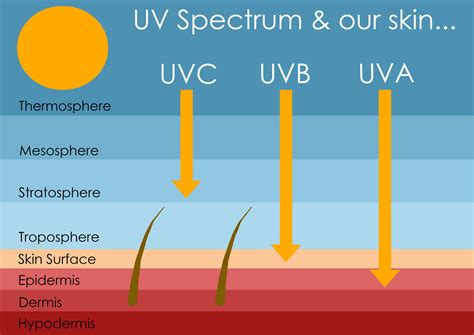
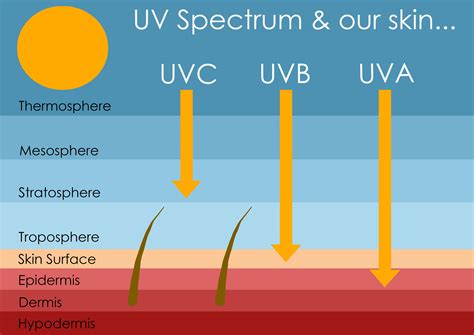
The Sun Protection Factor (SPF) is a crucial indicator of the sunburn protection a sunscreen product offers. All sunscreens undergo testing to determine the amount of ultraviolet (UV) radiation exposure required to cause sunburn with and without the product. UV radiation encompasses both UVA and UVB types. The product is then labeled with its corresponding SPF value. Sunscreens are available in a wide spectrum of SPFs, with higher values (up to 50) providing enhanced sunburn protection. Since SPF values are derived from tests measuring protection against sunburn, they primarily reflect a sunscreen's UVB protection. For optimal protection, it is recommended to choose a broad-spectrum sunscreen with an SPF of at least 15.
It is a common misconception that SPF relates directly to the duration of solar exposure. For instance, some incorrectly believe that if they typically get sunburned in one hour, an SPF 15 sunscreen allows them to remain in the sun for 15 hours without burning. This is not accurate, as SPF is not directly tied to time but rather to the amount of solar exposure. The intensity of solar exposure is influenced by numerous factors, including the time of day; the sun is stronger at midday than in the early morning or late evening, increasing the risk of sunburn. Solar intensity is also affected by geographic location, with greater intensity at lower latitudes. Consequently, individuals closer to the equator may experience more significant solar exposure than those farther away, even when spending the same amount of time in the sun.
Broad-spectrum sunscreens are designed to protect against both UVA and UVB radiation. It is important to verify this designation on the product label, as not all sunscreens offer this comprehensive protection. While a sunscreen's SPF value primarily indicates its UVB protection level, broad-spectrum formulations also shield against UVA radiation. It is essential to employ additional sun protection measures alongside broad-spectrum sunscreen when exposed to the sun. Sunscreen functions by creating a chemical barrier that absorbs or reflects UV radiation, thereby preventing skin damage.
Sunscreens that are not broad-spectrum or have an SPF below 15 are required to carry the following warning on their Drug Facts label: "Skin Cancer/Skin Aging Alert: Spending time in the sun increases your risk of skin cancer and early skin aging."
Addressing Common Misconceptions About Sunscreen
Concerns and misinformation surrounding sunscreen efficacy and safety are prevalent. Assertions range from claims of ineffectiveness to warnings of outright danger, with some suggesting that certain ingredients may even cause skin cancer. To clarify these points, experts emphasize the distinction between physical and chemical sunscreens. Physical blockers, containing zinc oxide or titanium dioxide, reflect ultraviolet rays. Chemical blockers absorb UV rays. While oxybenzone has faced scrutiny due to concerns about its potential to act as a hormone disruptor, conclusive evidence of harm to humans is lacking. Studies cited for these concerns typically involve high doses administered orally to rats, with the equivalent human exposure taking centuries of sunscreen use.
Furthermore, the notion that sunscreen use is associated with an increased risk of skin cancer is a misinterpretation of studies. This false association arises because individuals who used sunscreen were often also those who engaged in more sunbathing and traveled to sunnier climates. Despite these claims, extensive research confirms that sunscreen effectively protects against all three common types of skin cancer: squamous cell carcinoma, basal cell carcinoma, and melanoma. The degree of protection is directly proportional to the sunscreen's ability to mitigate UV radiation's role in skin cancer formation.
Regarding nanoparticles used in some physical sunscreens, they are created through micronization, a process that breaks down larger particles. This refinement often makes physical blockers easier to apply. The use of nanoparticles in physical blockers does not inherently make them harmful.
The recommendation for sunscreen use is for skin cancer prevention, including melanoma, supported by cohort studies and randomized trials. However, for individuals with darker skin, who have a very low risk of skin cancer, using sunscreen for prevention may not be deemed necessary. It is crucial to remember that sunscreen should be reapplied approximately every two hours and should not be the sole method of sun protection.
Vitamin D and Sunscreen Use
Sunscreen does block ultraviolet B (UVB) rays, which are essential for vitamin D synthesis in the skin. However, most individuals do not apply the recommended amount of sunscreen (about one shot glass full for the body and a teaspoon for the face), meaning they typically do not become vitamin D deficient. For those concerned about vitamin D levels, some experts suggest brief daily sun exposure (10-15 minutes) before applying sunscreen, though this is debated, as vitamin D can also be obtained from dietary sources and supplements.
The Importance of Daily Sunscreen Application
It is vital to understand that relying solely on sunscreen is insufficient for complete sun protection. While many instinctively apply sunscreen on beach days, its importance extends to everyday life. Whether indoors or outdoors, during any season, or on cloudy days, consistent sunscreen application is crucial for maintaining healthy skin.
Daily Sun Exposure: Beyond the Beach
Sunscreen is not just for recreational activities. Dermatologists emphasize that daily application is essential for everyone over six months of age. Even brief periods of sun exposure during daily routines, such as running errands or encountering friends, can lead to significant UV exposure. The intensity of the sun's rays can be deceptive, and unexpected longer durations outdoors can result in more sun exposure than anticipated.
Indoor Sun Protection
Even when spending most of the day indoors, sun protection remains important. Sunlight can penetrate windows and windshields, exposing the skin to harmful UV radiation. Additionally, artificial lighting, such as fluorescent lights in offices, can also emit some ultraviolet light, underscoring the need for daily sunscreen use.
Cloudy Days and Winter Months
Cloud cover does not significantly block the sun's harmful rays; approximately 80% of UV radiation can still penetrate clouds. Therefore, daily sun protection is necessary even on overcast days. The intensity of the sun can be easily underestimated on cloudy or breezy days, making vigilance crucial. Similarly, sun protection is required during winter months. Snow reflects UV rays, increasing exposure, and individuals at higher altitudes are closer to the sun, thus at greater risk. Sunscreen should be applied during winter activities, such as skiing.
Key Benefits of Daily Sunscreen Use
Maintaining Skin's Protective Barrier
Consistent daily sunscreen application helps strengthen the skin's natural protective barrier. It shields the skin from harmful UV rays, preventing sunburn and irritation, even during brief outdoor excursions. Furthermore, sun exposure can exacerbate certain skin conditions like rosacea, eczema, and acne. Sunscreen helps manage these conditions by preventing flare-ups.
Reducing the Risk of Skin Cancer
Using a high SPF sunscreen significantly reduces exposure to damaging UV rays, thereby lowering the risk of skin cancer. Sunscreen protects against UVB rays, a primary cause of sunburn and a major contributor to the development of skin cancers, including basal cell carcinoma, squamous cell carcinoma, and melanoma. As sun exposure increases the risk of all skin cancers, including melanoma, daily sunscreen use is a critical preventative measure.
Preventing Premature Aging
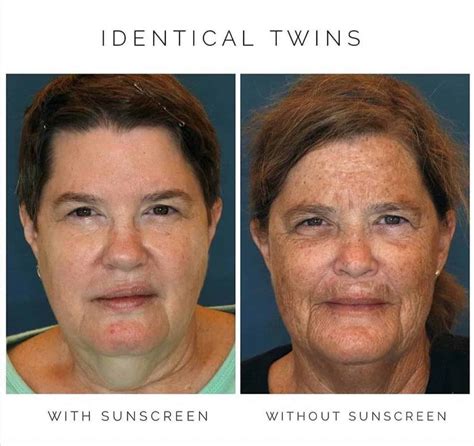
Protecting the skin from the sun is one of the most effective ways to combat premature aging. Sun exposure is a significant factor in the aged appearance of the skin. Studies have shown that daily use of broad-spectrum sunscreen can lead to noticeable improvements in skin appearance, reducing signs of aging such as wrinkles, brown spots, and irregular pigmentation.
Choosing the Right Sunscreen for Daily Use
For daily sun protection, dermatologists recommend a lightweight, mineral sunscreen with an SPF of at least 15, with SPF 30 being ideal for extra sunny days. Many daily moisturizers now include SPF, offering a convenient two-in-one solution. These formulations are often designed to be non-greasy and suitable for facial application. Makeup products with SPF can provide an additional layer of protection, but they may not offer sufficient coverage alone and should be supplemented with regular sunscreen, especially for areas like the ears and neck. Sunscreen should also be applied to all exposed body parts, including arms, legs, the back of the hands, and the tops of the feet, especially when wearing shorts or short sleeves. Some body lotions are formulated with SPF for convenient application.
The Skin Cancer Foundation advises that the best sunscreen is one that individuals will use consistently, provided it offers safe and effective broad-spectrum protection with an SPF of 30 or higher. Different SPFs cater to varying needs: SPF 30 is suitable for everyday, occasional exposure, while SPF 50 or higher is recommended for extended outdoor activities, high-intensity exercise, or outdoor work. Water-resistant sunscreens are available for swimming or intense exercise, but no sunscreen is waterproof and requires reapplication.
Active ingredients in sunscreen work either by absorbing UV radiation (chemical sunscreens) or by creating a physical barrier that reflects UV rays (mineral sunscreens like zinc oxide and titanium dioxide). While both types are tested for safety and efficacy, mineral sunscreens may be less likely to cause skin irritation.
Sunscreen Application and Reapplication
To ensure maximum protection, sunscreen should be applied generously, with approximately one ounce (a shot glass full) needed for the entire body. Most individuals apply less than half of this amount, significantly reducing the sunscreen's effectiveness. It is recommended to apply sunscreen 30 minutes before going outdoors to allow it to bind to the skin. Sunscreen's effectiveness lasts up to two hours, or less when swimming or sweating, necessitating reapplication at least every two hours or after such activities. Water-resistant products are effective for 40 or 80 minutes. Sunscreens do have expiration dates, and their effectiveness can diminish even before this date if exposed to heat and sunlight.
Experts recommend applying sunscreen to the entire body before dressing to ensure coverage even if clothing shifts. While crucial, sunscreen alone is not sufficient for comprehensive sun protection. It should be combined with protective clothing, hats, sunglasses, seeking shade, and avoiding direct sun exposure during peak hours.
How to Properly Apply Sunscreen to Your Body
The Broader Impact of Sunscreen Use
Year-round sunscreen use is a vital preventative health strategy. Even on cloudy days, UV rays can penetrate clouds and damage the skin, leading to accelerated aging and potentially deadly skin cancers. Regardless of skin tone, daily application is recommended to protect the skin and maintain its health and appearance. Sun damage is a gradual process, making daily sunscreen application essential for long-term skin health.
Sunscreen acts as a shield, protecting the skin from irreversible UV damage, wrinkles, and hyperpigmentation. It helps prevent skin conditions such as liver spots and actinic keratosis. Beyond its protective functions, sunscreen can also offer additional benefits, such as moisturization and the inclusion of beneficial ingredients like niacinamide and ceramides to restore the skin's natural barrier.
The primary benefits of using a broad-spectrum sun protection product include shielding the skin from UVA and UVB rays, thereby minimizing damage that can lead to early signs of skin aging and skin cancer when used as directed with other sun protection measures. Additionally, some sunscreen formulations are designed to provide other skin benefits, such as enhanced moisture and the incorporation of restorative ingredients.
It is important to remember that while effective for UV protection, sunscreen alone is not a complete solution, especially during prolonged outdoor activities. For comprehensive sun safety, combining sunscreen with protective clothing, seeking shade, and avoiding mid-day sun is recommended.