In the ever-evolving world of skincare, a new ingredient is capturing attention for its remarkable properties: glutathione. Often hailed as the ‘master antioxidant,’ this powerhouse compound is celebrated for its potent and proven efficacy. Glutathione offers a wide array of benefits for the skin, from detoxifying and brightening complexions to diminishing the appearance of fine lines and imparting a luminous glow, solidifying its status as a must-know buzzword in beauty.
To delve deeper into the world of glutathione and its applications, we explore its multifaceted benefits and how it can be integrated into your skincare regimen.
What is Glutathione?
Before examining its specific benefits for the skin, it’s crucial to understand what glutathione is. Georgina Henry, International Education Manager at Perricone MD, explains, “Glutathione is the master antioxidant found inside of the human body. In its natural state, it is a water-soluble tri-peptide that helps with bodily processes and functions.”
Composed of three amino acids-cysteine, glutamic acid, and glycine-glutathione is naturally synthesized in the body’s liver. It plays a vital role in numerous bodily functions, including strengthening the immune system, building tissues, creating proteins, and protecting cells from oxidative stress.
Beyond its systemic functions, glutathione also significantly benefits the skin. As a potent, non-enzymatic antioxidant, it acts as a shield against environmental damage by inhibiting the enzyme responsible for melanin production. This action helps to restore the skin’s surface and brighten complexions. Furthermore, it is believed that the gradual depletion of glutathione within the skin, which accelerates significantly during menopause, is a primary contributor to the visible signs of aging.
Is Glutathione Healthy for Skin?
In a word, yes. As a naturally occurring component of the skin, glutathione is considered healthy when applied topically through skincare products. Additionally, it can be taken as an oral supplement to address uneven skin tone.
“We refer to it as ‘injectable-like results, without the injection’,” Henry notes. With consistent use, the benefits of topical glutathione for the skin can include visibly plumping the appearance of deep lines and creases caused by repetitive facial movements, smoothing thin, fragile skin, and promoting a more even-toned complexion.
Key Glutathione Skin Benefits
Glutathione is a versatile ingredient that promotes a healthier, brighter complexion. Here are some of its key benefits:
Brightening and Even Skin Tone
Glutathione works by preventing the activity of an enzyme called tyrosinase, which reduces melanin production. This process helps to lighten dark spots and promote a more uniform skin tone. Additionally, it detoxifies the skin, aiding in the removal of impurities that can contribute to a dull complexion.
Hydration Support
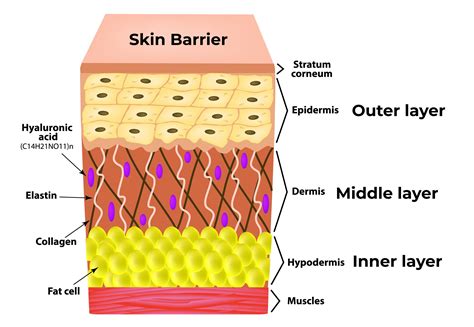
While not a direct hydrating agent, glutathione plays a crucial supportive role in moisture retention. It protects cells from oxidative stress, a factor that can lead to dryness, and helps maintain the skin barrier. A healthy skin barrier is essential for preventing transepidermal water loss.
Improved Skin Elasticity
Glutathione is integral to collagen synthesis, a protein vital for skin firmness. It supports tissue repair and regeneration, thereby helping to maintain the skin's elasticity and reduce the appearance of fine lines and wrinkles.
Reduced Puffiness
Leveraging its antioxidant and anti-inflammatory properties, glutathione helps to diminish the appearance of puffiness, particularly in the delicate eye area. By neutralizing free radicals, it minimizes swelling caused by environmental stressors such as UV rays, weather, and pollution. Furthermore, by supporting skin hydration, it contributes to skin that is less prone to puffiness.
Strengthened Skin Barrier
Glutathione enhances the skin’s protective functions and promotes overall skin health by neutralizing harmful substances that can compromise barrier integrity. This not only prevents transepidermal water loss but also improves the skin's capacity to retain moisture. Consequently, incorporating glutathione into skincare routines can significantly bolster the strength and stability of the skin barrier.
How to Incorporate Glutathione into Your Skincare Routine
Understanding the benefits of glutathione naturally leads to the question of how to integrate it into your daily regimen. Fortunately, adding glutathione products is straightforward. Unlike some other brightening ingredients, glutathione does not counteract with components like vitamin C, licorice, or azelaic acid; instead, it can actually enhance their performance.
“The best way to incorporate it into your routine is topically through advanced skincare,” suggests Henry. “We have taken traditional glutathione and enhanced the molecule to become fat-soluble, meaning skin cells can absorb it more easily and it can work more effectively.” For optimal results, it can be used daily in both morning and night routines, incorporated into creams, serums, and eye care products.
Glutathione Skincare: Frequently Asked Questions
Is Glutathione Better Than Retinol?
Glutathione and retinol operate through distinct mechanisms. While retinol primarily targets existing fine lines and wrinkles, glutathione focuses on prevention by protecting the skin against oxidative damage, a key contributor to the formation of fine lines and wrinkles.
How Long Does Glutathione Take to Show Results on Skin?
The timeline for observing glutathione's effects on the skin varies depending on the desired outcome. For reducing the appearance of breakouts and achieving smoother skin, results can be noticeable within 2-3 weeks. For more significant improvements in skin tone, it might take up to 2-3 months.
Which is Better, Glutathione or Collagen?
Comparing glutathione and collagen is like comparing apples and oranges, as they offer unique benefits tailored to different skin goals. If your priority is to deeply hydrate your complexion and prevent premature aging, collagen is recommended for its direct support of skin structure and moisture levels. However, if your aim is to detoxify and brighten the skin while protecting it from oxidative stress and environmental damage, glutathione is the superior choice for bringing vibrancy to the skin.
Beyond Skincare: Systemic Glutathione Benefits
Glutathione, a substance derived from the amino acids glycine, cysteine, and glutamic acid, is produced by the liver and plays a role in numerous bodily processes. It is involved in tissue building and repair, the synthesis of essential chemicals and proteins, and immune system function.
While people explore glutathione for various conditions, its efficacy for many systemic uses is not yet well-supported by robust scientific evidence. However, it is recognized for its potential benefits in specific areas:
Reduces Oxidative Stress
Oxidative stress arises from an imbalance between free radical production and the body's antioxidant defenses. Chronically high levels of oxidative stress are linked to numerous diseases, including cancer, diabetes, and rheumatoid arthritis. Glutathione, as a primary antioxidant, helps counteract this process, potentially reducing disease risk.
May Improve Psoriasis
Research suggests that individuals with psoriasis often have lower glutathione levels. Treatments that enhance antioxidants like glutathione may help manage oxidative stress and related reactive oxygen species (ROS), potentially alleviating psoriasis symptoms. Further research is needed to confirm these effects.
Reduces Cell Damage in Fatty Liver Disease
Antioxidant deficiencies, including low glutathione levels, can exacerbate liver cell death, contributing to fatty liver disease in both alcohol-related and non-alcohol-related cases. Glutathione has shown promise in improving certain markers in individuals with alcoholic fatty liver disease and metabolic dysfunction-associated steatotic liver disease (MASLD). A small study indicated positive effects of oral glutathione in individuals with MASLD following lifestyle changes.
Raises Glutathione Levels in Acetaminophen Overdose
In cases of acetaminophen overdose, raising glutathione levels is critical to prevent liver failure. Medications like N-acetylcysteine are administered to replenish glutathione, aiding the liver in metabolizing acetaminophen and preventing further damage.
Improves Insulin Resistance
Insulin resistance, where cells respond poorly to insulin, hinders glucose uptake from the blood and is often associated with diabetes and prediabetes. A trial involving males with obesity found that oral glutathione supplementation improved insulin resistance, suggesting a potential role in managing this condition.
Increases Mobility for People with Peripheral Artery Disease
Research indicates that intravenous glutathione infusions can improve circulation and increase pain-free walking distances for individuals with peripheral artery disease.
May Help Fight Autoimmune Disease
The chronic inflammation characteristic of autoimmune diseases can elevate oxidative stress. Glutathione can help modulate the body’s immunological response, potentially mitigating the effects of autoimmune conditions like lupus, rheumatoid arthritis, and celiac disease by protecting cellular mitochondria from free radicals.
Safety and Dosage
When taken by mouth, glutathione is considered possibly safe when used in doses up to 500 mg daily for up to two months. However, comprehensive information on potential side effects is limited. When inhaled, it is also considered possibly safe, with limited data on side effects. For topical application, there is insufficient reliable information to confirm its safety, though it may cause a rash in some individuals.
There is not enough reliable information to establish an appropriate dosage for glutathione. It is essential to follow product label directions and consult a healthcare professional before use. Pregnant or breastfeeding individuals should exercise caution and avoid use due to a lack of safety data. Individuals with asthma should not inhale glutathione, as it may exacerbate symptoms.
While a diet rich in glutathione-boosting foods is generally safe, taking supplements may not be suitable for everyone. Possible side effects from supplements can include abdominal cramps, bloating, trouble breathing due to bronchial constriction, and allergic reactions like rash. Always consult with a healthcare professional to determine if glutathione is appropriate for your individual needs.
tags: #glutathione #serum #benefits