Acne lesions, commonly known as pimples, occur when hair follicles become clogged with oil and dead skin cells, creating an environment where bacteria can thrive. This leads to the formation of red bumps and pus-filled pustules. While dealing with active acne can be challenging, the marks left behind after pimples clear up can feel like a persistent reminder. These marks, often appearing red or brownish, are a common concern for many individuals.
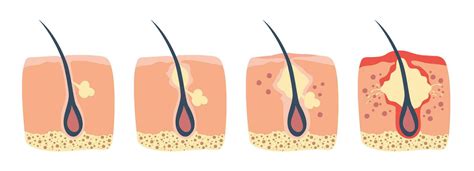
Post-Acne Marks: Red Marks and Brown Marks
The marks left behind by acne can broadly be categorized into red marks and brown marks, each with distinct causes:
Post-Inflammatory Erythema (PIE) - Red Marks
Red marks, medically termed post-inflammatory erythema (PIE), are a common aftermath of acne breakouts. These appear as red, pink, or purple patches on the skin. PIE is primarily caused by inflammation and dilation or damage to the small blood vessels, known as capillaries, located beneath the skin's surface. The skin reacts to the blemish by increasing blood flow to the area to deliver white blood cells for repair. This intense inflammatory response can persist even after the pimple has resolved, leaving a visible red mark.
PIE is most likely to occur in individuals with lighter skin tones, typically classified as skin types I, II, or III on the Fitzpatrick scale. While PIE can last for several months, it typically does not require specific treatment to resolve. However, various at-home and medical treatments can help to expedite the fading process. These red marks can appear in clusters or as isolated dots and may resemble acne spots but without the characteristic blackheads or whiteheads.
Post-Inflammatory Hyperpigmentation (PIH) - Brown Marks
Brown marks, known as post-inflammatory hyperpigmentation (PIH), develop when the skin's response to inflammation involves an overproduction of melanin, the pigment responsible for skin color. This process creates persistent brown spots that can remain long after the initial blemish has healed. PIH is more common in individuals with darker skin tones (Fitzpatrick types IV, V, and VI) but can also affect lighter complexions.
Unlike PIE, PIH is characterized by brown discoloration and can sometimes be longer-lasting. Both PIE and PIH can occur simultaneously on the skin, regardless of skin tone.
Acne Scars: A Deeper Concern
While red and brown marks are generally flat discoloration, acne scars represent a more significant textural change in the skin. Scarring typically occurs when a deep blemish becomes severely inflamed, leading to the breakdown of collagen and elastin, the skin's structural proteins. The body's attempt to heal this damage results in the formation of scar tissue, often creating a pitted or uneven appearance.
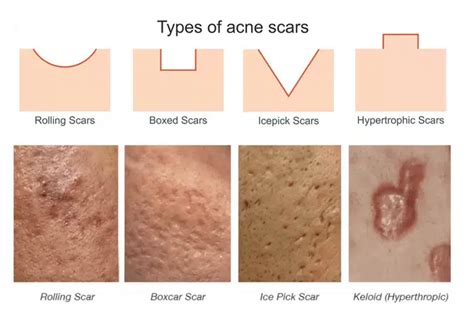
Types of Acne Scars
- Atrophic Scars: These are indented scars that form due to collagen loss during healing. They include:
- Ice Pick Scars: Small, narrow, and deep scars resembling puncture marks.
- Boxcar Scars: Depressed scars with well-defined edges.
- Rolling Scars: Wave-like scars that create an uneven, undulating texture.
- Hypertrophic Scars and Keloid Scars: These are raised scars that develop when the body produces too much collagen during healing. Keloid scars can extend beyond the original boundaries of the blemish.
Prevention is Key
The most effective strategy for managing post-acne marks and scars is prevention. Several practices can significantly reduce the risk of their development:
- Avoid Picking and Squeezing: This is a crucial rule. Picking or squeezing pimples can push inflammation deeper into the skin, spread infection, and significantly increase the risk of scarring and prolonged redness or discoloration.
- Gentle Skincare: Harsh or abrasive cleansers can irritate the skin, increasing inflammation and potentially worsening marks. Opt for gentle, non-irritating skincare products.
- Sun Protection: Sun exposure is a major enemy of post-acne marks. UV radiation can aggravate inflammation, stimulate melanin production (worsening brown marks), and make red marks appear more prominent. Consistent use of sunscreen with at least SPF 30 is essential, especially after treatments like chemical peels, which make the skin more sensitive to light.
- Early and Consistent Acne Treatment: Managing breakouts as soon as they appear helps to limit inflammation and reduces the risk of deeper skin damage and subsequent scarring.
Acne: Understanding the Types of Acne and Treatment Options
Treatments for Red Marks (PIE)
While red marks often fade on their own, various treatments can help accelerate the process:
At-Home Treatments
- Topical Hydrocortisone: A steroid that can reduce inflammation. It should be used under the guidance of a dermatologist due to potential side effects.
- Topical Vitamin C: While not extensively studied for PIE, vitamin C is known to reduce redness caused by UV exposure and has skin-lightening properties that may benefit PIH as well.
- Niacinamide: This form of vitamin B3 reduces inflammation and helps the skin retain moisture. Topical application may offer some benefit for PIE.
Medical Treatments
- Laser and Light-Based Treatments: These treatments target and eliminate damaged blood vessels, reducing inflammation and discoloration. Multiple sessions may be required to see significant results.
- Microneedling: This procedure uses a device with tiny needles to create controlled micro-injuries in the skin, stimulating new collagen production and helping to break up acne-related scarring. Results can be enhanced when combined with topical treatments like vitamin C serum or tretinoin, but this should be done under dermatologist supervision.
Treatments for Brown Marks (PIH)
Brown marks, or PIH, result from excess melanin production and can be addressed with treatments aimed at reducing pigmentation and promoting cell turnover:
Topical Treatments
- Ingredients like Vitamin C, AHAs (Alpha Hydroxy Acids), BHAs (Beta Hydroxy Acids), and Retinoids: These ingredients can help to even out skin tone by promoting exfoliation and reducing melanin production.
- Niacinamide: Effective in reducing inflammation and controlling melanin production, leading to a more even complexion.
- Thiamidol: An active ingredient proven to inhibit melanin production at its source, effectively reducing hyperpigmentation.
- Retinoids (e.g., Retinol): These promote skin regeneration and stimulate the formation of new, healthy skin cells, improving texture and minimizing the appearance of brown spots. Retinoids can increase sun sensitivity, so diligent sun protection is crucial.
Professional Treatments
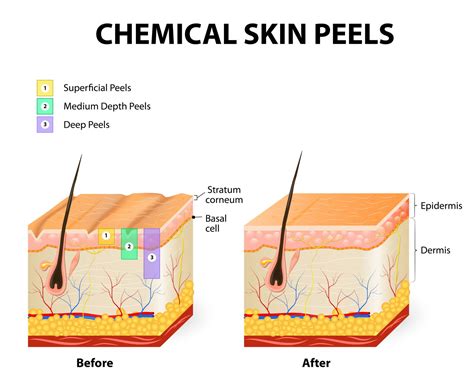
- Chemical Peels: Peels, particularly those containing AHAs or trichloroacetic acid (TCA), can promote cell turnover and collagen growth, helping to fade dark spots and improve skin radiance. Medical-grade peels (above 10% concentration) can penetrate deeper than the epidermis.
- Microdermabrasion: This procedure uses tiny crystals to exfoliate the top layer of skin, revealing smoother, less pigmented skin beneath.
- Laser Treatments: Ablative lasers vaporize damaged skin, while non-ablative lasers stimulate collagen production to improve skin tone and texture.
Treatments for Acne Scars
Treating acne scars, especially atrophic (indented) scars, often requires more intensive interventions:
Minimally Invasive Procedures
- Chemical Peels: Deeper chemical peels can help to resurface the skin and improve the appearance of shallow scars.
- Microdermabrasion: Can be effective for mild textural irregularities.
- Microneedling and RF Microneedling: These treatments stimulate collagen production to fill in indented scars. RF microneedling combines microneedling with radiofrequency heat energy for enhanced results.
- Laser Resurfacing: Both ablative and non-ablative lasers can be used to remove damaged skin layers and stimulate collagen remodeling, leading to smoother skin.
- Dermal Fillers: For rolling or depressed scars, injecting material under the scar can raise it to the level of the surrounding skin.
More Invasive Treatments
- Dermabrasion: This treatment uses a rotating instrument to "sand down" the skin's surface, promoting the growth of new, smoother skin. Healing can take several weeks.
- Surgery: In cases of deep, indented scars, surgical excision may be recommended to remove the scar tissue.
- Corticosteroid Injections: For raised scars (hypertrophic or keloid), steroid injections can help flatten them by reducing inflammation and slowing collagen production.
Acne: Understanding the Types of Acne and Treatment Options
Daily Skincare Routine for Managing Post-Acne Marks
A consistent and appropriate daily skincare routine is fundamental for managing and reducing the appearance of post-acne marks:
- Gentle Cleansing: Use a mild cleanser, such as CeraVe Acne Control Cleanser, formulated with ingredients like salicylic acid to clear pores and kaolin clay to absorb excess oil. Avoid harsh scrubbing.
- Moisturization: Hydration is crucial for skin healing. Opt for lightweight, oil-free, non-comedogenic moisturizers like CeraVe Oil Control Moisturizing Gel-Cream to hydrate without clogging pores.
- Sun Protection: Daily use of broad-spectrum sunscreen (SPF 30 or higher) is non-negotiable. Products like CeraVe AM Facial Moisturizing Lotion SPF 50 or CeraVe Hydrating Mineral Sunscreen SPF 50 Body Lotion protect against UV damage that can worsen marks.
- Targeted Treatments: Incorporate products with proven ingredients like retinoids (e.g., CeraVe Resurfacing Retinol Serum), niacinamide, or vitamin C to address discoloration and improve skin texture.
- Exfoliation: Gentle exfoliation with products containing ingredients like LHA (found in EFFACLAR Astringent Lotion) can help slough off dead skin cells and stimulate collagen.
It's important to remember that change takes time, and consistency is key. Setting realistic expectations and consulting with a dermatologist for personalized advice can significantly enhance the effectiveness of any treatment plan.