Botox is the most popular injectable cosmetic procedure for reducing facial wrinkles and fine lines. When Botox is administered correctly, it can provide a natural-looking rejuvenation, making you look more youthful without appearing frozen or plasticky. While it's a common concern, bruising after Botox is not as drastic as many people imagine. In fact, only about 5% of patients experience bruising, and when it does occur, it is typically very mild and superficial.
Bruising occurs when the Botox needle inadvertently hits one of the numerous capillaries located just beneath the skin during the treatment. Several factors can influence your susceptibility to bruising after a Botox procedure.
Certain areas of the face are inherently more prone to bruising than others, regardless of the precautions taken. For instance, the forehead exhibits greater vascular variability compared to other facial regions. Understanding these factors can help manage expectations and prepare for the procedure.
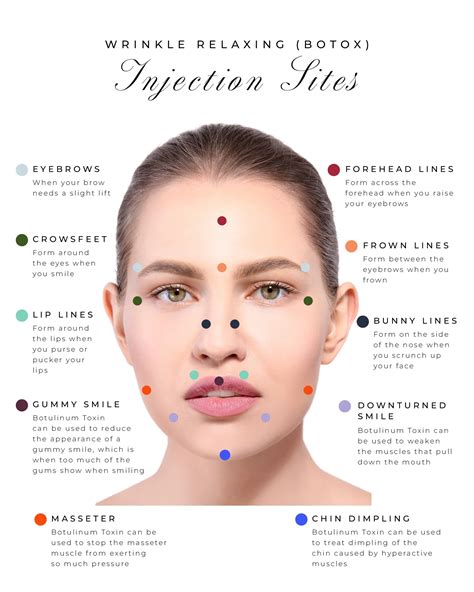
Factors Influencing Botox Bruising
Several elements contribute to the likelihood and severity of bruising following Botox injections. These range from anatomical considerations to lifestyle choices and pre-treatment preparations.
Anatomical Predispositions
The inherent structure of your face plays a significant role. People with thinner skin, fair complexions, or more prominent vascularity are generally more prone to bruising. The skin around the eyes, for example, is particularly thin and sits over a dense network of tiny blood vessels, making it more susceptible to bruising, especially when treating areas like crow's feet.
The jawline, particularly when treating masseter muscles for clenching or slimming, is also a "vascular neighborhood" with many delicate blood vessels. Even with precise Botox placement, a small bruise can occur if a vessel is inadvertently nicked. If you are a clencher or grinder, your masseter muscle might be dense and thick from overuse, potentially requiring deeper injections to reach the muscle's core. Deeper injections carry a slightly higher chance of impacting a vessel, leading to mild bruising.
Facial structure and the specific location of blood vessels can vary between individuals, leading to asymmetrical bruising, where one side of the face may bruise more than the other. This is a normal biological variation and does not indicate a problem with the treatment itself.
Lifestyle and Habits
Your daily habits and consumption patterns can significantly impact your risk of bruising. Consuming alcohol, even in small amounts, can cause blood vessels to expand and relax (vasodilation), increasing susceptibility to bruising. It is generally recommended to avoid alcohol consumption for at least 24 to 48 hours before and after treatment.
Dehydration can also contribute to bruising by making blood vessels tighter and more fragile. Maintaining adequate hydration is crucial for vessel elasticity.
Caffeine intake can also play a role by potentially raising blood pressure and increasing vessel sensitivity.
Medications and Supplements
Certain over-the-counter medications and supplements can affect blood clotting and increase the likelihood of bruising. These include:
- NSAIDs: Such as Aspirin and ibuprofen.
- Herbal and Vitamin Supplements: Including fish oils, ginkgo biloba, St. John's wort, omega-3 fatty acids, high-dose Vitamin E, garlic, and turmeric.
If you are taking prescription blood thinners for medical reasons, it is essential to continue taking them unless your prescribing doctor advises otherwise. However, it is crucial to discuss all medications and supplements with your medical practitioner before the procedure.
Technique and Injector Experience
The skill and experience of your Botox provider are paramount. An experienced injector will possess detailed knowledge of facial anatomy, including the location of larger arteries and veins, and will skillfully avoid them during treatment. They will also understand how to map the injection sites, especially for muscles like the masseter, by having you clench your jaw to identify the muscle belly and avoid more superficial, bruise-prone zones.
A rushed procedure or a lack of attention to detail can increase the risk of hitting a blood vessel. Therefore, it is vital to choose a qualified and skilled practitioner who takes the time to assess each facial area and administer the injections with precision.
How Long Does Botox Bruising Last?
Bruising after Botox is generally a temporary and minor side effect. In most cases, these bruises are superficial and fade relatively quickly.
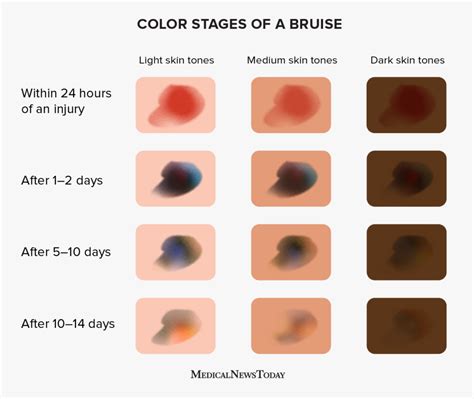
Typical Duration: Botox-related bruising usually lasts from a few days up to two weeks. Many small, painless, surface-level bruises resolve within 3 to 7 days.
Factors Affecting Duration: The duration can vary depending on the individual's healing response, the depth of the injection, and the size of the blood vessel that was affected. Bruises that appear after 48 hours are rare but still considered within the normal range.
When to Seek Advice: If bruising persists for longer than 10 days or if you notice discoloration that is worsening, it is advisable to consult with your medical practitioner. They may recommend specific treatments to help speed up the fading process.
Preventing and Minimizing Botox Bruising
While it's impossible to eliminate the risk of bruising entirely, several strategies can help prevent or minimize its occurrence and severity.
Pre-Treatment Preparations
- Avoid Blood Thinners: Refrain from taking over-the-counter medications like Aspirin and ibuprofen, as well as certain supplements like fish oil and Vitamin E, for several days before your appointment, as advised by your doctor.
- Limit Alcohol: Abstain from alcohol consumption for 24-48 hours before and after the treatment.
- Stay Hydrated: Drink plenty of water in the days leading up to and on the day of your appointment to keep your blood vessels elastic.
- Consider Supplements: Discuss with your provider about starting supplements like Arnica and Vitamin K a few days prior to treatment, as they may help reduce bruising. Bromelain, an enzyme found in pineapple, is another option for reducing inflammation.
Post-Treatment Care
- Apply Cold Compresses: Gently apply ice packs (wrapped in a clean cloth) to the treated areas for 10-15 minutes every hour during the first day. The cold helps constrict blood vessels, slowing blood flow and reducing swelling and bruising.
- Keep Head Elevated: For the first few nights after the procedure, sleep with your head elevated higher than your heart.
- Avoid Strenuous Activity: Refrain from intense exercise for at least 24-48 hours post-treatment, as increased heart rate and blood flow can exacerbate bruising.
- Avoid Facial Massage: Do not massage or apply pressure to the treated areas for at least 24 hours, as this can displace the Botox and potentially worsen bruising.
- Avoid Heat: Steer clear of hot environments like saunas or steam rooms, and avoid very hot showers for the first 24 hours, as heat dilates blood vessels.
- Do Not Lie Flat: Remain upright for at least 4 hours after the procedure to ensure the Botox stays in the intended location.
How Do You Prevent Bruising After Botox? - Skin Savvy Dermatology
What a Botox Bruise Looks Like and When to Be Concerned
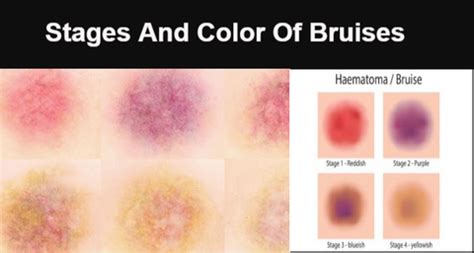
Botox bruises typically appear as small, yellowish or light purple "pin-dot" marks or faint smudges near the injection sites. They are usually not as dramatic or deep in color as bruises from other types of cosmetic procedures or trauma.
When Bruising Isn't Just a Bruise: While most bruises are harmless, it's important to be aware of warning signs. If a bruise starts to grow rapidly, darkens significantly, or feels hot, painful, or unusually firm to the touch, it could indicate a more serious issue, such as vascular occlusion (where Botox accidentally affects blood flow to nearby tissue). In such rare cases, contact your provider immediately.
Swelling and Asymmetry: Some mild swelling or soreness is normal immediately after injections. However, if you notice significant or growing swelling, or if you experience an uneven smile or chewing difficulty (which might indicate product diffusion rather than bruising), it's essential to consult your provider.
Covering Bruises: Bruises can typically be covered with makeup once the injection sites have closed, usually within a few hours. Use gentle, non-comedogenic makeup and apply it by patting, not rubbing, to avoid irritating the area.
In summary, Botox bruising is a common, yet usually minor, side effect that typically resolves within a few days to two weeks. By understanding the contributing factors and adhering to recommended pre- and post-treatment care, you can significantly minimize the risk and duration of bruising, ensuring a smoother recovery and optimal results from your Botox procedure.