Glycolic acid is a highly regarded ingredient in the skincare industry, recognized for its exceptional ability to penetrate the skin deeply and deliver a multitude of benefits. As a prominent member of the alpha-hydroxy acid (AHA) family, glycolic acid is derived from sugar cane and is particularly celebrated for its potent exfoliating properties.
How Glycolic Acid Works
Glycolic acid functions by effectively dissolving the bonds that hold dead skin cells together on the skin's surface. This process facilitates the easy removal of these dead cells, unveiling smoother, brighter, and more youthful-looking skin beneath. Consistent use of glycolic acid can contribute to a more even skin tone, diminish the appearance of fine lines and wrinkles, and reduce the visibility of pores.
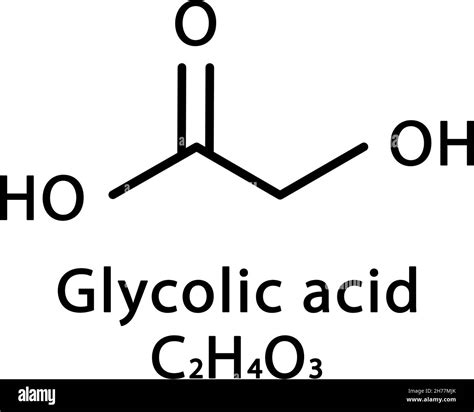
The Advantages of Glycolic Acid in Facial Cleansers
Integrating glycolic acid into a facial cleanser offers a particularly effective approach to skincare, as it merges the essential step of cleansing with the benefits of exfoliation, thereby streamlining your daily routine. A glycolic acid cleanser not only removes common impurities such as dirt and oil but also actively treats the skin through exfoliation, leaving it feeling refreshed and revitalized.
A notable product in this category is Reviva Labs’ Glycolic Acid Cleanser. This cleanser is meticulously formulated to provide a deep cleanse while delivering the exfoliating advantages of glycolic acid. It is suitable for all skin types and aims to promote a more radiant and healthy complexion without causing irritation.
Scientific Evidence and Skin Improvement
Clinical studies have substantiated the positive impact of regular glycolic acid use on skin appearance. For instance, research published in the Journal of Dermatological Science indicated that topical application of glycolic acid led to an increase in collagen production. Collagen is a vital protein for maintaining the skin's elasticity and firmness.

Glycolic Acid for Acne-Prone Skin
Glycolic acid also proves beneficial for individuals struggling with acne-prone skin. By exfoliating the skin's surface and aiding in the clearance of clogged pores, glycolic acid helps to reduce the likelihood of acne flare-ups. Its ability to accelerate the shedding of dead skin cells assists in preventing pore blockages, thereby decreasing the frequency of breakouts.
Enhancing Skin Hydration
An often-underestimated benefit of glycolic acid is its capacity to improve skin hydration. By removing the outermost layer of dead skin cells, glycolic acid allows moisturizers to penetrate more effectively. This action enhances the skin's overall moisture retention, contributing to a balanced and hydrated complexion.
How to Use a Glycolic Acid Cleanser
To maximize the benefits of a glycolic acid cleanser, it should be incorporated as a consistent part of your skincare regimen. The recommended method of application involves wetting your skin, applying the cleanser, and gently massaging it in circular motions to cover the entire face. Allowing the cleanser to sit on the skin for a minute enables the glycolic acid to work effectively before rinsing thoroughly with warm water.
Considerations for Sensitive Skin and Sun Protection
While glycolic acid is generally considered safe for most skin types, individuals with particularly sensitive skin should initiate use with a lower concentration to assess their skin's tolerance. It is also crucial to use sunscreen during the day, as glycolic acid can increase the skin's sensitivity to the sun.

The Science Behind Glycolic Acid
Glycolic acid is a type of alpha hydroxy acid (AHA), a category of natural acids found in various foods. Its origin is sugar cane. AHAs, including glycolic acid, work by removing the top layers of dead skin cells. Additionally, glycolic acid appears to help reverse signs of sun damage on the skin.
Common uses for glycolic acid include addressing acne, aging skin, dark skin patches on the face (melasma), and acne scars. While it is also used for stretch marks and other conditions, scientific evidence supporting these additional uses is limited.
Specific Uses and Effectiveness
- Acne: Applying glycolic acid to the skin seems to help reduce mild to moderate acne in individuals aged 12 and older.
- Aging Skin: Topical glycolic acid application appears to reduce wrinkles and other signs of aging and sun damage.
- Acne Scars: Glycolic acid applied to the skin, either alone or combined with microneedling, seems to improve the appearance of acne scars.
- Dark Skin Patches (Melasma): Glycolic acid, used alone or with other treatments, appears to reduce mixed-type and epidermal-type melasma. However, it may not be effective for dermal-type melasma, which affects a deeper layer of the skin.
There is ongoing interest in exploring other applications for glycolic acid, but more reliable information is needed to confirm its efficacy for various purposes.
Potential Side Effects and Precautions
When applied to the skin: Glycolic acid is generally considered safe when used in products containing concentrations of 10% or less. However, products with higher concentrations may be potentially unsafe and should ideally be used under the supervision of a dermatologist. Inappropriate use of high-concentration products can lead to severe skin reactions.
Special Precautions and Warnings:
- Pregnancy and Breast-feeding: Glycolic acid is likely safe when applied topically during pregnancy or breast-feeding. However, there is insufficient reliable information regarding its safety when taken orally. It is advisable to stick to topical applications.
- Sensitive Skin: Glycolic acid can cause skin irritation and potentially exacerbate certain skin conditions. Caution is advised for individuals with sensitive skin.
Currently, there is no specific information available regarding interactions between glycolic acid and other substances.
Dosing and Application
For adults, glycolic acid has most commonly been applied to the skin in lotions and creams containing 10% to 15% concentration, once or twice daily for up to four months. Short facial peels performed under healthcare provider supervision have also been utilized. Consulting a healthcare provider is recommended to determine the most suitable product type and concentration for specific conditions.
Understanding Glycolic Acid in Skincare Routines
Glycolic acid is a key ingredient for improving skin tone and texture, reducing the appearance of fine lines, wrinkles, breakouts, and blemishes. However, its introduction into a skincare routine requires some understanding due to its active nature.
What is Glycolic Acid?
Glycolic acid is a chemical exfoliant belonging to the alpha hydroxy acid (AHA) family. It is widely used and derived from sugar cane. Other AHAs include lactic, citric, and mandelic acids. It is found in various skincare products, often in mild strengths in face washes and serums, and in stronger formulations for professional skin peels.
How Does Glycolic Acid Affect Your Skin?
Glycolic acid is considered an ultimate exfoliator. It works by loosening the bonds holding dead skin cells to the skin's outer surface, revealing younger, fresher cells underneath. Due to its smallest molecular structure among AHAs, it penetrates the skin deeper and faster than other acids. This deep penetration into the dermis can also help promote collagen synthesis.
It is also highly effective for treating breakouts, offering an alternative to ingredients like salicylic acid, which can sometimes be drying.
Daily Use of Glycolic Acid
Like any acid, overuse or combining it with other harsh acids can lead to skin irritation. Using high strengths of glycolic acid too frequently can result in over-exfoliation, potentially damaging the skin's protective barrier. However, it can be used daily in mild strengths, depending on the product's formulation.
Signs of overuse include skin sensitivity, redness, flaking, or a feeling of fragility. An overly smooth, waxy appearance can also indicate excessive acid use. It is advisable to start with the lowest concentration, use it every two to three days, and gradually increase frequency and strength as the skin adjusts.
Suitability for Different Skin Types
Glycolic acid is effective for normal, combination, and oily skin. Sensitive skin, however, should approach its use with caution, as it can cause dryness, redness, and increased sensitivity. Similar to retinol, it's wise to exercise caution when trying glycolic acid for the first time.
Seasonality can affect tolerance. As glycolic acid removes upper skin layers, it can increase sun sensitivity, making sunscreen essential. For those navigating pregnancy-safe skincare, glycolic acid (in low concentrations) is generally accepted, which is beneficial for hormonal dullness or breakouts.
Individuals with darker skin types may need to be cautious. Higher strength products have been reported to cause burns on darker skin tones due to changes in the skin's pH, particularly with in-clinic products. Lactic acid can be an alternative if glycolic acid is not tolerated.
Choosing the Right Glycolic Acid Product
For beginners, a glycolic acid cleanser is an accessible entry point, as contact time with the skin is brief and it is quickly washed off. It also serves as a good test for sensitivity, as glycolic acid is neutralized upon contact with water.
Once accustomed, one can progress to leave-on formulations like toners, serums, and moisturizers, which may contain higher concentrations. While cleansers and toners with small amounts can be used daily, many find once or twice a week sufficient for stronger products.
Ideal concentrations typically range from 8% to 15%. Higher concentrations offer more intensive results and an immediate skin glow but should be reserved for professional use. The pH of the product is also important; a higher pH weakens the acid's strength, minimizing irritation. Products with a pH between three and four ensure the stated strength of glycolic acid is accurate.
Potential Disadvantages and Ingredient Interactions
While glycolic acid can be used alongside other AHAs and BHAs, including salicylic acid, certain ingredients should be avoided simultaneously. Combining glycolic acid with retinoids, for instance, can lead to significant irritation. If using both, it's recommended to introduce one, build tolerance, and then slowly introduce the other, using them on alternate days.
Overuse of glycolic acid, even as a gentle exfoliant, can damage the skin barrier, which is the skin's primary defense against pollutants and pathogens. Frequent or high-concentration use can strip the skin of natural oils, leading to irritation, sensitivity, dryness, redness, flakiness, and breakouts. It can also increase susceptibility to sun damage.
During winter, when the skin barrier is often compromised by cold temperatures and indoor heating, it's particularly important to avoid overzealous use of glycolic acid, especially for first-time users. Overdoing it can result in dryness, flakiness, redness, and irritation. A gradual approach is key to avoiding damage to the skin barrier and preventing sensitivity and inflammation.

Choosing the Right Cleanser for Your Skin
Selecting the appropriate facial cleansing product depends on your skin's specific needs. If you experience acne or have oily skin, a cleanser containing salicylic acid is often the best choice, as it helps regulate excess oil production, a common cause of acne.
For sensitive or dry skin, a cleanser with glycolic acid might be a better option, as it exfoliates gently without causing dehydration. If you have combination skin, a cleanser containing both glycolic and salicylic acids can be highly effective.
Incorporating Glycolic and Salicylic Acid Cleansers
A face wash containing both glycolic and salicylic acids can be instrumental in achieving clear, smooth, and glowing skin. Together, these potent acids can exfoliate, deeply cleanse, and brighten the skin while addressing concerns such as fine wrinkles, acne, and skin texture.
Application Steps:
- Start with clean skin: Moisten your skin with lukewarm water to open pores.
- Apply the face wash: Using your fingertips or a cleansing brush, apply a small amount of the glycolic or salicylic acid face wash to your face and neck.
- Follow up with a moisturizer: It is crucial to hydrate your face after using a cleanser containing these acids.
By selecting a face cleanser formulated with glycolic and salicylic acids, you can provide your skin with the necessary attention to attain a healthy, radiant complexion.