A chemical peel, also known as chemexfoliation or dermapeeling, is a cosmetic procedure that uses a chemical solution to improve the appearance of the skin. The chemical solution is applied to the skin, causing controlled trauma or injury to its layers. As these skin layers eventually peel off, they reveal more youthful, smoother, and brighter skin with a more even complexion and fewer lines and wrinkles.
What Conditions Can a Chemical Peel Treat?
Chemical peels are versatile treatments used to address various skin conditions and enhance overall appearance by improving skin tone and texture. While most commonly performed on the face, neck, or hands, they can help reduce or improve:
- Fine lines and wrinkles, particularly those caused by sun damage, aging, and hereditary factors.
- Certain types of acne.
- Mild scarring.
- Sun spots, age spots, liver spots, freckles, and uneven skin coloring.
- Precancerous scaly spots like actinic keratosis.
- Rough skin, scaly patches, and a dull complexion.
- Dark patches such as melasma, often associated with pregnancy or birth control use.
The depth of the peel is determined in consultation with a dermatologist, based on the patient's skin condition and treatment objectives. Deeper concerns like sags, bulges, deep scars, deep facial lines, and severe wrinkles may not respond well to chemical peels, and alternative cosmetic surgical procedures might be more suitable.
Chemical Peels and Freckles
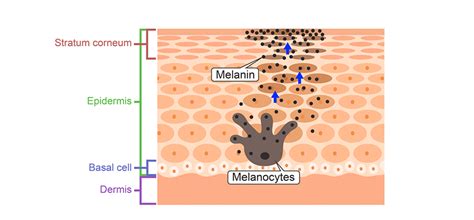
Freckles are small, light brown spots on the skin, often appearing during childhood and becoming more prominent with sun exposure. While some embrace their freckled appearance, others seek to reduce their visibility. Chemical peels can be an effective solution for this concern by targeting the melanin clusters that cause freckles.
Freckles and brown spots are essentially clusters of pigment cells called melanocytes. Although no one is born with visible freckles, they can have a genetic component. Lentigines, a type of darker spot, remain present regardless of sun exposure.
A chemical peel works by applying a carefully chosen acid solution to the skin. This solution dissolves the bonds holding the pigmented skin cells together, allowing the top layers of skin, including the melanin clusters, to shed. This process exfoliates the discolored cells and stimulates the skin's regeneration, leading to the growth of new, evenly-toned cells. The new skin that emerges is fresher and less affected by the sun damage that may have contributed to the freckles.
Types of Chemical Peels for Freckles
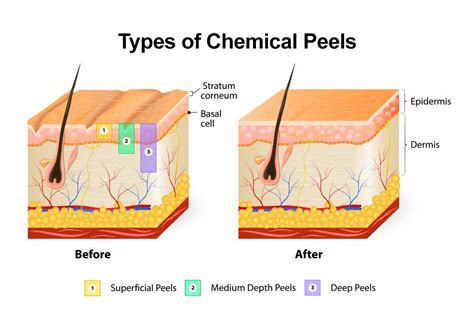
The effectiveness of a chemical peel for freckles depends on its depth and the type of acid used. Dermatologists typically recommend superficial to medium-depth peels for freckle treatment, as these target the epidermis, where most freckles reside.
Superficial Peels (Light Peels)
These are the gentlest peels, often referred to as "lunchtime peels" due to their minimal downtime. They work on the epidermis, the outermost layer of skin. Common acids used in superficial peels include:
- Glycolic Acid: Derived from sugarcane, its small molecular size allows for easy penetration, effectively exfoliating and brightening the skin.
- Lactic Acid: Found in dairy products, this AHA is known for its hydrating properties, making it suitable for sensitive skin.
- Salicylic Acid: A Beta-Hydroxy Acid (BHA) that is beneficial for oily or acne-prone skin as it can penetrate pores.
Light peels often require a series of treatments to achieve optimal results but involve minimal recovery time. They are popular due to their non-invasive nature and effectiveness for sensitive skin.
Medium-Depth Peels
These peels penetrate deeper, reaching the upper part of the dermis, the layer beneath the epidermis. They are more effective for stubborn freckles or more pronounced sun damage. Trichloroacetic Acid (TCA) is commonly used in medium-depth peels.
Medium-depth peels typically involve more noticeable redness and skin peeling, with a recovery period of about a week. While the downtime is longer than with light peels, the results are often more dramatic, and fewer treatments may be needed.
Deep Peels
Deep peels penetrate far into the dermis using potent chemicals like high-concentration TCA or Phenol. These are generally reserved for severe skin concerns like deep wrinkles or scars and are usually not recommended solely for freckle removal due to their intensity and higher risk of complications. The recovery from deep peels can take several weeks.
Glycolic Acid Peels for Freckles
Glycolic acid peels are a popular choice for addressing freckles due to their efficacy and minimal downtime. Glycolic acid, an alpha-hydroxy acid (AHA) extracted from sugarcane, has a small molecular structure that allows it to penetrate the skin effectively. A liquid dilution of glycolic acid, typically ranging from 20% to 50%, is applied to the skin.
This type of peel exfoliates the top layers of the skin, removing superficial concerns like freckles and hyperpigmentation. It can also help unclog pores, leading to a reduction in their size and making subsequent treatments like comedone extraction easier.
Benefits of Glycolic Peels for Freckles:
- Exfoliation: Removes dead skin cells and pigmented cells.
- Brightening: Reveals a brighter, more luminous complexion.
- Lightened Spots: Reduces the appearance of freckles and other dark spots.
- Improved Texture: Leads to smoother and softer skin.
- No Downtime: Generally allows for immediate return to normal activities.
Glycolic peels are considered safe and effective, being fruit-based and scientifically proven. They can be used every 3 to 4 weeks, with a recommended course of 6-8 treatments for best results. Consistency is key, as they have an aggregated impact on skin rejuvenation. It is advisable to start with a low concentration and gradually increase the strength in subsequent sessions. Using over-the-counter glycolic peels or attempting to dilute them at home is not recommended; professional application under the supervision of a skilled dermatologist is the safest approach.
The Chemical Peel Process for Freckles
The chemical peel journey typically involves three main phases:
Phase 1: Pre-Treatment Consultation
This initial meeting with a dermatologist or licensed esthetician is crucial. They will assess your skin type, discuss your goals regarding freckles, and review your medical history. Open communication about your current skincare routine and any medications is vital for safe and effective results. Based on this, the provider will determine the most suitable peel type.
Pre-peel preparation may include:
- Pausing the use of certain products like retinoids or harsh exfoliants for about a week.
- Potentially starting a pigment-blocking agent to prime the skin and reduce the risk of post-peel dark spots.
- Consistent use of a broad-spectrum sunscreen.
Phase 2: The Day of the Procedure
Before applying the chemical solution, the skin is thoroughly cleansed to remove makeup, oil, and dirt. Sensitive areas around the eyes, nose, and mouth are protected. The peel solution is then carefully applied, which may cause a tingling or warm sensation, sometimes with a slight sting, typically lasting only a few minutes. The provider monitors the skin closely throughout the application, which is usually quick, often taking 5 to 15 minutes.
Phase 3: Immediately After Treatment
Once the peel has taken effect, the solution is neutralized. A calming, protective ointment or cream is applied to soothe the skin, which may appear red and feel tight, similar to a mild sunburn. Clear aftercare instructions are provided, covering cleansing, moisturizing, and sun protection.
Chemical Peels for Skin Renewal by DSA Dermatology
Navigating Recovery and Aftercare
Successful recovery and optimal results from a chemical peel depend heavily on post-treatment care. For the first 24 to 48 hours, the skin should be treated gently. It's normal for the skin to feel tight and appear pink or red.
Key Post-Treatment Guidelines:
- DO wear a broad-spectrum sunscreen with SPF 30 or higher daily, even indoors.
- DON'T pick, peel, or scrub at any flaking skin, as this can lead to scarring or hyperpigmentation.
- DO wash your face with a gentle, soap-free cleanser and lukewarm water.
- DON'T use active skincare products like retinoids, AHAs, or scrubs until cleared by your provider.
- DO moisturize frequently with a quality, fragrance-free moisturizer to combat dryness and tightness.
Expected Recovery Timeline:
- Days 1-2: Skin feels tight and may look red.
- Days 3-5: Peak peeling occurs as old, pigmented skin sheds.
- Days 6-7: Flaking subsides, revealing smoother, brighter skin. Redness may linger.
Discomfort can be managed with cool compresses, and staying hydrated by drinking plenty of water aids the healing process.
Risks and Considerations
While generally safe, chemical peels, particularly moderate or deep peels, carry potential risks:
- Skin lightening (too much).
- Increased sensitivity to light.
- Potential health risks for individuals with heart disease.
Post-inflammatory hyperpigmentation is a greater risk for individuals with darker skin tones, especially with deeper peels. A patch test is often performed during the initial consultation to assess skin suitability and minimize risks.
Allergic reactions to glycolic acid peels are rare. If significant redness occurs, the peel can be neutralized. In very rare cases, "frosting" (crystallization of the peel on the skin) might be observed.
It is crucial to consult with a board-certified dermatologist to determine the safest and most effective peel for your specific skin type and concerns. They can also advise on the appropriate concentrations and treatment intervals.
Alternatives to Chemical Peels for Freckles
While chemical peels are highly effective, other treatment options are available for reducing the appearance of freckles:
- Intense Pulsed Light (IPL): A light-based therapy that uses specific wavelengths to break down excess melanin.
- Broadband Light (BBL) Energy: Similar to IPL, it treats fine lines, sun spots, and freckles by selectively heating skin layers and stimulating collagen.
- MOXI Laser: Delivers micro-pulses of laser energy to gently remove pigmentation and stimulate collagen.
- Cryosurgery: Freezing small areas of skin.
- Retinoid Creams: Can help with cell turnover and skin renewal.
- Fading Creams: Over-the-counter products designed to lighten dark spots.
- Sunscreen Use: Consistent daily application is crucial for prevention and maintenance.
- Natural Remedies: Some individuals explore options like lemon juice, though their efficacy and safety can vary.
The average cost of a chemical peel in the United States can vary, with prices often around $519, depending on the facility, anesthesia use, medications, and the practitioner's experience. Insurance typically does not cover chemical peels as they are considered elective procedures.