A good facial cleanser is a crucial part of any skincare regimen, but not all cleansers are created equal. The effectiveness of a facial cleanser lies in its ingredients, which are specifically chosen to address your skin’s unique needs. Whether your concern is wrinkles, acne, or uneven skin tone, there's an ingredient available to help. Understanding what a facial cleanser is designed to do is the first step. Essentially, its purpose is to remove dirt, makeup, and impurities from your skin, while also balancing its pH levels and preparing it for subsequent skincare steps.
When selecting a facial cleanser, the ingredients are paramount. Different components offer distinct benefits, making it essential to choose a product tailored to your individual requirements. For instance, if minimizing the appearance of wrinkles is your goal, a cleanser containing retinol would be beneficial. Discover the advantages of key ingredients and learn which ones are vital for optimal results in your facial cleanser.

Key Ingredients and Their Benefits
Retinol
Retinol, a derivative of vitamin A, is widely recognized for its anti-aging properties. It functions by stimulating collagen production, which helps diminish the appearance of fine lines and wrinkles. Furthermore, retinol is effective in reducing the visibility of dark spots and evening out skin tone. However, it's important to be aware that retinol can cause irritation for some individuals. Therefore, it's always recommended to perform a patch test on a small area of skin before applying it to your entire face.
Salicylic Acid
Salicylic acid, a beta-hydroxy acid (BHA), is a common and effective ingredient for treating acne. It works by exfoliating the skin and clearing out clogged pores. Salicylic acid also possesses anti-inflammatory properties that help to alleviate the redness and swelling associated with acne breakouts. If you are prone to acne, seeking out a facial cleanser that contains salicylic acid is highly recommended.
Ceramides
Ceramides are naturally occurring lipids found in the skin that play a vital role in maintaining hydration and protection. When the skin's natural ceramide levels are diminished, it can lead to dryness and irritation. This is where ceramide-infused skincare products become beneficial. Facial cleansers formulated with ceramides can help to strengthen the skin's protective barrier and effectively lock in moisture.
Vitamin C
Vitamin C is a potent antioxidant known for its ability to brighten dull skin. It achieves this by inhibiting melanin production, a process that can lead to dark spots and uneven skin tone. Additionally, vitamin C offers protection against environmental stressors such as pollution and UV radiation.
Glycerin
Glycerin is a humectant, meaning it attracts and draws moisture into the skin. While commonly found in moisturizers, it is also a frequent ingredient in facial cleansers. Glycerin aids in hydrating the skin while providing a gentle cleansing action.
Chemical and Physical Exfoliants
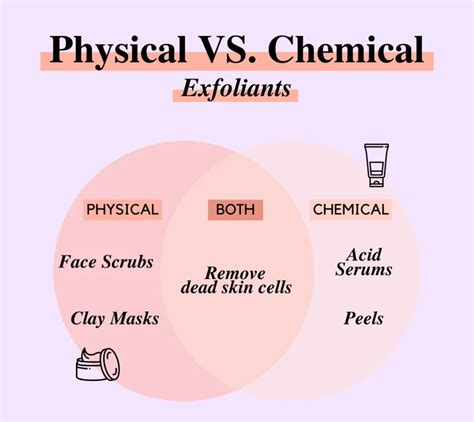
Exfoliation is a critical component of any skincare routine, as it removes dead skin cells and promotes cell turnover. There are two primary categories of exfoliants: chemical and physical. Chemical exfoliants, such as alpha-hydroxy acids (AHAs) and beta-hydroxy acids (BHAs), work by dissolving dead skin cells. Physical exfoliants, like scrubs and brushes, manually slough off dead skin cells. When selecting a facial cleanser, it is important to consider your specific skin type and concerns.
Choosing the Right Cleanser for Your Skin Type
When choosing a facial cleanser, consider your skin type and its specific concerns. For individuals with dry skin, opt for cleansers rich in hydrating ingredients like ceramides and glycerin. If you have oily or acne-prone skin, a cleanser formulated with salicylic acid is advisable. Selecting the appropriate facial cleanser can significantly contribute to achieving healthy, radiant skin.
If you're unsure about where to begin, consider incorporating some of the ingredients discussed above into your routine. Remember, the key is to choose a cleanser that is tailored to your skin’s concerns and needs.
The Rise of the Foaming Cleanser
The "skinimalism" trend in skincare emphasizes a simplified yet effective approach to maintaining healthy, glowing, and blemish-free skin. Central to this philosophy is a proper facial cleansing routine, and among the most effective and skin-friendly products is the foaming cleanser. A foaming cleanser is specifically designed to gently remove makeup, impurities, dead skin cells, and excess oil without compromising the skin's natural protective barrier.
Foaming cleansers are adept at removing impurities that accumulate throughout the day, including pollution, sweat, and makeup residue, without damaging the skin's delicate barrier. Their lightweight texture and sebum-regulating properties make them particularly well-suited for oily or combination skin types. The skin's pH balance is crucial for its overall health, and foaming cleansers contribute to maintaining this equilibrium.

For those seeking a powerful yet gentle foaming cleanser formulated with high-quality ingredients, specific products like the Salicylic Foam Cleanse & Peel are recommended. These formulations often feature natural, skin-friendly, and biodegradable surfactants, ensuring effective cleansing while respecting the skin's integrity.