Dyeing your hair is a popular way to refresh your appearance or cover gray hairs. However, for some individuals, this process can lead to adverse skin reactions. Hair dye reactions are triggered by sensitivities and allergies to common substances found in hair colorants, with allergic contact dermatitis being a primary concern.
Understanding Hair Dye Allergies and Sensitivities
It is possible to develop an allergy or sensitivity to the ingredients in hair dye at any point in time, regardless of previous usage. The most frequent culprit behind these reactions is an ingredient called paraphenylenediamine (PPD), a common component in permanent and some semi-permanent hair dyes. PPD is favored for its ability to provide long-lasting color.
Whether an individual is allergic or merely sensitive to PPD, the symptoms are generally similar. These can manifest as:
- Swelling
- Peeling
- A red rash
- Stinging or burning sensations
In rare instances, a hair dye allergy can escalate to a life-threatening condition known as anaphylaxis. Symptoms of anaphylaxis include swelling of the tongue and throat, difficulty breathing, nausea, and vomiting. Such severe reactions necessitate immediate medical attention.
Key Culprits in Hair Dye Reactions
Paraphenylenediamine (PPD)
The leading cause of hair dye-related dermatitis is para-phenylenediamine (PPD). This potent dye agent is present in the majority of permanent hair dyes and darker color formulations. Even if you have used the same brand for years, your immune system can become sensitized over time, particularly during dry, cold weather.
PPD is also found in temporary tattoo ink, printer ink, and gasoline. In boxed hair dye, PPD is typically provided in a separate bottle and mixed with an oxidizer. This mixture, when partially oxidized, is when PPD is most likely to trigger allergic reactions in sensitive individuals.
Common alternative names for PPD found on ingredient labels include:
- Phenylenediamine
- PPDA
- p-diaminobenzene
- p-phenylenediamine
- 4-phenylenediamine
- 4-aminoaniline
- 1,4-diaminobenzene
- 1,4-benzenediamine
Black and dark brown hair dyes often contain the highest concentrations of PPD and should be avoided by those sensitive or allergic to it.
Other Potential Allergens
While PPD is the most common trigger, other chemicals in hair dyes can also cause allergic reactions. These include:
- Para-toluenediamine (PTD): Though sometimes better tolerated than PPD, it can still cause allergic reactions.
- Ammonia
- Resorcinol
- Peroxide
- Strong fragrances, preservatives, or pigments in "botanical" or ammonia-free dyes.
It is important to note that even products marketed as "natural" or "herbal" can contain these potentially irritating chemicals. Reading the ingredient label is the only reliable way to determine the contents of a hair dye product.
Symptoms of Hair Dye Reactions
When hair dye comes into direct contact with the skin, it can cause various reactions. These reactions can occur immediately or manifest up to 48 hours after application. Symptoms of a hair dye allergy or sensitivity include:
- Stinging or burning sensation on the scalp, face, or neck
- Itching
- A red, angry rash
- Dryness, tightness, and soreness of the skin
- Blisters or welts
- Swelling of the scalp, face, eyelids, lips, hands, or feet
On lighter skin tones, a rash may appear red. If symptoms persist, a general practitioner may prescribe moisturising creams, steroid creams or tablets, or antihistamine tablets or creams to manage inflammation and itching.
Delayed Reactions
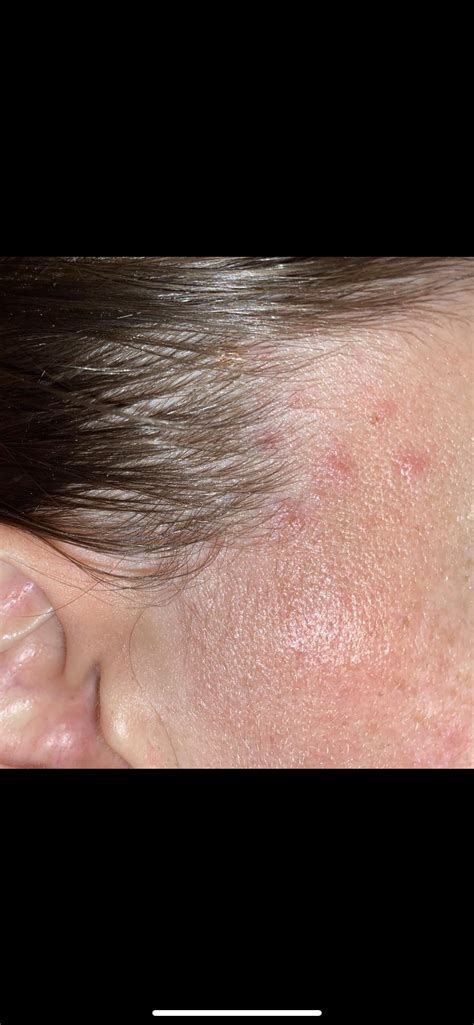
A significant number of reactions do not appear immediately but rather 24-72 hours after dyeing. These delayed reactions often result in persistent itching, swelling, or burning across the scalp or behind the ears. During winter months, these symptoms can be mistaken for dryness.
Anaphylactic Shock
In rare and severe cases, a hair dye allergy can lead to anaphylactic shock, a medical emergency. Symptoms include:
- Skin reactions (stinging, burning, swelling, rash)
- Swelling of the throat and tongue
- Difficulty breathing
- Fainting
- Nausea and vomiting
- A drop in blood pressure with a fast heart rate
Anyone experiencing these symptoms requires immediate medical attention by calling emergency services or going to the nearest emergency room.
Diagnosis of Hair Dye Allergies
One of the challenges in diagnosing a PPD reaction is that symptoms often do not appear until the second use of the product. The body becomes allergically sensitized to a substance upon the first exposure, and subsequent applications can trigger a reaction. Reactions may also become more severe with repeated use.
If you have had a reaction to hair dye, a doctor may refer you to a dermatologist for a patch test. This procedure involves applying small amounts of potential allergens to the skin to identify specific triggers.
Treatment and Management of Hair Dye Rash
Immediate Actions
If you experience a reaction while the dye is still on your hair, wash it out immediately with warm water and a mild shampoo. For immediate, mild reactions after rinsing, applying a solution of 2% hydrogen peroxide can help oxidize any remaining PPD, rendering it non-reactive. However, this should be avoided if it exacerbates symptoms.
Home Care
For reactions that occur after dyeing, several home care strategies can provide relief:
- Topical Corticosteroid Creams: Over-the-counter creams (0.5-1% hydrocortisone) can help ease discomfort and inflammation associated with contact dermatitis. For more severe reactions, a prescription-strength cream or oral steroid therapy may be necessary.
- Antihistamines: Oral antihistamines, such as Benadryl, can help reduce skin inflammation and itching.
- Emollients and Natural Creams: Gentle creams, olive oil, or lime compresses can help soothe irritated skin. Avoid creams containing alcohol or harsh chemicals that may worsen irritation.
- Petroleum Jelly: Applying petroleum jelly along the hairline, ears, and neck before dyeing can protect the skin from dye contact.
It is important to note that skin creams and ointments can be flammable and should be kept away from open flames.
Medical Intervention
If home treatments are insufficient or symptoms worsen, consult a doctor. They may prescribe stronger steroid creams or tablets, or oral antihistamines. For persistent issues, referral to a dermatologist for further patch testing may be recommended.
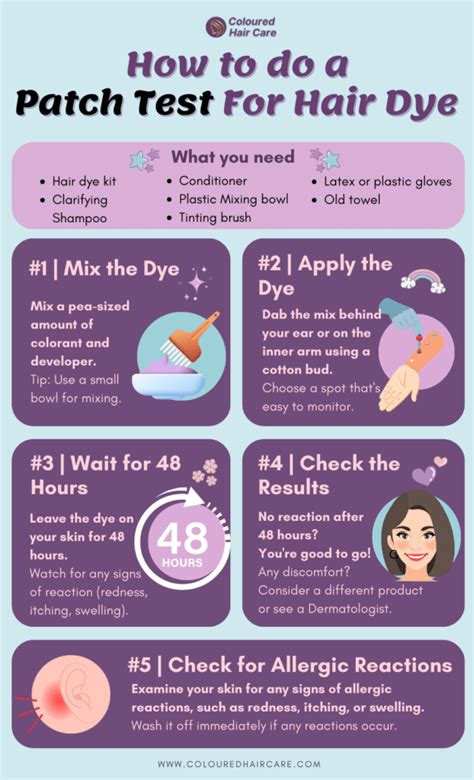
How to Do a Hair Dye Patch Test : Hair Care Advice
Preventing Hair Dye Reactions
Patch Testing
The most crucial step in preventing a reaction is to perform a patch test 48 hours before applying hair dye, even if you have used the same product before. Apply a small amount of the mixed dye to an inconspicuous area of skin (e.g., behind the ear or on the inner elbow). If any swelling, redness, burning, or itching occurs, do not use the dye.
Choosing PPD-Free Dyes
If you have a known allergy or sensitivity to PPD, opt for PPD-free hair dyes. While there isn't a specific hair dye for eczema sufferers, PPD-free options are generally less likely to cause a reaction. Always check the ingredient list.
Alternative Hair Coloring Options
For those seeking to avoid PPD and other potential allergens, several alternatives exist:
- Henna: True henna, derived from crushed plant matter, typically results in an orangish to red-brown color. It is generally considered more allergy-friendly, but a patch test is still advised. Be cautious, as many products marketed as henna may contain added PPD.
- Indigo and Vegetable-Based Dyes: These natural options can be safer alternatives.
- Semi-Permanent Dyes: Some semi-permanent dyes, especially those certified by independent laboratories to be free of chemical additives, may be suitable.
- Low-Sensitizer Dyes: Some stylists can recommend gentler formulations or semi-permanent, deposit-only colors.
The color options for some alternative dyes may be more limited.
General Precautions
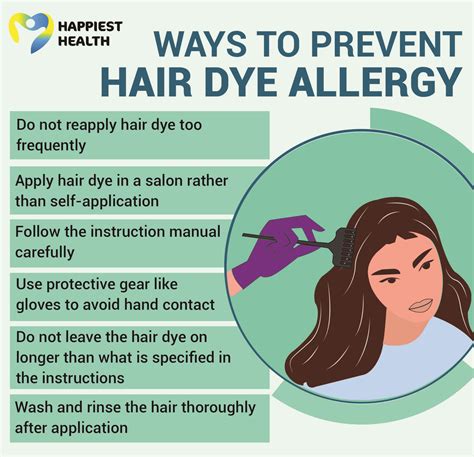
- Follow Instructions Carefully: Adhere strictly to the instructions provided with the hair dye product, especially regarding application time.
- Wear Gloves: Always wear gloves when handling and applying hair dye.
- Protect Your Skin: Cover sensitive areas like the hairline, ears, and neck with petroleum jelly to prevent dye from spreading.
- Thorough Rinsing: Ensure the hair and scalp are thoroughly washed and rinsed after application to remove any residual dye.
- Unwashed Hair for Salon Visits: Some stylists recommend coming to the salon with unwashed hair, as natural scalp oils can offer a protective layer.
- Avoid Scratching: Refrain from scratching an itchy scalp, as this can worsen irritation and potentially lead to infection.
- Be Aware of Other Exposures: If you have had black henna tattoos, you may have been exposed to high levels of PPD, potentially sensitizing your system to hair dyes.