While tranexamic acid is a skincare ingredient well-known to dermatologists, many individuals are only recently becoming familiar with its potent benefits. Its popularity is set to surge, with Beauty Pie’s Trends Report 2025 identifying it as the second biggest ingredient trend of the year. This prediction is backed by a significant increase in interest, with Google searches and social media mentions showing a 107% rise in the latter half of 2024, outpacing other popular actives like niacinamide and azelaic acid.
Why Tranexamic Acid is Gaining Traction
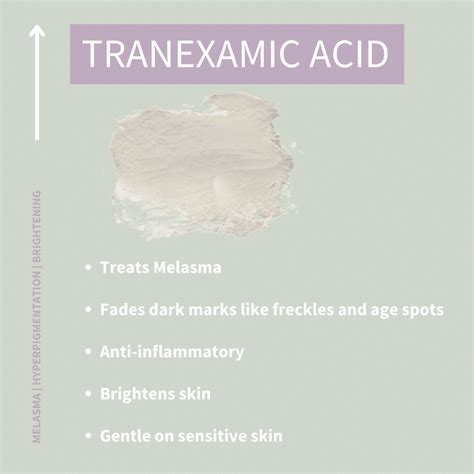
Dermatologists emphasize that the growing interest in tranexamic acid is entirely justified, particularly due to its high efficacy in preventing and treating blemishes, hyperpigmentation, and melasma. Dr. Carlos Morales Raya, director of his eponymous clinic, explains that tranexamic acid exhibits a potent depigmenting effect by interfering with the pathway that triggers excessive melanin production, the cause of dark spots.
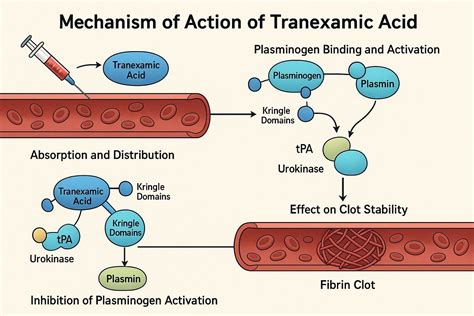
“In dermatology, it has been found to have a potent depigmenting effect, as it interferes in the pathway that activates the excessive production of melanin, responsible for dark spots on the skin,” explains dermatologist Carlos Morales Raya. He further elaborates on its mechanism: “Tranexamic acid is a synthetic derivative of lysine that acts by inhibiting the activation of plasminogen, a key protein in the degradation of blood clots and inflammation.”
A Historical Perspective and Skincare Evolution
Originally discovered in the 1960s for its use in controlling hemorrhages and heavy menstrual bleeding, tranexamic acid's potential in skincare was recognized decades later. Doctors observed that patients undergoing treatment with tranexamic acid also experienced an improvement in their skin hyperpigmentation. This led to its current status as one of the most effective active ingredients for treating blemishes associated with inflammatory processes, such as acne, and hormonal conditions like melasma, which are notoriously challenging to manage.
A significant advantage of tranexamic acid is its excellent tolerability, making it suitable even for sensitive skin or for individuals who cannot use more aggressive depigmenting agents like hydroxy acids. “It has the advantage of being very well tolerated, even on sensitive skin or by those who cannot use other more aggressive de-pigmenters such as hydroxy acids,” Morales Raya explains.
The Nuance of "Best" Ingredient
However, Dr. Morales Raya is quick to caution against definitive claims of tranexamic acid being the single "best" ingredient. “There is no single best active for blemishes,” he states. “The ideal is a multifactorial approach: We combine tranexamic acid with other ingredients such as niacinamide, kojic acid, or vitamin C, depending on the patient’s needs. We also usually complement with in-office treatments, such as laser, peels, mesotherapy, microneedling, or oral treatment in certain cases.”
Versatile Applications of Topical Tranexamic Acid
Topical applications of tranexamic acid can address a variety of skin concerns. According to Dr. Morales Raya, the most common uses include:
- Treating melasma: Addressing the dark spots that can appear on the upper lip, cheeks, and forehead, often due to hormonal changes during pregnancy or other endocrine issues.
- Treating acne marks: It is used for post-inflammatory hyperpigmentation, such as the spots that persist after acne breakouts or medical procedures. “We use it in patients with post-inflammatory hyperpigmentation, such as spots that remain after acne or after medical procedures,” explains Morales Raya.
- Managing rosacea: Tranexamic acid helps by targeting the inflammatory component of the skin.
- An alternative for sensitive skin: It serves as an option for individuals whose skin cannot tolerate more aggressive active ingredients. “It has an excellent safety profile and does not sensitize the skin to the sun as much as other products,” notes the doctor.
- Treating under-eye dark circles: It can be effective for dark circles caused by excess melanin or inflammation. “Studies suggest that it can lighten dark circles over time, reducing the depth of color and making the skin under the eyes look more even and luminous,” says the expert.
Product Formulations and Dermatological Consultation
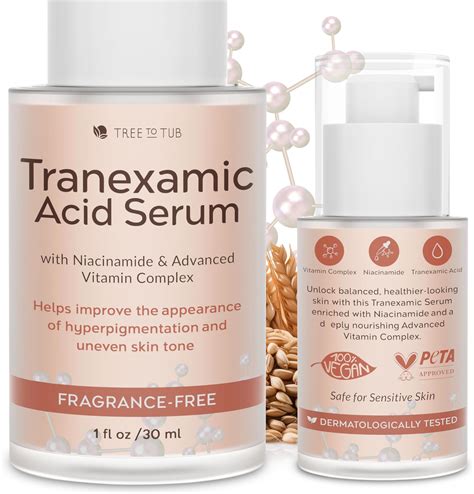
Tranexamic acid is a highly versatile ingredient, available in various formulations. However, consulting with a dermatologist is crucial to optimize its use and potential benefits, especially when considering combinations with other active ingredients.
What Are The Benefits Of Tranexamic Acid For Melasma? - Skin Savvy Dermatology
tags: #best #ingredient #for #hyperpigmentation