Noncomedogenic oils play a crucial role in maintaining skin health, helping to keep dry skin supple and oily skin acne-free by not clogging pores. This allows the skin to breathe, remain hydrated, and prevents breakouts. Conversely, clogged pores, known as comedones, can lead to pimples, blackheads, whiteheads, or skin-toned bumps. These occur when pores become blocked with oil, debris, or dirt. Comedogenic oils and products containing them can cause these blockages, whereas noncomedogenic oils do not.
Many noncomedogenic oils possess anti-inflammatory properties and may also contain beneficial antioxidants, vitamins, and essential fatty acids like linoleic acid. These properties make them valuable whether used alone or as components in skincare products. They are frequently incorporated into moisturizers and skin creams, and some can be applied directly to the skin or used as carrier oils to help deliver other oils, such as essential oils, to the skin.
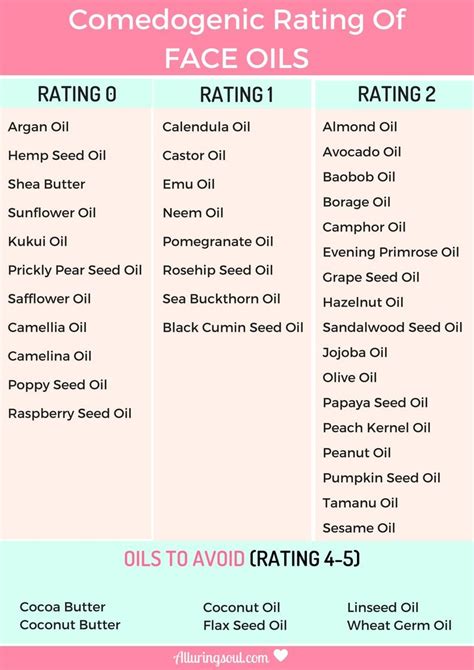
Experimenting with various noncomedogenic oils can help individuals discover which ones are most effective for their skin. The comedogenic scale rates products from 0 (least likely to clog pores) to 5 (most likely). Oils with lower ratings, typically 0-2, are generally considered safe for most skin types.
Exploring Various Noncomedogenic Oils
Several noncomedogenic oils are available, each with unique benefits:
- Grapeseed oil: Its color varies depending on the grape source. It is rich in antioxidants, linoleic acid, and vitamin E. Animal studies suggest it may aid in wound care.
- Sunflower seed oil: This light and thin oil can be used as a carrier oil or on its own. It is high in beta-carotene, vitamin E, and fatty acids essential for skin barrier repair. Research indicates topical application can improve skin barrier function, even in newborns. It is rated 0 on the comedogenic scale.
- Neem oil: Known for its pungent odor and high antioxidant content, neem oil is used medicinally in Ayurvedic and Chinese traditions. Its antibacterial and antifungal properties make it effective for wound care and as a spot treatment for acne.
- Hempseed oil: An excellent noncomedogenic oil for dry skin, hempseed oil may reduce symptoms of atopic dermatitis. It contains vitamins C and E, along with essential fatty acids, and has a comedogenic rating of 0.
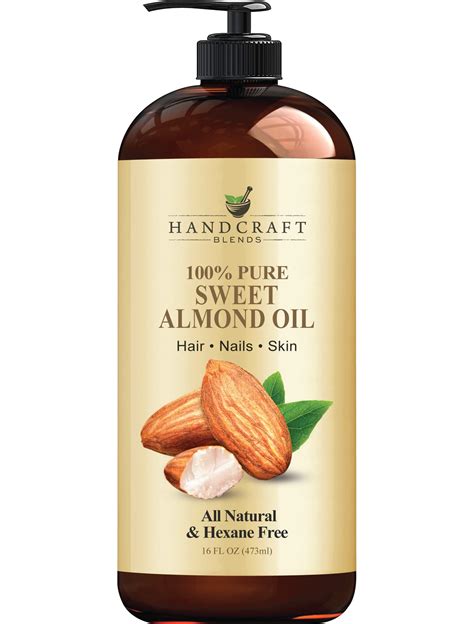
- Sweet almond oil: This gently scented, light oil is rich in fatty acids. Studies show moisturizers containing sweet almond oil can be effective for severe hand dermatitis and may help reduce psoriasis symptoms.
- Rosehip seed oil: This noncomedogenic oil is a potent source of antioxidants, vitamins C, A, E, K, and essential fatty acids like linoleic acid. It is lightweight, easily absorbed, and its vitamin C content helps brighten and even skin tone, while also addressing fine lines and wrinkles. It is rated 1 on the comedogenic scale.
- Camellia oil: Cold-pressed camellia oil is a significant source of oleic acid, beneficial for dry skin, sun damage, and other skin conditions.
- Argan oil: Rich in antioxidants and possessing anti-inflammatory properties, argan oil is beneficial for various skin conditions and aids in wound healing by promoting new skin formation.
- Jojoba oil: This noncomedogenic oil has antimicrobial and antioxidant properties, assisting in the healing of wounds and sunburns. Its vitamin E content can also help reduce scars.
The Role of Noncomedogenic Oils in Skincare Routines
Because noncomedogenic oils do not clog pores, they are suitable for a wide range of skin types, from dry to oily. For instance, grapeseed oil can help reduce fine lines and wrinkles on dry skin and can also be used as a spot treatment for pimples. It also serves well as a massage oil for the body or scalp.
When incorporated into moisturizers for oily skin, noncomedogenic oils help retain moisture without causing breakouts. Sweet almond oil and other similar oils can be used as lip balm for dry, chapped lips, and can add moisture to areas prone to dryness, such as cuticles, elbows, and knees.
Sunflower seed oil is an excellent moisturizer when applied to damp skin after bathing. Noncomedogenic oils can also be used for facial cleansing; apply them like a mask, followed by gentle steaming and removal with a warm towel.
Important Considerations Before Using New Oils
Before applying any new oil to the face or body, it is crucial to perform a patch test. Apply a small amount of the oil to your inner wrist and wait 24 hours to check for any adverse reactions before using it more widely.
Avoid internal use or application near the eyes unless the product is confirmed safe for those areas. Some oils, like neem oil, can be toxic if ingested.
Opt for high-quality oils with no added ingredients; organic options are often preferable. Always check expiration dates and discard any oil that smells rancid. Follow storage instructions, as some oils require refrigeration while others can be stored at room temperature.
Pregnant or breastfeeding individuals should consult their doctor before using new oils or products. Do not use any oil derived from a plant to which you have allergies. Discontinue use immediately if an adverse reaction, such as itching or a rash, occurs. Seek medical attention for severe allergic reactions, including breathing difficulties, swelling, or hives. Consult a doctor for persistent pimples or personalized skincare advice.
Sweet Almond Oil: A Closer Look
There is often a perceived conflict for those with acne-prone skin when considering facial oils. While oils can moisturize, smooth, and plump the skin, there's a concern about pore clogging and breakouts. However, not all face oils are the same, and many are suitable for acne-prone skin without causing pore blockage.
Sweet almond oil is highlighted as a beneficial option for acne-prone skin. Dermatologists consider it an underrated ingredient for this skin type. It is important to distinguish between sweet almond oil and bitter almond oil, as only sweet almond oil is recommended for topical use.
Sweet almond oil is praised for its anti-inflammatory fatty acids and vitamins A and E, offering excellent moisturizing and antioxidant properties. It acts as an emollient, smoothing rough skin, and an occlusive agent, sealing in moisture. The antioxidants, particularly vitamin E, protect the skin from free radical damage caused by unstable oxygen molecules.
The oil is rich in antioxidants like vitamin E, monounsaturated omega fatty acids, proteins, potassium, and zinc. It is mild and hypoallergenic, making it safe for sensitive skin. Its fatty acids moisturize the skin and hair, while vitamin E provides antioxidant protection against UV rays and pollution. Its anti-inflammatory properties soothe irritated skin, and it is considered a great emollient, with anecdotal evidence suggesting it may help rejuvenate damaged skin.
Key Components of Sweet Almond Oil
- Vitamin A: May improve skin texture and tone.
- Vitamin E: An antioxidant that protects skin cells from oxidative stress and helps retain moisture.
- Fatty Acids: Provide anti-inflammatory benefits and strengthen the skin barrier.
- Zinc: Offers antioxidant and soothing properties, beneficial for inflammatory skin conditions like acne, and aids in wound healing.
Almond Oil and Acne-Prone Skin
Sweet almond oil is suitable for acne-prone skin due to its zinc and vitamin A content, as well as its anti-inflammatory properties. Crucially, its comedogenic potential is low, rating a 2 on a scale of 5, meaning it is less likely to clog pores and contribute to acne formation compared to heavier oils.
While it may be a good option for those who have struggled with other face oils, individuals with severely acne-prone skin might still benefit from an entirely oil-free routine. Sweet almond oil may not necessarily treat acne but is less likely to exacerbate it.
It is important to note that while almond oil is mostly noncomedogenic, ingredients like salicylic acid are often recommended for directly treating clogged pores and acne.
Who Should and Shouldn't Use Almond Oil
Almond oil is generally well-tolerated by most skin types. However, individuals with allergies to almonds or tree nuts should avoid it due to the risk of an allergic reaction. A patch test is always recommended before incorporating any new skincare product.
The comedogenic rating of sweet almond oil is generally considered to be 2 out of 5, indicating a low to moderate risk of clogging pores. This makes it a relatively safe choice for most skin types, but caution is advised for those with very oily or acne-prone skin. While it may not be highly comedogenic, individuals with acne-prone skin should use it sparingly and consider patch testing first or consulting a dermatologist.
The oil's light texture and moisturizing properties can be beneficial, but individual reactions vary. Despite its moderate comedogenic rating, sweet almond oil offers benefits such as moisturizing, reducing inflammation, and providing essential nutrients like vitamins A and E, contributing to skin nourishment and improved complexion without being overly heavy.
To minimize the risk of clogged pores, use sweet almond oil sparingly, perhaps only on areas of the skin that are not excessively oily. Mixing it with other non-comedogenic oils or using it as part of a cleansing routine to remove dirt and makeup can also reduce risk. Always ensure the skin is thoroughly cleansed after use.
Recommendations for Using Sweet Almond Oil
Pure sweet almond oil, such as premium-grade, unrefined, cold-pressed, and USDA-certified organic versions, is available. Some formulations combine sweet almond oil with other beneficial ingredients:
- Gentle Cleansing Milk: Utilizes sweet almond oil with aloe and vitamin E to cleanse, nourish, and soften stressed skin.
- Lightweight Moisturizers: Products containing sweet almond oil, macadamia nut oil, and avocado oil hydrate and support the skin barrier, often being fragrance-free and suitable for sensitive skin.
- Creamy Body Lotions: Formulations with sweet almond oil, glycerin, coconut oil, and shea butter offer humectant, emollient, and occlusive properties.
- Vitamin C-Spiked Body Lotions: These combine humectants, emollients like sweet almond oil and argan oil, and occlusives to hydrate, support the skin barrier, and lock in moisture, often with added brightening and firming benefits.
- Anti-Aging Body Products: Some formulations incorporate sweet almond oil for its nourishing and rejuvenating properties.
When using sweet almond oil on the face, two to three drops are typically sufficient for the entire face. Applying it to damp skin can help it spread more easily and absorb quicker. For those concerned about potential reactions, applying almond oil to a small area, like the jawline, for a week can help assess tolerance.
Signs that might suggest almond oil is clogging pores include tiny bumps on the forehead, more whiteheads around the nose and chin, increased blackheads, or makeup not sitting smoothly. However, these signs do not always confirm pore-clogging issues, and with thoughtful use, many enjoy its benefits without trouble.
If almond oil does clog pores, the congestion can appear within a few days to one or two weeks. Typically, clogged pores clear with gentle exfoliation and proper cleansing once use is discontinued.