Heat rash, also known as prickly heat or miliaria, is a common skin condition in dogs, particularly affecting certain breeds and those living in specific environmental conditions. Breeds with prominent skin folds, such as Pugs and Shar-Peis, or dogs that are overweight with excess or loose skin, are especially susceptible to developing this condition.
The occurrence of heat rash is most frequent during warmer months, especially in regions characterized by high humidity and prevalent heat, such as tropical climates. The combination of elevated temperatures and intense humidity creates an ideal environment for heat rash to develop, particularly in breeds that are more prone to it, including those with thick fur or excess skin. Dogs exposed to prolonged periods of heat, coupled with high atmospheric moisture, can experience exacerbated skin irritation, leading to symptoms like itchy rashes, redness, and bumps.
Recognizing and addressing the early signs of heat rash in dogs is crucial, as untreated cases can worsen and potentially lead to secondary infections. Understanding the causes, symptoms, and effective treatments can help ensure your canine companion remains comfortable and healthy throughout the year.
Differentiating Heat Rash from Other Skin Conditions
It is important to distinguish heat rash from other common skin issues in dogs, such as hot spots and allergy bumps, as they have unique causes and symptoms. This distinction is key for appropriate diagnosis and treatment.
Heat Rash
Heat rash typically manifests during hot and humid weather. It appears as red, irritated skin with small bumps or sores, often found on the belly, in the armpits, or within skin folds. Heat rash occurs when a dog’s skin is exposed to excessive heat and moisture, especially in areas with limited airflow.
Hot Spots
Hot spots, also known as acute moist dermatitis, are characterized by moist, inflamed areas of skin that can develop rapidly. They are often a result of excessive licking, scratching, or biting, and can quickly become infected. Hot spots are typically caused by an underlying allergic process or irritation and are exacerbated by the dog’s own scratching and licking.
Allergy Bumps
Allergy bumps, or hives, appear as small welts on the skin. They are typically caused by allergic reactions to various factors, including food, environmental elements like pollen or dust mites, or parasites such as fleas. Insect bites or stings can also cause similar reactions.
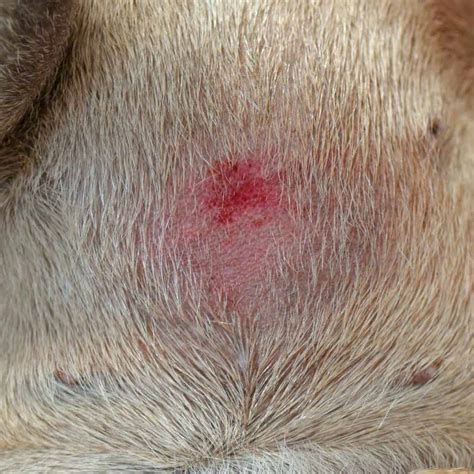
Causes and Contributing Factors of Heat Rash in Dogs
Heat rash in dogs is primarily caused by the body's inability to effectively release heat, leading to irritation of the sweat glands. Several factors can increase a dog's susceptibility to developing this condition.
Overheating and Moisture
Heat rash occurs when a dog's skin is exposed to excessive heat and moisture. Dogs rely heavily on panting to regulate their body temperature, as they do not sweat efficiently across their entire body like humans. When panting becomes ineffective in dissipating heat, especially in hot and humid conditions, the skin can become irritated.
Breed Predispositions
Certain breeds are more prone to heat rash due to their physical characteristics. Dogs with:
- Skin Folds: Breeds like Pugs, Shar-Peis, Bulldogs, Pekingese, and Boxers have deep skin folds that trap heat and moisture, creating an ideal environment for bacterial and fungal growth, thus increasing the risk of heat rash and infections.
- Thick or Dense Coats: Breeds such as Huskies, Golden Retrievers, and German Shepherds have thick fur that makes it harder for them to dissipate heat, leading to easier overheating.
- Excess Weight: Overweight dogs often have more loose skin and folds, which can contribute to heat retention and moisture buildup.
Environmental Conditions
High temperatures and humidity are the primary environmental triggers for heat rash. Dogs living in or visiting areas with tropical or subtropical climates, like South Florida, are particularly at risk during warmer months when heat and humidity are consistently high.
Other Contributing Factors
- Lack of Airflow: Heat rash commonly develops in areas with little natural airflow, such as the belly, armpits, and skin folds.
- Bandages or Wrappings: Applying a bandage or wrapping to a dog’s skin can trap moisture against it, exacerbating the problem and worsening a rash.
- Lingering Moisture: After swimming or bathing, if a dog is not thoroughly dried, the lingering moisture on the skin can create an environment conducive to bacterial and fungal growth, increasing the risk of infection and irritation.
- Underlying Health Issues: While not a direct cause of heat rash, conditions like fevers can increase a dog's susceptibility to overheating. Dogs with a history of dermatitis, hot spots, or other skin conditions may also be more likely to develop heat rash.
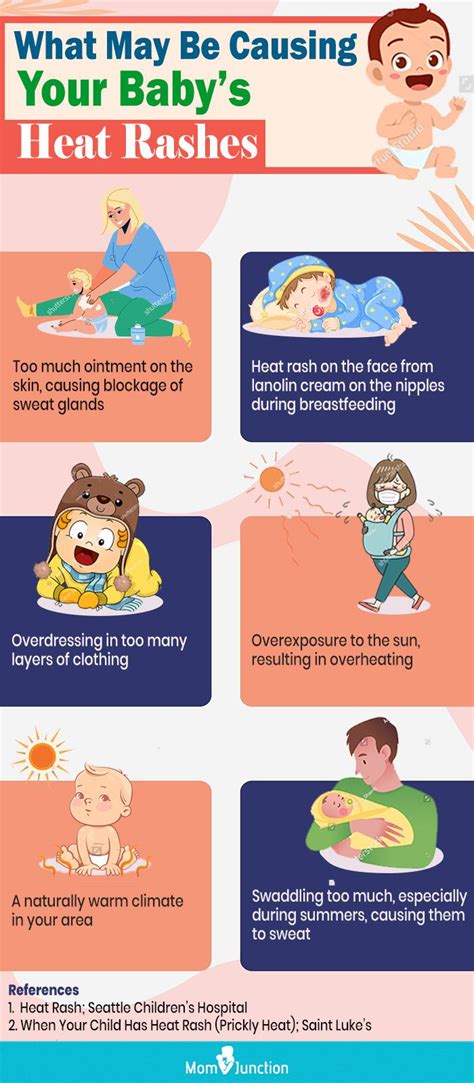
Recognizing the Signs and Symptoms of Heat Rash
Early detection of heat rash is essential for prompt treatment and to prevent complications. Pet parents should be aware of the various signs their dog might exhibit.
Visible Skin Changes
The most noticeable signs of heat rash include:
- Redness or inflammation of the skin.
- Small, red bumps, pimples, or pustules.
- Sores or scabs.
- Irritated-looking skin.
These symptoms often appear on areas of the body where the skin is softer, more sensitive, and has less fur, such as the belly, groin, armpits, and within skin folds.
Behavioral Indicators
Dogs experiencing heat rash may display behavioral changes due to discomfort and itching:
- Excessive Itchiness: The affected area can become intensely itchy, leading the dog to constantly lick, scratch, or chew at the rash.
- Discomfort and Irritability: Dogs may seem restless, avoid certain movements that aggravate the rash, or act differently due to the irritation.
- Tenderness: The rash area might be tender to the touch, causing the dog to show signs of discomfort if the area is handled.
Other Potential Signs
- Foul Skin Odor: If the rash becomes infected, a foul odor may develop.
- Bleeding: Persistent scratching or licking can lead to bleeding of the affected skin.
- Signs of Infection: Worsening redness, increased heat in the area, swelling, or oozing can indicate a secondary bacterial or fungal infection.
It is important to note that some of these symptoms can overlap with other skin conditions. Therefore, consulting a veterinarian for an accurate diagnosis is crucial.
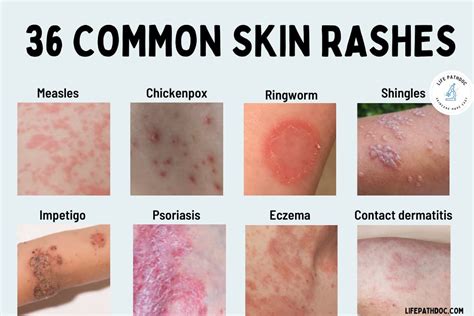
Treatment Options for Heat Rash in Dogs
The approach to treating heat rash in dogs depends on the severity of the condition. Mild cases can often be managed at home with supportive care, while more severe or infected rashes require veterinary intervention.
Home Care for Mild Cases
For mild heat rash, the primary goals are to cool the skin, reduce irritation, and prevent infection. Effective home care strategies include:
- Cooling the Affected Area: Applying a cool, damp cloth to the rash can provide immediate relief from discomfort and reduce inflammation.
- Improving Air Circulation: Ensure the dog is in a cool, well-ventilated environment. Avoid prolonged exposure to heat and humidity.
- Keeping the Skin Dry: After bathing or swimming, thoroughly dry all skin folds, armpits, and the belly to prevent moisture buildup.
- Gentle Cleaning: Clean the affected area with a mild, antiseptic solution recommended by a veterinarian. This helps prevent infection.
- Aloe Vera: Pure aloe vera gel (ensure it's safe for dogs and not ingested in large quantities, as it can cause gastrointestinal upset) can be applied to soothe irritated skin. Avoid products containing alcohol or other harsh chemicals.
Veterinary Treatment
If the heat rash does not improve with home care, spreads, shows signs of infection, or causes significant discomfort, veterinary attention is necessary. Veterinarians may recommend or prescribe:
- Topical Treatments: Veterinarian-approved topical creams or ointments, such as those containing hydrocortisone, can help reduce inflammation and itching. These should be used as directed by your vet, typically for no more than three days.
- Medicated Shampoos: Shampoos with antiseptic or antifungal properties can help manage infections and soothe the skin.
- Oral Medications: For bacterial or fungal infections, a veterinarian may prescribe oral antibiotics or antifungal medications. Steroids or antihistamines might be recommended to control inflammation and itching in more severe cases.
- Preventing Licking: To ensure topical treatments are effective and to prevent further skin damage, a veterinarian might suggest using an Elizabethan collar (cone) or a soft wrap to stop the dog from licking or chewing the affected area.
Important Note: Never use human shampoos or creams on your dog without consulting your veterinarian, as they may contain ingredients that are harmful to canines.
Hydrocortisone Cream for Dogs What Is It and How to Use It Safely
Preventing Heat Rash in Dogs
Prevention is key to keeping your dog comfortable and avoiding the discomfort and potential complications associated with heat rash. Implementing proactive measures can significantly reduce the risk.
Managing Heat and Humidity Exposure
- Limit Outdoor Activity in Hot Weather: Avoid strenuous exercise and prolonged outdoor exposure during the hottest parts of the day, typically between 11 am and 4 pm. Opt for walks and play in the early morning or late evening.
- Provide Shade and Water: Ensure your dog always has access to ample shade when outdoors and plenty of fresh, cool drinking water to help regulate their body temperature.
- Cooling Methods: Offer ways for your dog to cool down, such as a splash of water from a hose, a sprinkler, or a shallow dog pool.
- Indoor Environment: Keep your dog indoors in a cool, well-ventilated environment during excessively hot and humid weather. Air conditioning can be very beneficial.
Maintaining Skin Health
- Thorough Drying: After swimming, bathing, or getting wet, meticulously dry all areas prone to moisture, especially skin folds, armpits, and the belly. Use a soft towel and ensure complete dryness. For dogs with long or dense coats, a blow dryer on a cool setting may be necessary.
- Regular Grooming: Regular grooming, including brushing to remove mats, can help improve air circulation to the skin. For breeds prone to skin folds, gentle cleaning and drying of these areas are essential.
Other Preventative Measures
- Avoid Tight Bandages: If your dog needs bandages or wraps, ensure they are not too tight and allow for air circulation.
- Monitor Weight: Maintaining a healthy weight can reduce the amount of loose skin and skin folds, thereby decreasing susceptibility to heat rash.
- Parasite Prevention: While not a direct cause of heat rash, good external parasite management (fleas, ticks) is crucial for overall skin health and can prevent secondary issues that might exacerbate skin irritation.

When to Seek Veterinary Attention
While some mild cases of heat rash can be managed at home, it is crucial to know when to consult a veterinarian. Prompt veterinary care is essential if:
- The rash does not improve with home treatment within a few days.
- The rash is spreading or worsening.
- There are visible signs of infection, such as increased redness, swelling, heat, oozing, or a foul odor.
- Your dog is experiencing significant discomfort, pain, or behavioral changes.
- You are unsure of the diagnosis and suspect another condition like allergies, infections, or parasites.
A veterinarian can accurately diagnose the condition, rule out other potential skin issues, and prescribe the most effective treatment to ensure your dog's rapid recovery and prevent long-term complications.