Understanding the ingredients in your skincare products is crucial for making informed choices about your skin's health. This guide delves into common ingredients found in cleansers, explaining their functions and benefits.
The Foundation: Water and Emollients
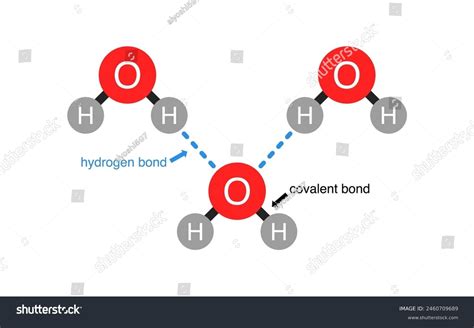
Water, or H2O, is the most common skincare ingredient. In cosmetics, it is purified and deionized, meaning mineral ions are removed to ensure purity and efficacy.
Cetearyl Alcohol is an emollient that provides a soft feel to the skin and gives body to creams and lotions. It also aids in stabilizing oil-water mixtures (emulsions) without acting as an emulsifier itself. Chemically, it is a fatty alcohol, a blend of cetyl and stearyl alcohol, possessing properties distinct from drying alcohols like denatured alcohol.
Propanediol is presented as a natural alternative to propylene glycol, often viewed negatively in skincare.
Nourishing Oils and Protective Esters
Jojoba oil is derived from the seeds of the jojoba shrub, a drought-resistant plant native to North America. This golden-yellow liquid is notable for being a wax ester, a unique chemical structure composed of a fatty acid and a fatty alcohol. This composition imparts exceptional stability, resisting degradation even under high heat.
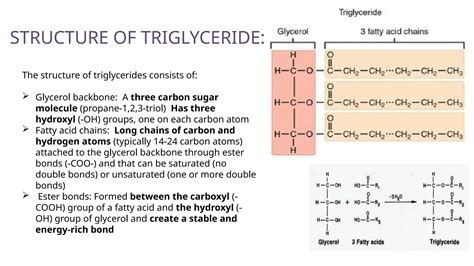
Chemically, oils are triglycerides (one glycerin molecule bonded to three fatty acids). In contrast, wax esters are a single long molecule formed from a fatty acid and a fatty alcohol. This structure is found on the surface of plant leaves, providing environmental protection. The significance of jojoba oil lies in its similarity to human sebum, the natural oil produced by our skin. As both are wax esters, they are completely miscible, meaning they can blend seamlessly.
Cleansing Agents and Foaming Agents
A soft, mild cleansing agent with an amphoteric structure is characterized by a head that contains both positively and negatively charged parts. This contrasts with most surfactants, which are anionic, possessing only a negative charge in their head group.
Coconut or palm kernel oil and glucose form the basis of a vegetable-derived cleansing agent known for its excellent foaming abilities.
Hydration and Skin Protection
Sorbitol, a sugar substitute, helps the skin retain moisture when incorporated into cosmetic products.
Avena Sativa Kernel Extract, a finely powdered form of oat extract, offers skin-soothing, protecting, and antioxidant benefits. It is rich in beneficial compounds like the anti-inflammatory agent beta-glucan, skin-nourishing lipids, and moisturizing carbohydrates, making it particularly good for dry, irritated, inflamed, or eczema-prone skin.
Colloidal oatmeal, the finely ground version of whole oat kernels, provides similar benefits, especially for dry, itchy, or rash-prone skin. Oats contain soothing agents like beta-glucan (around 5%), lipids (3-11%) including barrier-repairing omega-3 and 6 fatty acids, and phenolic antioxidants and anti-inflammatory agents (avenanthramides). Its efficacy is recognized by the FDA's OTC Skin Protectant monograph in the US, allowing it to be listed as an active ingredient.
Skin Barrier Support: Ceramides and Cholesterol
Ceramides are naturally occurring lipids that make up approximately 50% of the intercellular "glue" in the upper layer of the skin. They play a vital role in maintaining a healthy skin barrier and ensuring proper skin hydration.
Specific types of ceramides, like the one mentioned, are found naturally in the upper layer of the skin.
Cholesterol is another essential lipid, constituting about 25% of the intercellular lipids in the skin's outer layer.
Texture Enhancers and Thickeners
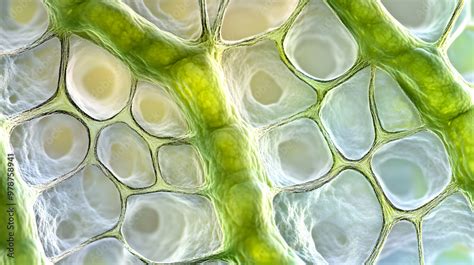
Cellulose, a natural polymer derived from the cell walls of green plants, is used to thicken cosmetic products and create gel formulations. It is compatible with most ingredients and provides a smooth feel to the product. It is also described as a natural and sustainable ingredient that can improve formula absorption and reduce skin oiliness.
Sodium chloride, commonly known as salt, is frequently found in cleansing formulas. In cleansers using ionic surfactants, salt acts as a thickener. Even a small percentage (typically 1-3%) can transform a runny solution into a gel-like texture. This occurs because electrolytes in salt screen the electrostatic repulsion between surfactant head groups, promoting the formation of elongated micelles that entangle, creating a gel. Salt also functions as an emulsion stabilizer in water-in-oil emulsions.
pH Adjusters and Preservatives
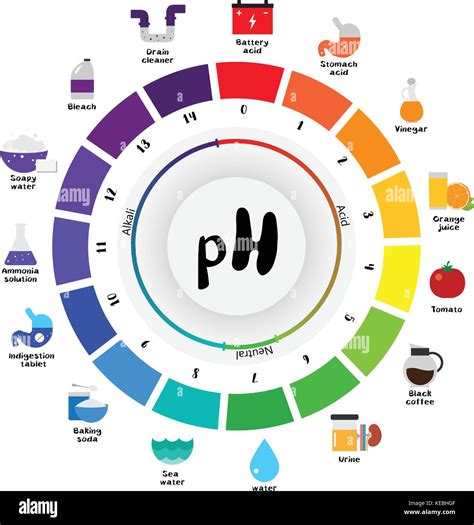
Vinegar (Acetum), essentially a solution of acetic acid, is used in cosmetic products to adjust the pH.
Bioseccharide Gum-1 is a skin-protecting ingredient produced through enzymatic synthesis from natural sugars. It is claimed to be a bio-selective substrate that supports beneficial skin microflora while not promoting the growth of pathogens.
Sodium hydroxide, also known as lye, is a highly alkaline substance used in small amounts to adjust the pH of cosmetic products, which is critical for the efficacy of ingredients like AHAs and BHAs. Historically, lye was used in soap making. While potent in its raw form, it is harmless once reacted in skincare formulations. It is also noted as a multi-tasking ingredient that imparts a soft feel to the skin.
Caprylyl glycol is a type of glycol that serves as a solvent and possesses significant antimicrobial properties, acting as a preservative booster. When blended with phenoxyethanol, it forms Optiphen, a preservative system that extends product shelf life and enhances product feel.
Phenoxyethanol is a common preservative that helps maintain product integrity over time. It is pH-dependent, functioning best at acidic pH levels (3-5).
Potassium sorbate is a preservative primarily effective against mold and yeast. It requires water and an acidic pH (3-4) to break down into its active form, sorbic acid. It is often used in conjunction with other preservatives due to its limited effectiveness against bacteria.
Specialized Ingredients
Jojoba oil is reiterated as a wax ester, chemically distinct from traditional oils, and highly similar to human sebum.
Amphoteric surfactants are mild cleansing agents whose molecular structure includes both positive and negative charges.
Vegetable origin cleansing agents derived from coconut or palm kernel oil and glucose are highlighted for their excellent foaming capabilities.
Gluconolactone is described as a next-generation AHA, specifically a PHA (Polyhydroxy Acid), which gently exfoliates without irritation, moisturizes, and supports the skin barrier.
Xanthan gum is a natural polymer produced from sugar molecules via fermentation. It functions as a thickener and emulsion stabilizer, transforming liquid formulas into a gel-like consistency. It is often combined with other rheology modifiers to achieve the desired texture and feel. While it can make formulas sticky on its own, it's a good team player in formulations.
Citric acid, derived from citrus fruits, is an AHA. However, studies suggest it has less potent skin-improving properties compared to glycolic or lactic acid.
Phytosphingosine is a type of lipid (sphingoid base) found naturally in the skin's outer layer. Emerging research indicates it possesses antimicrobial and cell-communicating properties, contributing to the skin's natural defense system. Studies suggest its effectiveness against acne-causing bacteria and its potential as an anti-inflammatory and antimicrobial agent for acne-prone skin.
Carbomer is a polymer of acrylic acid that thickens liquids into gels. It typically requires neutralization with a base (like sodium hydroxide) to achieve its viscous, clear, and non-tacky gel consistency. It is a common and popular ingredient, usually used at concentrations of 1% or less.