Pimples are a common skin concern that almost everyone experiences at some point. While numerous conventional treatments are available to clear up blemishes, many contain harsh chemicals that can lead to irritation or dryness. This has led some individuals to explore natural skincare remedies, with ice being a frequently discussed option due to its ease of use and perceived versatility. This article delves into whether ice, or more broadly, cold compresses, can effectively treat pimples, and when a warm compress might be a better choice.
Understanding How Pimples Form
A pimple typically develops when sebum (an oily substance) and skin cells clog a hair follicle. This blockage traps excess oil, cellular debris, and bacteria beneath the skin. When the walls of the plugged hair follicle rupture, the contents can spill into the surrounding skin tissue, potentially leading to the formation of more pimples and triggering inflammation.
The Role of Cold Compresses (Ice) for Pimples
Ice, or a cold compress, can be beneficial for certain types of pimples by helping to reduce redness, swelling, and pain associated with inflammation. This is particularly true for inflammatory pimples such as pustules and cysts. However, cold therapy may have limited or no effect on non-inflammatory pimples, like comedones (blackheads and whiteheads), as it cannot remove the contents within the pimple.
How to Apply a Cold Compress
When using ice or a cold pack on a pimple, it's important to follow general guidelines to ensure effectiveness and prevent skin damage:
- Begin by thoroughly washing the affected area with a gentle cleanser and warm water.
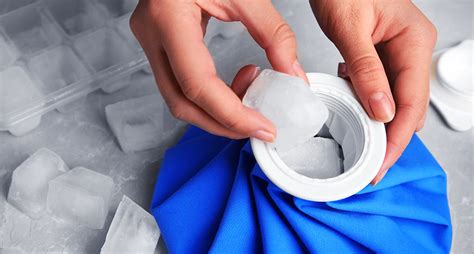
- Never apply ice directly to the skin. Always wrap ice cubes or an ice pack in a clean cloth or thin fabric.
- Apply the wrapped ice in short intervals, typically 30 seconds to 1 minute.
- Avoid falling asleep with a cold pack on the skin.
Applying Cold Compresses to Different Body Areas
Pimples can appear on various parts of the body, and while the principles of icing remain similar, application might vary:
- Face: For a single pimple on the face, a single wrapped ice cube can be applied at 1-minute intervals after cleansing and gently drying the area. Allow a few minutes between applications to prevent tissue damage. Ice cubes or packs can be incorporated into morning and evening skincare routines. Severely inflamed pimples may be iced multiple times a day, provided the skin is cleansed beforehand. A bag of frozen vegetables can be used as an alternative if ice packs are unavailable.
- Chest: Apply a wrapped ice cube to individual pimples on the chest at 1-minute intervals. For multiple pimples, a larger ice pack or a commercial ice pack may be more suitable. A DIY ice pack can be made by filling a plastic bag with ice cubes and water, then wrapping it in a clean dishcloth or thin fabric before application.
- Back: Reaching pimples on the back can be challenging. Consider using a larger ice pack or cold compress, holding it in place with your hands. If the spot is difficult to access, lying down on the ice pack or securing it with a compression wrap might help. Remove the ice pack if the skin begins to feel numb or itchy.
Potential Risks of Using Ice
While icing a pimple is generally safe, prolonged exposure to freezing temperatures can lead to frostbite or cold injury. This occurs when blood vessels constrict to conserve heat, reducing blood flow and potentially damaging skin tissue over time. Signs of frostbite include numbness, tingling, unnaturally pale skin surrounded by red, swollen tissue, peeling, blistering, or loss of skin layers.
Additionally, placing ice directly on the skin can cause cold urticaria, a condition characterized by welts, hives, and swelling after cold exposure. This reaction typically appears within 2-5 minutes after contact with cold air or water.
The Benefits of Warm Compresses for Pimples
While ice is effective for inflammatory pimples, heat can be more beneficial for non-inflamed, "blind" pimples. A blind pimple is a type of closed comedo that forms deep within the skin layers. It occurs when a plug of sebum and dead skin cells traps oil, bacteria, and dirt deep within a hair follicle, resulting in a painful lump under the skin without a visible head.
How Warm Compresses Work
Warm compresses and steam facials work by dilating pores, which helps to loosen the contents within them and draw excess oil and dirt to the surface. This process can help to bring a blind pimple to a head, facilitating its healing.
Applying a Warm Compress
To create a warm compress, soak a towel in hot water (ensuring it is hot but not scalding). Apply the warm, damp towel to the affected area for five to ten minutes, multiple times a day. This can help reduce the size and pain of a blind pimple.
Alternating Hot and Cold Compresses
For large, inflamed pimples, alternating between hot and cold compresses can be an effective treatment strategy. First, apply a warm compress to help draw out impurities. Then, follow up with a cold compress (like an ice cube wrapped in a cloth) to reduce swelling, discomfort, and redness. This cycle can be repeated daily until the pimple clears.
Important Note: Never follow up ice treatments with hot compresses, as this can damage the skin.
Complementary Treatments for Pimples
While ice can help reduce the symptoms of pimples, it may not be a standalone cure. It can be used in conjunction with other treatments:
- Over-the-counter (OTC) spot treatments: Products containing ingredients like benzoyl peroxide or salicylic acid can be effective.
- Natural remedies: Tea tree oil, witch hazel, and aloe vera gel are popular choices, though tea tree oil should be used with caution due to potential allergic reactions.
- Pimple patches: Hydrocolloid patches can help draw out impurities and protect the pimple from picking. Medicated patches with benzoyl peroxide can also help kill bacteria.
When to Seek Professional Help
If pimples are severe, persistent, or do not respond to home remedies and OTC treatments, it is advisable to consult a doctor or dermatologist. They can offer personalized treatment recommendations and prescribe topical or oral medications to address the root cause of acne, which may include hormone imbalances, overactive sebum glands, or bacterial overgrowth.
For deep, painful pimples like cystic acne that do not improve with home care, a dermatologist may offer treatments such as cortisone injections, which can rapidly reduce inflammation and pain.
The Different Types of Acne and How to Treat Them
Understanding Acne Scarring
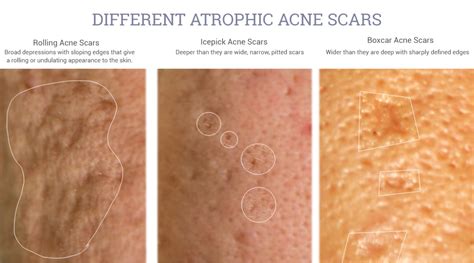
Acne scarring can occur when pimples damage the surrounding tissue. The body produces collagen to heal this damage, but an imbalance (too much or too little) can result in scars. Atrophic (depressed) scars form due to insufficient collagen, while raised scars result from overproduction. Cold skincare tools, such as cryorollers, may help improve depressed acne scars when used alongside medical treatments.
Key Takeaways
- Cold compresses are effective for reducing pain, redness, and swelling in inflammatory pimples (cysts, nodules, pustules, papules).
- Warm compresses are beneficial for non-inflammatory pimples, such as blind pimples, by helping to bring them to a head.
- Never apply ice or frozen objects directly to the skin; always wrap them in a cloth to prevent frostbite and skin damage.
- Avoid picking or popping pimples, as this can worsen inflammation, increase the risk of infection, and lead to scarring.
- If acne is severe or persistent, consult a dermatologist for professional diagnosis and treatment options.