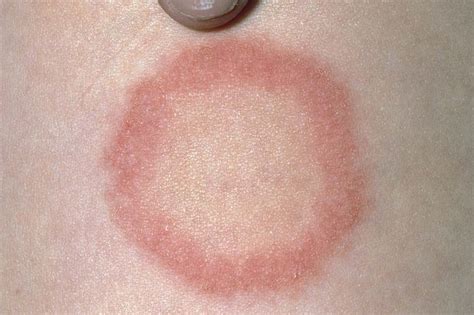
Ringworm, a common fungal infection affecting the scalp, skin, or nails, derives its name from the characteristic ring-shaped, itchy rash it produces. This rash typically appears as a red, circular lesion on lighter skin tones and as a gray or brown patch on darker skin. While the name suggests a vermiform cause, ringworm is, in fact, caused by various types of fungi, with the most common culprits being species of Trichophyton, Microsporum, and Epidermophyton. The infection can manifest in different forms, such as tinea pedis (athlete's foot) on the feet, tinea cruris (jock itch) in the groin area, and tinea capitis on the scalp. Fungal nail infections, known as onychomycosis, also fall under the umbrella of ringworm and can cause nails to discolor, thicken, and become brittle.
The history of understanding and treating ringworm is a long and complex one, stretching back to antiquity. Ancient Indian texts, such as the Charaka Samhita (c. second century BC), mention a condition called Dadru, whose description closely resembles ringworm. Similarly, ancient Greek and Roman physicians like Celsus (first century AD) described the cerion ulcer (kerion), a severe form of scalp ringworm, and Pliny the Elder (first century AD) referred to it as Lichen. Throughout the centuries, physicians across various cultures, including Arabic physicians like Rabban Tabri, documented and attempted to manage this persistent ailment.
The systematic study of skin diseases, including ringworm, began to gain momentum during the Renaissance and Enlightenment. Daniel Turner's "De Morbis Cutaneis" (1714) mentioned ringworm under the terms Lichen or Tettar. The early 19th century saw significant developments in understanding fungal infections. Robert Willan described scalp ringworm affections in 1817, and in 1835, Agostino Bassi provided experimental proof that fungi could cause disease, specifically the muscardine disease in silkworms. This paved the way for further discoveries.
A pivotal moment in understanding ringworm occurred in the mid-19th century when the role of fungi as the causative agents became more widely accepted. In 1835, Robert Remak observed structures resembling rods and buds in favus lesions, which were later attributed to fungus. David Gruby, in 1841, successfully isolated and cultured the fungus from favus, later naming it Achorion schoenleinii in honor of Johann Lukas Schönlein. Gruby also described Trichophyton ectothrix, responsible for sycosis barbae. This period marked a shift from viewing ringworm as a symptom of internal imbalances or "acidity" to recognizing it as a specific infectious disease.
The late 19th and early 20th centuries witnessed further advancements, particularly with the work of French physician Raymond Sabouraud. In 1910, Sabouraud published "Les Tiegnes," the first comprehensive treatise on the fungi responsible for ringworm. He not only developed a crucial culture medium but also established a classification system for dermatophytes, categorizing them into genera such as Achorion, Epidermophyton, Microsporum, and Trichophyton. This work significantly clarified the nomenclature and facilitated further research.
Ringworm in School Children and Public Health Concerns
During the period of 1830-1910, ringworm became a significant concern, particularly among school children. Schools, often overcrowded and lacking adequate hygiene facilities, became "great centres of contagion." The persistent nature of the infection, coupled with the visible circular patches of inflamed skin, itching, and hair loss it caused, led to considerable distress for infected pupils and their families. The disease was often stigmatized, and affected children faced social exclusion and scorn.
The management of ringworm in schools posed a substantial challenge for public health authorities. Infected children were frequently excluded from attending school to prevent further spread. Various treatment approaches were employed, ranging from topical applications of ointments and lotions to more invasive methods. Early treatments often involved the application of simple chemicals and a strong emphasis on health and cleanliness, as promoted by organizations like the National Health Society. However, these measures were not always effective, and the problem persisted.
The understanding of ringworm as a contagious disease, "produced only by infection or contagion," gained traction. This led to increased efforts to implement preventative measures and improve treatment protocols. Recommendations included improved diets for pupils, both in quantity and quality, to bolster their internal resistance. Additionally, measures such as shaving affected areas and chemical depilation were sometimes used to facilitate treatment and remove infected hair follicles.

The Rise of Specialists and New Treatment Modalities
The growing complexity of medical knowledge led to the emergence of medical specialists, including dermatologists. Initially, specialists faced skepticism and scorn from general practitioners who perceived their work as encroaching on their income and expertise. However, the increasing publication of specialist journals from the 1870s onwards and the development of specialized treatments highlighted the value of this emerging field. Clinicians like Erasmus Wilson, William Tilbury Fox, and J. Hutchinson were instrumental in advancing the understanding and treatment of skin diseases.
The mid-19th century saw ringworm increasingly regarded as a fungal disease, a notion that gained further traction with the broader acceptance of germ theory. Physicians began to understand that "fungus germs," like other pathogens, needed suitable "soil" - conditions within the host - to thrive. This led to a focus on both external treatments and addressing constitutional, internal factors that might make individuals more vulnerable.
A significant breakthrough in ringworm treatment came with the advent of X-ray therapy in the early 20th century. Developed and refined by figures like Raymond Sabouraud, X-ray treatment offered a more effective way to achieve depilation, a crucial step in treating scalp ringworm by removing infected hair. While the early application of X-rays was cumbersome and carried risks of burns and permanent hair loss if not carefully controlled, it represented a major improvement over previous methods. The development of specialized radiotherapy rooms and apparatus, such as those used by the London County Council (LCC) in 1905, enabled mass treatment of affected children.
The Untold History of X-Rays: From Discovery to Modern Medicine
Despite the progress, challenges remained. The variable availability of specialized services across different regions meant that access to effective treatments like X-rays was patchy. Some areas had well-equipped clinics, while others offered little to no specialized treatment. Furthermore, concerns about the potential long-term effects of X-rays, such as possible harm to the underlying brain, were raised. Nevertheless, the effectiveness of X-ray therapy in clearing infections and reducing school exclusion times was undeniable, contributing to a steady decline in ringworm incidence throughout the inter-war period.
The historical journey of ringworm, from an ancient ailment described in classical texts to a subject of intense scientific inquiry and advanced medical intervention, reflects the broader evolution of medicine and public health. The disease's name, rooted in its visual appearance, belies the complex fungal etiology that took centuries to unravel. The efforts to combat ringworm, particularly in school settings, highlight the persistent challenges of contagion, the societal stigma associated with disease, and the crucial role of scientific innovation and public health initiatives in improving human well-being.