Clay masks have been a staple in skincare routines for centuries, originating as natural remedies for various skin concerns. In recent years, the market has experienced a surge in the variety and accessibility of these products, offering a wide range of price points. This increased availability means more people can now benefit from clay mask treatments, but it can also be confusing to determine the best clay for specific skin types and how to use them effectively.
Clay, sourced directly from the earth, acts as a natural detoxifier. Each type of clay possesses unique properties influenced by its mineral composition and origin. Understanding these differences is key to maximizing the benefits of a clay mask product.
Understanding Different Types of Clay and Their Properties
Clay masks are formulated with various types of clay, each offering distinct advantages for different skin needs. The effectiveness of a clay mask lies in its mineral composition and physical structure, which vary significantly between types.
Bentonite Clay
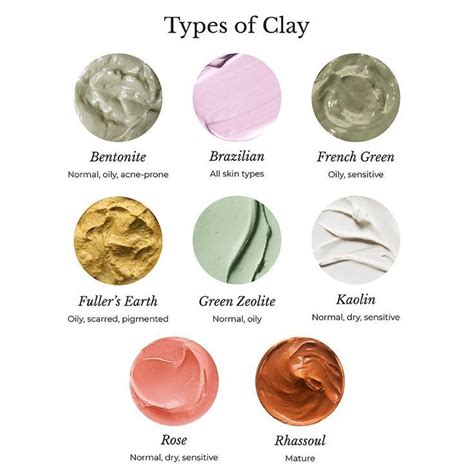
Bentonite clay is frequently used in treatments targeting acne and eczema. It excels at absorbing excess sebum, a common cause of congestion and skin clarity issues. Furthermore, bentonite clay possesses electrical properties; when mixed with water, it acts like a magnet, drawing toxins out of pores.
Bentonite is a type of clay derived from volcanic ash, named after Fort Benton, Wyoming, where a significant deposit was discovered. Many studies investigating the potential benefits of clay masks have utilized bentonite clay. Its applications include reducing excessive moisture, protecting the skin from toxins, helping to reduce acne, improving symptoms of dermatitis, and alleviating diaper rash.
Kaolin Clay
Kaolin clay, traditionally used for nourishing and caring for various skin types, comes in several popular colors: red, white, yellow, and pink. Red kaolin clay exhibits the highest absorption capability, making it suitable for oily skin. White kaolin clay is exceptionally gentle and ideal for dry, sensitive skin. Yellow clay, similar to white clay in gentleness, offers slightly more absorbency and exfoliating properties. It can enhance facial circulation and is often found in brightening masks.
White clay, also known as kaolin, is known for its gentle cleansing qualities. Its silica-rich properties make it excellent for softening, purifying, and cleansing sensitive skin without causing irritation. Kaolin clay is perfect for dry skin as it is "washed" by rainwater or streams, making it the clay with the least metal content and thus the most gentle for skincare routines. It is also recommended for combination to oily skin as it absorbs and regulates excess sebum, traditionally being the most popular type of clay mask in France due to its versatility.
French Green Clay
As its name suggests, French green clay is found in France. Its green hue is attributed to its composition of decomposed plant material and iron oxide. This highly valued clay is known for its potent detoxifying properties and is recognized for treating a number of ailments. It is considered one of the most common clay types and contains the highest mineral content.
Green clay is used to deeply purify the skin. When applied as a mask, it draws out impurities without drying the skin. Instead, it replenishes the skin with beneficial minerals, being packed with silica, aluminum, calcium, iron, magnesium, selenium, zinc, and potassium. It softens, hydrates, and revitalizes the skin while providing a thorough cleanse. Green clay is great for combination, oily, and acne-prone skin. It is a bio-mineral composed of decomposed plant material and trace minerals, naturally rich in calcium, aluminum, and magnesium, which help purify, regenerate, and detoxify the skin while controlling excess sebum.
Rhassoul Clay
Rhassoul clay, originating from Morocco, is highly beneficial for both skin and hair due to its strong mineral makeup. Most toxins in the skin are positively charged, and the negative charge of rhassoul clay makes it ideal for effectively removing sebum and dirt.
Red Clay
Red clay is a type of kaolin clay with a higher silicate content than other clays. It boasts excellent exfoliating properties and is highly absorbent. Red clay has been used for centuries to restore radiance to tired complexions, even out skin tone, close pores, and smooth the skin. Regular treatment with red clay can be very effective for those susceptible to blackheads. Red clay is rich in oligoelements and iron, boosts circulation, and restores radiance and glow to the skin, making it ideal for tired skin that may experience reactions and rosacea.
Yellow Clay
Yellow clay is gentle, similar to white clay, but slightly more absorbent and exfoliating. It can enhance circulation in the face, which is why it is frequently included in brightening masks. The manganese content of yellow clay adds a regenerating effect to skincare routines.
Pink Clay
Pink clay is a gentle blend of red and white clay, making it the mildest of all clays. Its cleansing action is fantastic for sensitive and irritated skin. Pink clay is a combination of 3/4 white clay and 1/4 red clay, ideal for sensitive skin, softening and caring for intolerant skin prone to redness.
Black Clay
Known for its iron-rich content and oxygenating properties, black clay contains active cleansing ingredients that nourish the skin and eliminate toxins.
Purple Clay
Purple clay is a mixture of several natural clays, making it particularly rich in silicium and low in mineral salts. Its properties are similar to those of white clay, making it especially useful for fragile, delicate skin.
How Clay Masks Work
The effectiveness of clay masks stems from their ability to interact with the skin on multiple levels. Primarily, they work by absorbing excess oils and drawing out impurities.
Oil Absorption and Detoxification
Clays help to detoxify the skin and draw out impurities and oils from the surface. This is particularly beneficial for individuals with acne or oily-prone skin, as it helps to clear clogged pores and reduce excess shine. The clay's negative electrical charge can bind to positively charged toxins and heavy metals found in environmental pollution, aiding in their removal from the skin.
Hydration for Dry Skin
While clays are known for absorbing oil, certain types can also hydrate dry skin. It is important to look for masks that are more hydrating and contain ingredients like glycerin and sodium hyaluronate. When a clay mask hardens, it can create a film that helps the skin retain moisture. However, it's crucial to avoid overusing clay masks if you have dry skin, as this can exacerbate dryness.
Stimulating Circulation and Improving Skin Firmness
As a clay mask dries and tightens on the skin, it can stimulate blood flow. Some research suggests that clay masks may promote the production of collagen fibers, which could potentially reduce wrinkles and increase skin firmness. However, studies have indicated that short-term use may not lead to significant changes in skin firmness.
step by step guide to use clay masks the right way #facemask
Proper Application and Usage of Clay Masks
Applying a clay mask correctly is crucial to maximize its benefits and avoid potential side effects. One common mistake is allowing the mask to dry completely on the skin.
The Importance of Mask Timing
When a clay mask is damp, the skin absorbs its beneficial components. As the mask begins to dry, blood flow is stimulated due to the cooling and tightening effect. However, once the mask becomes completely dry, it can start to draw essential moisture away from the skin, leading to irritation and dehydration. Therefore, it is advisable to remove the mask while it is still slightly damp.
Application Technique
To apply a clay mask, scoop out a quarter-sized amount from its container and spread it evenly across the face, starting from the upper neck and working upwards. Leave the mask on for about 15 minutes, then remove it with lukewarm water or a damp facecloth.
Post-Mask Skincare Routine
After removing the clay mask, it is recommended to follow your usual skincare regimen. This typically includes cleansing, applying a serum, and then moisturizing. For those with oily or acne-prone skin, using a moisturizer with salicylic acid can help control acne throughout the day or night.
Potential Side Effects and Precautions
While clay masks are generally safe, certain precautions should be taken to avoid adverse reactions.
Over-Drying and Irritation
Leaving a clay mask on for too long or using them too frequently can lead to dry or irritated skin. It is generally recommended to limit the use of clay masks to no more than twice per week. Some clay masks may also contain other ingredients, such as glycolic acid, that could potentially irritate the skin.
The most common side effects of using a clay mask include dryness, itchiness, redness, and rash. If you have dry skin, limiting use to once per week may be more appropriate.
When to Consult a Professional
For more severe skin conditions like cystic acne, it is advisable to consult a doctor to determine the best treatment options, as a clay mask may not address the root cause, which could be hormonal.
Benefits for Hair Health
While most research focuses on skin benefits, anecdotal evidence suggests that clay masks may also offer advantages for hair health. Some believe that clay can help remove dirt and oil from the scalp, potentially improving hair condition. It is thought to be beneficial for dandruff, dry and damaged hair, frizziness, and heat damage. However, the claim that clay can accelerate hair growth is considered a myth, possibly stemming from studies on animal wool production.