Dandruff is a common scalp condition characterized by flaky, itchy skin. While many factors can contribute to its development, including yeast presence, oil production, and immune response, over-the-counter (OTC) dandruff shampoos often provide effective relief from symptoms like flakes, itching, and irritation. This article delves into the benefits and ingredients of dandruff shampoos, with a specific focus on the Head and Shoulders Green Apple variant.
The Role of Dandruff Shampoos
Dandruff shampoos are formulated with active ingredients designed to combat the underlying causes of dandruff. Unlike regular shampoos, which offer gentler cleansing, medicated shampoos are essential for clearing the scalp more effectively. They work by reducing yeast on the scalp or regulating oil production. According to experts, a good dandruff shampoo should cleanse the scalp of sebum, product buildup, environmental debris, and flakes caused by fungal activity, leaving the scalp feeling clean and clear.
For mild to moderate dandruff, consistent use of OTC shampoos can help manage symptoms. It's important to note that finding the right shampoo may involve some trial and error, and considering your specific hair type and color is crucial. Medicated shampoos typically require at least three weeks of regular use before a noticeable difference can be observed. If no improvement is seen within this timeframe, trying a shampoo with a different active ingredient is recommended.
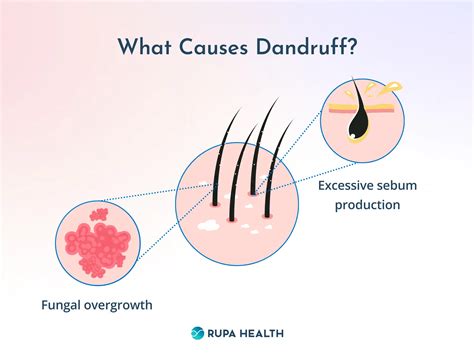
Understanding Dandruff Causes
Dandruff usually arises from a combination of three primary factors:
- The presence of Malassezia yeasts on the scalp.
- Sebaceous (oil gland) function and overproduction of oil.
- Your body’s immune response to the presence of yeast.
Additionally, conditions like contact dermatitis, psoriasis, and eczema can also manifest as dandruff.
Key Ingredients in Dandruff Shampoos
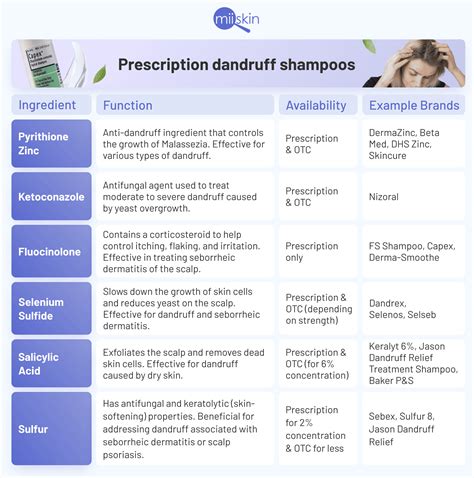
Manufacturers utilize various ingredients in dandruff shampoos, each with a specific mechanism of action. Some ingredients may be more effective for certain individuals than others. Common active ingredients include:
- Pyrithione Zinc (ZPT): This active ingredient is found in Head and Shoulders Green Apple Shampoo and is known for its antifungal and antibacterial properties. It helps to reduce the yeast that can contribute to dandruff.
- Ketoconazole: A potent antifungal agent.
- Coal Tar: Slows down the rate at which skin cells on the scalp die and flake off. However, it can darken or stain light-colored hair.
- Salicylic Acid: Helps to slough off dead skin cells and flakes.
- Selenium Sulfide: Slows down skin cell turnover and has antifungal properties. It may make oily hair feel even oilier for some individuals.
- Ciclopirox: Another antifungal agent.
- Sulfur: Helps to remove scales from the scalp.
A shampoo containing a mix of these ingredients is likely to be effective in combating dandruff.
Head and Shoulders Green Apple Shampoo: Features and Benefits
Head and Shoulders Green Apple Shampoo is designed to provide proven protection against dandruff symptoms. Its unique formula works up to seven surface layers deep into the scalp to address dandruff at its source, promoting healthy hair and a vibrant appearance.
Key Benefits:
- Flake Protection: Effectively reduces and eliminates visible flakes.
- Itch Relief: Calms itching associated with dandruff.
- Oil Control: Washes away excess oil and flakes, helping to manage greasiness.
- Dryness Reduction: Nourishes the scalp with restorative moisture for a clean, hydrated feel.
- Irritation and Redness Management: Relieves irritation and reduces redness linked to dandruff.
- Healthy Hair and Scalp: Contributes to shiny, vibrant hair and a healthy scalp.
The refreshing scent of green apple provides a pleasant sensory experience during washing, making the shower routine more enjoyable.
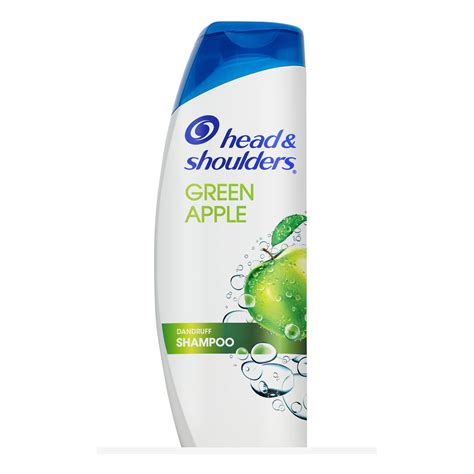
Ingredients of Head and Shoulders Green Apple Shampoo
The formulation of Head and Shoulders Green Apple Shampoo includes both active and inactive ingredients:
Active Ingredient:
- Pyrithione Zinc (1%): An anti-dandruff agent.
Inactive Ingredients:
- Water
- Sodium Lauryl Sulfate
- Sodium Laureth Sulfate
- Glycol Distearate
- Sodium Chloride
- Zinc Carbonate
- Cocamidopropyl Betaine
- Sodium Xylenesulfonate
- Fragrance
- Dimethicone
- Sodium Benzoate
- Guar Hydroxyproplytrimonium Chloride
- Magnesium Carbonate Hydroxide
- Yellow 5
- Blue 1
Considerations When Choosing a Dandruff Shampoo
Beyond active ingredients, several variables can influence the choice of a dandruff shampoo:
Hair Type and Color:
- Light-colored hair: Coal tar shampoos are generally not recommended due to potential staining.
- Frizzy and flyaway hair: Products containing Pyrithione Zinc (ZPT) may help reduce frizz and flyaways.
- Oily hair: Shampoos with selenium sulfide might exacerbate greasiness; alternatives with other active ingredients may be preferable.
Gender Differences:
Men are more prone to dandruff than women due to differences in their skin barrier. Some studies suggest that men's dandruff may respond better to ZPT shampoos compared to women's, while women's dandruff might show better results with non-dandruff shampoos due to their cleansing effects.
Hair Conditioners:
Conditioners can enhance hair softness and manageability. Some conditioners designed for dandruff contain ingredients like ZPT to further penetrate the hair and scalp. It's also advisable to avoid hair products that can dry out the scalp, as this can lead to increased oil production and contribute to dandruff.
When to Seek Professional Help
If you have tried various OTC dandruff shampoos for at least a month without seeing improvement, it is recommended to consult a medical professional, such as a dermatologist or a trichologist. Seek immediate medical attention if you experience redness, pain, crusting, or pus on your scalp.
Managing Chronic Dandruff
Dandruff, or seborrheic dermatitis, is a chronic condition that can recur. Regular use of medicated shampoos (2-3 times a week) can provide relief and temporary resolution. However, continued use may be necessary to manage flare-ups.
For mild dandruff, increasing scalp brushing and shampooing frequency can help. For more severe cases, switching to a medicated shampoo is advised. If OTC options containing selenium or ketoconazole are ineffective, even when used correctly (e.g., leaving on for at least 5 minutes before rinsing), a dermatologist may prescribe stronger treatments, such as a topical corticosteroid, or prescription-strength medications.