In recent years, pimple patches have surged in popularity, becoming a go-to solution for managing blemishes. These small, adhesive stickers offer a convenient way to treat pimples, but understanding how they work and how long they take to show results is key to managing expectations.
The Science Behind Pimple Patches
The technology underpinning pimple patches is rooted in hydrocolloid, a material that has been a staple in wound care since the 1980s. Hydrocolloid patches create a moist environment that promotes healing while protecting the affected area from external irritants like dirt and bacteria. This protective barrier also discourages picking and squeezing, which can lead to infection and scarring.
Beyond their basic function, modern pimple patches are often formulated with advanced ingredients to actively treat acne. These can include:
- Salicylic Acid: Helps to unclog pores and reduce redness.
- Niacinamide: Known for its anti-inflammatory properties and ability to strengthen the skin barrier.
- Tea Tree Oil: Possesses antibacterial properties that can help combat acne-causing bacteria.
Some newer patches even incorporate tiny micro-darts that deliver active ingredients deeper into the skin for enhanced absorption, though these are designed to be painless and dissolve naturally.
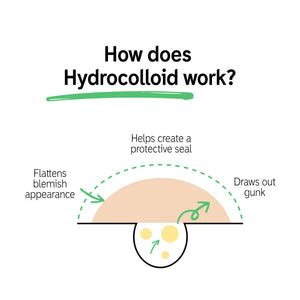
How Pimple Patches Work to Heal Blemishes
Pimple patches primarily function in two ways:
- Fluid Absorption: The hydrocolloid material absorbs excess fluid, pus, and oil from the pimple. This helps to reduce inflammation and shrink the blemish.
- Protection: The patch acts as a physical barrier, preventing bacteria and dirt from entering the pimple and protecting the skin from further picking or irritation.
These patches are most effective on open or "ready-to-pop" pimples, where they can absorb the expelled fluids. They can also help reduce the size, redness, and inflammation of closed pimples and prevent early-stage pimples from progressing.
How Long Does It Take for Pimple Patches to Work?
The timeframe for pimple patches to show results can vary significantly depending on several factors, including the type of pimple, the ingredients in the patch, and individual skin responses. However, general timelines can be established:
Short-Term Effects:
Some individuals report noticing improvements within a few hours of application. For pimples that have already come to a head, a patch can help absorb pus and reduce redness relatively quickly, making the blemish appear less inflamed and noticeable.
Overnight Treatment:
A common recommendation is to wear pimple patches overnight. In many cases, by morning, the pimple will appear smaller, less red, and less inflamed. This is often the case for papules and pustules.
Several Days of Treatment:
Clinical studies suggest that for more significant resolution, pimple patches may need to be used consistently for several days. One study indicated that pimples could take an average of 7 days to halve in size and up to 11 days to fully resolve when using hydrocolloid patches for 8 hours a day for 11 days. Another study showed that patches with active ingredients like salicylic acid could reduce acne volume by over 12% within 3 days and an additional 10% by day 7.
Types of Pimples and Patch Effectiveness
Pimple patches are not a universal solution for all types of acne. Their effectiveness varies:
- Most Effective For:
- Pustules: Pus-filled pimples where the patch can effectively absorb fluid.
- Papules: Small, red, inflamed bumps.
- Whiteheads: Closed bumps that have come to a head.
- Open Pimples: Especially after squeezing or popping, to aid healing and prevent infection.
- Less Effective For:
- Blackheads: These are clogged pores that are open to the air, and patches don't typically penetrate deep enough to clear them.
- Cystic Acne: Deep, inflamed bumps under the skin that patches sitting on the surface cannot effectively treat.
- Early-stage, deep pimples: While they can help stop progression, they are not as potent as targeted topical treatments for very deep lesions.
For persistent or severe acne, it is crucial to consult a dermatologist for a comprehensive treatment plan that may include prescription medications.
How to Use Pimple Patches for Optimal Results
To maximize the effectiveness of pimple patches, follow these guidelines:
- Cleanse the Skin: Ensure the affected area is clean and free from makeup, dirt, and oil.
- Dry Thoroughly: The skin must be completely dry for the patch's adhesive to stick properly.
- Apply the Patch: Carefully place the patch over the blemish.
- Wear Time: Leave the patch on for the duration recommended by the manufacturer, typically between 6 to 12 hours, or overnight.
- Remove Gently: When removing, gently loosen one edge and stretch the patch along the skin rather than pulling upwards.
- Consider Combination Therapy: For enhanced results, some dermatologists suggest applying an acne treatment (like salicylic acid or benzoyl peroxide) before the pimple patch, allowing it to absorb for a few minutes. However, be mindful of potential irritation, especially with sensitive skin.
- Give Skin a Break: Some experts recommend taking breaks between patch applications to allow the skin to "breathe."
Limitations of Pimple Patches
While pimple patches are a valuable tool for spot treatment, they are not a cure for acne. They do not address the underlying causes of breakouts, such as hormonal fluctuations or excessive oil production. Therefore, they are best used as a complementary treatment alongside a consistent skincare routine and, if necessary, medical interventions prescribed by a dermatologist. They are reactive rather than proactive in managing acne.