With the vast array of skincare products available on the market, it can be daunting to simply purchase a new serum, let alone assess where it fits into your existing routine. However, understanding how to layer your skincare is a highly effective way to ensure that you are maximizing the benefits of your products and tailoring your routine to your specific skin type. It's important to note that even with general guidelines, layering skincare is not a one-size-fits-all system, and exceptions certainly exist. Therefore, if you've ever wondered why some individuals apply their retinoid after their moisturizer while others apply it before, or if you're still unclear about the distinction between a toner and an essence, this guide will provide clarity.
The Correct Order for Layering Skincare Products
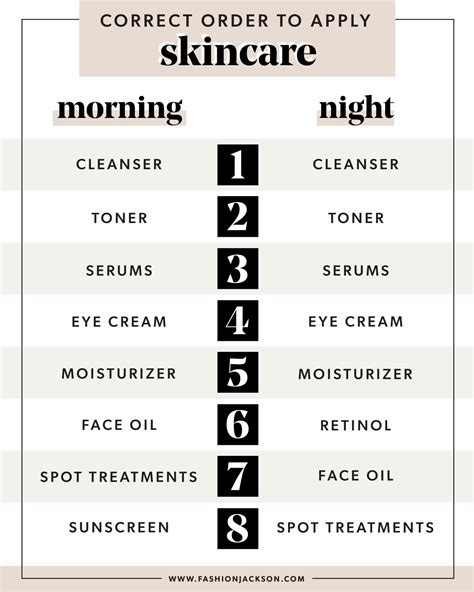
Generally speaking, skincare products should be applied in the following order: Cleanser, spot corrector, exfoliator, toner, essence, serum, eye cream, retinoid, moisturizer, face oil, and finally, SPF. Skincare devices and makeup are typically applied last.
While this list might seem extensive, it's crucial to remember that there is no mandatory number of products you must use. The choice is entirely yours, and using more products does not necessarily guarantee better results. In fact, an excessive number of products can actually compromise the essential skin barrier, potentially worsening your skin's condition.
Many experts advocate for a simple, straightforward routine, using the aforementioned list as a general guide. Consider it a roadmap to help you understand how products interact and absorb into one another. A useful rule of thumb is to layer products from thinnest to thickest after cleansing and exfoliating, beginning with eye cream and concluding with SPF.
After Cleansing
Should you leave your skin damp or dry it completely before applying products?
Leave it damp. According to Dr. Loretta Ciraldo, MD, FAAD, a board-certified dermatologist and founder of the skincare brand Dr. Loretta, skin is more permeable when wet, which promotes greater product penetration and thus enhances efficacy. This is particularly beneficial when using hydrating toners or serums rich in humectants like glycerin and hyaluronic acid, as leaving the skin damp aids in delivering maximum moisture.
An exception to this rule applies when using products with potentially irritating ingredients, such as retinol or glycolic acid. In such cases, it is advisable to apply these products to dry skin. Dr. Ciraldo recommends gently patting the skin completely dry to mitigate the risk of irritation.
Spot Corrector
What do spot correctors do?
According to Hadley King, MD, a New York City-based board-certified dermatologist, spot treatments are formulated to address specific targeted areas on the face, commonly for acne or dark spots.
What ingredients should you look for?
Marisa Garshick, MD, a board-certified dermatologist at MDCS Dermatology, suggests looking for ingredients like benzoyl peroxide, salicylic acid, or sulfur for treating acne. For dark spots or discoloration, ingredients such as kojic acid, tranexamic acid, or antioxidants are recommended.
How often do you apply?
Dr. Garshick advises that spot correctors are generally most effective when applied as the first step after cleansing, allowing for adequate penetration and maximum results. Application once a day is typically sufficient, especially for products containing drying or irritating ingredients like benzoyl peroxide or salicylic acid. She suggests products like the Mario Badescu Drying Lotion for oil reduction and pore unclogging, and Face Reality's Sulfur Spot Treatment for redness and inflammation. For dark spots, EADEM's Milk Marvel or Dr. Idriss Major Fade Hyper Serum Dark Spot Treatment are excellent choices.
Exfoliation
What's the point of exfoliation?
Exfoliants remove dead skin cells from the skin's surface, preparing your complexion for the rest of your skincare routine. They come in various forms, including toners, serums, masks, and scrubs, and can contain physical exfoliants like rice bran or sugar, or chemical exfoliants such as alpha and/or beta hydroxy acids (AHAs and BHAs). AHAs and BHAs are highly beneficial ingredients that help control sebum, fade hyperpigmentation, and improve skin texture.
Exfoliation should be performed immediately after cleansing your face to ensure the exfoliants can work effectively without being hindered by makeup, sweat, or dirt. It's important to avoid over-exfoliation, as using AHA and BHA products too frequently can disrupt the skin's natural barrier, leading to irritation, redness, and breakouts.
How often should you exfoliate?
While individual tolerance varies, most people can exfoliate approximately two to three times per week.
Hydrating Toners
- I'm From Rice Toner
- Cosrx Full Fit Propolis Synergy Toner
Exfoliating Toners
- Biologique Recherche Lotion P50 1970 Exfoliating Toner
- Paula's Choice Skin Perfecting 2% BHA Liquid Exfoliant
Toning
Do toners hydrate?
If you recall toners from the 80s, 90s, or early 2000s, you might associate them with astringent formulas designed to dry out teenage skin. However, toners have evolved significantly. Influenced by Korean beauty trends, modern toners are more cosmetically elegant, with a greater emphasis on hydration, nourishment, and balancing the skin's pH, rather than solely oil absorption.
What if your toner has exfoliating properties?
In addition to hydrating formulas, there are many exfoliating toners available, such as the popular Biologique P50 or Paula's Choice BHA toner. If your toner contains exfoliating ingredients, it should be considered both your toning and exfoliating step, and you can proceed to the next product in your routine.
Essences and Serums
What's the difference between a hydrating toner, essence, and serum?
The differences are subtle. Hydrating toners tend to focus more on pH balance and are often applied with a cotton pad, functioning as a second cleanse. According to Dr. Shuting Hu, a cosmetic chemist and founder of Acaderma, essences and serums are also very similar. "An essence is a more lightweight, less concentrated version of a serum," Dr. Hu explains. "The key difference is that essences focus more on just hydration, whereas serums target a variety of skincare concerns, such as acne and dark spots."
Do you need to use a hydrating toner, essence, and serum together?
It's not necessary to incorporate all three products into your routine. However, if you wish to use them, ensure you are not doubling up on products with potentially irritating ingredients like lactic acid or glycolic acid.
Essence
- Beauty of Joseon Ginseng Essence Water
- Cosrx Advanced Snail 96 Mucin Power Essence
How should you layer multiple serums?
Dr. Hu suggests applying serums from thinnest to thickest to allow thinner, more watery serums to penetrate the skin without obstruction. However, AHAs and BHAs present an exception: "If you are using a peeling serum, like something that contains AHAs, mixed with another serum, it's always better to use the acid-containing serum first, then wait a few minutes before applying the next serum," she advises.
If you prefer a quicker routine, Dr. Ciraldo suggests that cocktailing your serums together is generally acceptable. "Unless your product contains a potentially irritating ingredient, like glycolic acid or a retinoid, mixing your serums together in the palm of your hand and then patting them into the skin is a perfectly fine way to apply multiple serums," she states. She further explains that mixing products of similar viscosity does not reduce their effectiveness. "The rate of penetration is much more dependent on the molecular size of the actives in each formula, rather than the way they're applied to the skin, so you're not diluting any of the potency or efficacy if you're cocktailing them together."
Serums
- L'Oréal Revitalift 1.5% Pure Hyaluronic Acid Face Serum
- La Roche-Posay Hyalu B5 Serum
Retinoids and Retinol
What's the difference between a retinoid and retinol?
Retinoid is an umbrella term encompassing all vitamin A derivatives used in skincare, ranging from mild retinol esters found in over-the-counter serums to potent prescription-strength retinoic acid (like tretinoin).
Retinoids are widely regarded as the gold standard in topical skincare by dermatologists, estheticians, and enthusiasts alike due to extensive research proving their ability to boost collagen production, increase cell turnover, and improve the appearance of hyperpigmentation and texture. However, retinoids are potent ingredients that require careful use and slow integration into a routine to prevent irritation and dryness.
Where does retinoid fit into skincare order?
Typically, instructions recommend applying retinoids before moisturizer. However, for sensitive skin or when first starting out, Dr. Hu suggests applying retinoids (whether over-the-counter or prescription) on top of moisturizer to minimize potential irritation. "Layering your retinoid after applying moisturizer will help create a gentle barrier between your skin and the potent ingredient," she explains.
Is it important to eventually be able to apply retinoids directly to the skin?
Not necessarily. According to Dr. Ciraldo, it's a matter of personal preference and skin tolerance. "If you have been applying your retinoid after your moisturizer for a while and are still seeing great results, continue with it," she advises. "If you believe your results have plateaued, then perhaps it's time to slightly increase the strength by applying it before your moisturizer."
Retinoid Products
- Glossier Universal Pro-Retinol
- Medik8 Crystal Retinal 3 Serum
- Olay Regenerist Retinol 24 Night Moisturizer
Eye Cream
Do you need an eye cream?
The skin around the eyes is thinner and more delicate, making it more susceptible to visible signs of aging, irritation, puffiness, and dark circles. Eye creams and serums are formulated to target these concerns while being gentle enough for sensitive skin.
What ingredients do you look for?
Dr. King recommends caffeine for puffiness to help constrict blood vessels. For fine lines, look for peptides, growth factors, and retinol. Dr. Garshick adds that vitamin C and niacinamide can help brighten dark circles and hyperpigmentation, while hydrating ingredients like hyaluronic acid plump the skin.
How often should you apply?
Dr. Garshick suggests applying eye cream just before moisturizer, either once or twice daily, depending on the ingredients. Lightweight eye creams with SPF are suitable for daytime, while thicker formulas with ingredients like retinol are better for nighttime routines. She recommends products such as RoC Retinol Correxion Line Smoothing Eye Cream or Kiehlâs Eye Fuel. Dr. King favors the Charlotte Tilbury Magic Eye Rescue for its comprehensive benefits.
Moisturizers vs. Face Oils
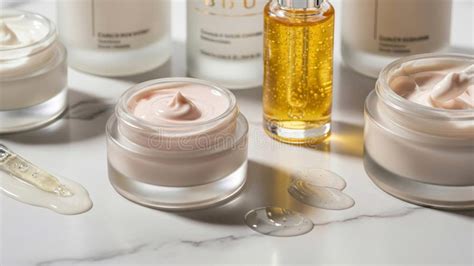
Moisturizers are water-based and deliver hydrating benefits, while face oils are oil-based and act as occlusive barriers to trap moisture.
Which should be applied firstâface oil or moisturizer?
Moisturizer should be applied first, followed by face oil. This is because face oils excel at retaining moisture rather than providing it. Dr. Hu advises applying face oils after moisturizer to help lock in hydrating ingredients and prevent evaporation. "Facial oils contain occlusive properties that seal in all the incredible benefits of your other skincare products," Dr. Hu states. "Plus, the oil can also create a barrier between your skin and external pollutants."
Sunscreen
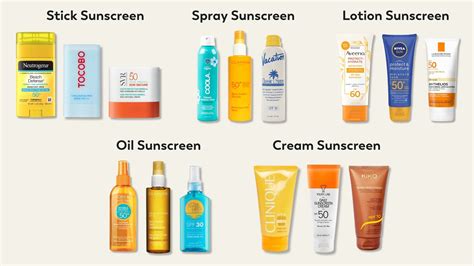
Sunscreen is arguably the most critical step in any skincare routine. It not only helps prevent superficial issues like hyperpigmentation and wrinkles but also offers essential protection against harmful UV rays. SPF should be applied every morning, regardless of weather conditions, as the final step in your routine. Never apply any skincare product over sunscreen, as this can impede its protective benefits.
SPF Products
- Supergoop! Glowscreen SPF 40
- The Broad Spectrum UV Protecting Fluid SPF 50
- CeraVe Ultra-Light Moisturizing Lotion With SPF 30
Skin Devices
The placement of skincare devices in your routine depends on their function. Dr. Garshick advises using them after cleansing on dry skin, unless otherwise directed. However, if a device is designed to be used with serums or products to enhance ingredient penetration, it can be used before moisturizing.
Both Dr. King and Dr. Garshick recommend the NIRA Laser for stimulating collagen production, to be used after cleansing and before skincare application. The SolaWave Radiant Renewal 4-in-1 Skincare Wand can incorporate a serum during treatment for firming and smoothing the skin.
Skincare Devices
- SolaWave Radiant Renewal Skincare Wand
- Currentbody LED Light Therapy Face Mask: Series 2
Makeup
Makeup should always be the final step in your routine. This ensures that it does not interfere with the penetration of beneficial skincare ingredients, as noted by Dr. Garshick.
Frequently Asked Questions about Layering Skincare
General Principles of Layering
Have you ever wondered about the correct order for applying skincare products to your face? Thinner, more liquid products like toners and serums absorb faster. Facial oils and heavier creams create a layer on the skin and sit there longer. Sunscreens with SPF protect your skin like a shield.
Cleanser
- Why: Cleansing always comes first. It is the most important step in the entire skincare routine.
- How: Apply a small amount of cleanser to your skin. Gently massage to dissolve makeup and impurities. For daily cleansing, use an oil cleanser.
Exfoliation
- Why: This step helps remove dead skin cells and unclogs pores.
- How: Use an acid exfoliant.
- Pro-tip: If you have never used chemical exfoliators before, start slowly.
Toner
- How: Immediately after cleansing, saturate a cotton ball or round with toner. Apply product to the face and neck with your fingers or drop directly onto the skin. Gently massage it in.
- Pro tip: For the morning, use a Vitamin C serum. For the evening, use a Retinoid serum.
Serums
- How: Apply product to the face and neck with your fingers, or drop directly onto the skin. Gently massage it in.
- Pro tip: For the morning, use a Vitamin C serum. For the evening, use a Retinoid serum.
Moisturizer
- Why: Hydration is necessary for all skin types. Moisturizers act as a barrier, protecting our skin from environmental damage.
- How: Use moisturizers twice a day. Apply a light layer of moisturizer after your serums on the face and neck.
- Pro tip: In the morning, use a light, oil-free gel with hyaluronic acid.
Sunscreen
- Why: Studies show that 80% of signs of aging are related to sun damage. It's not just about the skincare products you use.
The Ordinary Product Layering Guide
Below are answers to common questions about layering The Ordinary products, linked to primary skin concerns and types.
Can I use Hyaluronic Acid and Niacinamide together?
Yes. Hyaluronic Acid 2% + B5 hydrates the skin, while Niacinamide 10% + Zinc 1% can help with pore appearance and uneven tone. Since both serums are water-based, they can be applied in either order. However, it's recommended to address your primary concern first, then apply the other.
Can I use Hyaluronic Acid with Retinoids?
Yes. Hyaluronic Acid provides hydration, which can counteract the potential drying effects of retinoids. Since Hyaluronic Acid 2% + B5 is water-based, it should be applied first, followed by retinoids, such as Retinol 1% in Squalane, which is an anhydrous formulation.
Can I use Retinoids and Vitamin C together?
It is generally recommended to use retinoids and Vitamin C at different times to optimize your regimen. For example, use Ascorbyl Glucoside Solution 12% (Vitamin C serum) in the morning and a retinoid such as Retinal 0.2% Emulsion in the evening.
How much product should I use for each application?
This depends on the product. Always follow product directions. For potent actives like retinoids or direct acids, consider starting with 2-3 applications per week and gradually increasing frequency as tolerated. Please note that for Retinal 0.2% Emulsion, a maximum of 2-3 times per week is recommended.
What time of day should I use The Ordinary products?
This varies by product. For instance, apply products containing Vitamin C in the morning and retinoid-based products at night. Hydrators like hyaluronic acid can be used both AM and PM. Refer to each product's usage details for more information.
How long should I wait between applying products?
There is no specific wait time required between products; however, it is recommended to allow each product to fully absorb before applying the next.
Importance of Correct Layering
Correctly layering products is one of the most crucial skills to master in a skincare routine. When the order of skincare products is right, you ensure that your serums, toners, moisturizers, and other essentials can perform their intended functions. The order of skincare products matters because it impacts absorption, effectiveness, and skin sensitivity. For example, applying oil before a water-based serum can impede serum absorption because the oil forms a barrier. Layering skincare products properly can also help prevent irritation.
General Skincare Product Order
When layering skincare products, the general order is from lightweight, thinner formulas to heavier, thicker ones. For instance, toner is typically applied before serum, and serum usually comes before cream. Allow each skincare product 30 seconds to a minute to dry and absorb into the skin.
Specific Product Placements
- The order for skincare routine products always begins with cleanser. Use a gentle formula that won't dry out your skin but effectively removes dirt, oil, and impurities, creating a clean canvas.
- Toners prep the skin for additional products by removing oil and leaving it feeling refreshed. They can also serve other functions, from exfoliating to hydrating.
- Acne spot treatments target acne by reducing inflammation, unclogging pores, and speeding up healing. For them to be effective, they must have direct contact with the skin. Therefore, regardless of their thickness, they should always be applied after cleansing and toning but before serums and moisturizers. Acne spot treatments should only be applied to areas with active breakouts to avoid irritating healthy skin.
- Serums are formulas with high concentrations of skin-enhancing ingredients. Applied early in your routine after toner and spot treatments, they penetrate deeply.
- Eye creams should be applied before moisturizer to ensure direct contact with the skin, as they are formulated with special ingredients to enhance and nourish the eye area.
- Unless performing a morning routine, moisturizer is typically the final step before sunscreen. It prevents water loss, leaves skin softer and smoother, and seals in hydration from previous products.
- In the morning, sunscreen should always be the last step in your skincare routine to protect against UV damage, sunburn, and premature aging.