Microneedling is a minimally invasive cosmetic procedure that has gained increasing attention for its potential applications in both skin rejuvenation and hair growth enhancement. This technique involves creating controlled micro-injuries in the scalp to stimulate natural healing processes that positively affect both the skin and hair follicles. While typically performed by a doctor or aesthetician at a clinic, some individuals opt for at-home treatments, particularly those using over-the-counter products for hair loss.
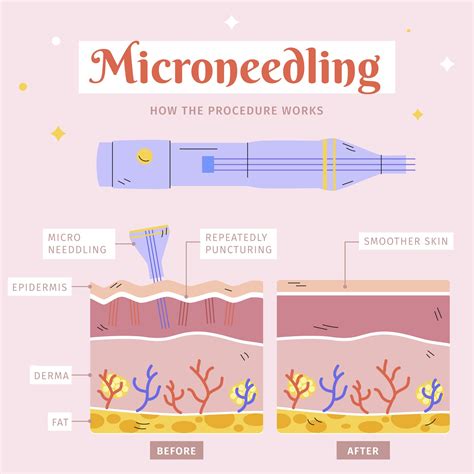
Understanding the Science Behind Microneedling for Hair Growth
Microneedling for hair loss, also referred to as microneedle therapy or microneedle roller treatment, utilizes tiny needles to create micro-injuries on the scalp. These micro-injuries trigger the body’s natural wound-healing process, which can lead to enhanced blood circulation. This increased blood flow helps deliver a greater amount of nutrients and oxygen to the hair follicles. In medical terms, these micro-injuries are associated with collagen production, neovascularization, and the release of growth factors. Although research specifically on hair loss is still developing, studies suggest that microneedling may enhance the effects of established therapies for conditions like androgenetic alopecia by temporarily increasing the scalp’s permeability and supporting the delivery of topical treatments.
Emerging research suggests that microneedling may influence cellular pathways associated with follicle activity. Animal studies have indicated an increased expression of pathways such as WNT/β-catenin following repeated microneedle stimulation. A study on mice reported enhanced hair growth associated with upregulated expression of Wnt3a and Wnt10b, proteins involved in WNT-related signaling, increased β-catenin activity, and higher levels of VEGF, a factor linked to blood-vessel formation and follicle support. In practice, microneedling is sometimes used alongside established therapies, where its temporary increase in scalp permeability may help enhance the delivery of topical medications. However, more human studies are needed to confirm specific biological pathways or treatment effects.
How Microneedling Works for Hair Loss
The tiny skin punctures created during microneedling can result in channels in the scalp, which can increase the absorption of topical products like vitamin serums, minoxidil, or topical finasteride. These micro-injuries stimulate the body’s natural wound-healing response, leading to enhanced blood circulation and a greater supply of nutrients and oxygen to the hair follicles. In medical terms, micro-injuries stimulate collagen production. When used on the scalp, a dermaroller can be a significant aid against hair loss and thinning by helping to reactivate dormant hair follicles and making hair growth products more effective.
Studies have shown that microneedling, when combined with hair growth treatments, can lead to significantly better results compared to using hair growth products alone. When used correctly, a dermaroller can:
- Increase blood flow to the scalp, delivering oxygen and nutrients to hair follicles.
- Boost collagen production, strengthening hair follicles and improving scalp health.
- Enhance product absorption, making treatments like minoxidil, rosemary oil, or caffeine-based serums more effective.
- Reduce dermatitis or inflammation, which is often a factor in alopecia.
Microneedling Devices: Dermarollers and Dermapens
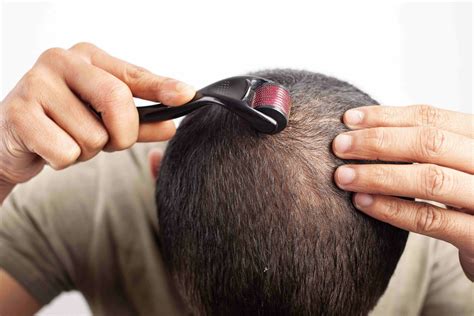
Microneedling for hair loss involves applying devices like a dermaroller or a dermapen to the scalp. A dermaroller is a handheld device covered in microneedles that is rolled across the skin. Because, in some methods, the needles enter the skin at an angle rather than vertically, this can create more tearing or dragging of tissue or even result in permanent scarring in some instances. Dermarollers are often sold for cosmetic use, but their depth, consistency, and safety can vary widely, which is why clinical oversight is recommended for therapeutic intentions.
A dermapen is a motorized device equipped with disposable needle cartridges that move vertically at high speed. It is crucial to note that some consumer-grade electronic pens do not penetrate deeply enough to achieve clinically meaningful effects. According to the FDA, some microneedling products are not considered medical devices, particularly those that do not penetrate into the living layers of the skin (epidermis and dermis) and claim only to facilitate exfoliation, improve the appearance of the skin, give the skin a smoother look and feel, or provide a luminous appearance.
At-Home Microneedling vs. Professional Treatments
Microneedling for hair loss can be performed at home, but it is essential to proceed with caution and follow proper techniques to maximize its benefits while minimizing risks. Professional microneedling devices, such as electrodynamic microneedling or radiofrequency microneedling devices, may also have specialized functions and additional features. A dermatologist or hair loss specialist can assess your specific issues, recommend the most suitable treatment plan, and monitor your progress. Specialists can also provide personalized guidance on the frequency and technique used for your microneedling treatments, ensuring that it aligns with your specific needs and goals. This helps minimize issues such as treatment overuse or using too much pressure when applying the device, which can cause skin damage and exacerbate your problems.
When you visit a hair loss clinic, you will have access to a number of alternative hair loss products and treatments that are not typically available over the counter or with a standard doctor’s prescription. Some of these treatments, like PRP therapy, can only be administered in a clinical setting. Combining some of these treatments-such as PRP and microneedling-has been shown to effectively produce better hair regrowth results.
DIY microneedling can carry an increased risk of infection and other side effects. Unregulated or at-home devices have a higher risk of infection, variable penetration, and an increased likelihood of complications. Therefore, determining whether microneedling is appropriate-and, if so, how it should be performed-must be left to a qualified physician or trained medical professional within a clinical environment.
How to Use a Dermaroller for Hair Growth: A Step-by-Step Guide
Proper technique and frequency are key to achieving noticeable hair regrowth and avoiding potential side effects when using a dermaroller.
1. Preparing Your Scalp Before Dermarolling
To minimize the risk of irritation or infection, proper scalp hygiene is essential before using a dermaroller:
- Wash your hair with a gentle, sulfate-free hair shampoo to remove oil, dirt, and product buildup.
- Dry your hair and scalp completely before using the dermaroller. Wet skin is more sensitive and prone to irritation.
- Sanitize your dermaroller by soaking it in 70% isopropyl alcohol for 5-10 minutes. This kills bacteria and prevents infections.
- Disinfect your hands to avoid transferring bacteria to your scalp.
2. How to Apply the Dermaroller on the Scalp
Technique matters when using a dermaroller for hair growth to maximize scalp stimulation without over-irritation:
- Start at the front hairline and roll the dermaroller backwards toward the crown.
- Divide your scalp into sections (e.g., left side, right side, back, crown) and roll each section separately.
- Roll in four different directions:
- Vertically (front to back)
- Horizontally (side to side)
- Diagonally (left to right)
- Diagonally (right to left)
- Apply gentle pressure-enough to feel slight discomfort but not pain. Do not press too hard, as this can cause unnecessary trauma.
- Roll each area 5-10 times before moving to the next section.
3. How Often Should You Use a Dermaroller for Hair Growth?
The frequency of dermarolling for hair growth depends on the needle size:
- 0.25 mm: Every other day
- 0.5 mm: 2-3 times per week
- 1.0 mm: Once per week
- 1.5 mm: Once every 10-14 days
Avoid overusing the dermaroller, as your scalp needs time to heal and regenerate new cells. Using it too often can lead to inflammation and potential hair follicle damage.
4. Aftercare Matters
After rolling, your scalp is in a highly absorbent state, making post-treatment care critical for preventing irritation and maximizing hair growth.
What to Do After Dermarolling:
- Sanitize your dermaroller by soaking it in 70% isopropyl alcohol for 5-10 minutes.
- Avoid touching your scalp with dirty hands for at least a few hours.
- Wait at least 24 hours before applying harsh hair products like shampoo, conditioner, or styling gels.
- Use a clean pillowcase to prevent bacteria from irritating your scalp overnight.
What to Avoid After Dermarolling:
- Alcohol-Based Products: Can cause severe dryness and irritation.
- Harsh Shampoos (Sulfates & Parabens): Can strip the scalp and delay healing.
- High-Dose Retinol or Acids (AHA/BHA): Can make the scalp overly sensitive.
- Excessive Heat (Hair Dryers, Saunas, Sun Exposure): Can worsen irritation.
Combining Microneedling with Hair Growth Products
The micro-injuries created by the dermaroller allow active ingredients to penetrate deeper into the scalp, making treatments like minoxidil, natural oils, and peptides significantly more effective. However, not all hair growth products are safe to use immediately after microneedling. It is crucial to apply the best treatments correctly and know what to avoid.
1. Minoxidil (Rogaine) - The Medical Alternative
Minoxidil is one of the most studied and FDA-approved treatments for androgenetic alopecia (male and female pattern baldness). When using it with a dermaroller:
- Wait at least 12-24 hours after rolling before applying minoxidil.
- Apply 1 ml of minoxidil solution directly to the scalp and gently massage it in.
- Use twice daily (morning & night) on non-dermarolling days.
Important Warning: Do NOT apply minoxidil immediately after dermarolling if you are using a 1.0 mm or longer needle. It may cause severe irritation, burning, and excessive absorption.
2. Rosemary Oil - The Natural Alternative
Studies show that rosemary oil is as effective as minoxidil in promoting hair growth but with fewer side effects. To use it with a dermaroller:
- Wait 6-12 hours after dermarolling before applying rosemary oil.
- Mix a few drops of pure rosemary oil with a carrier oil (e.g., jojoba or castor oil) and massage into the scalp.
- Use daily or at least 3-4 times a week for best results.
3. Caffeine-Based Serums
Caffeine is a DHT blocker that stimulates blood flow to hair follicles, prolonging the growth phase and reducing hair thinning. To use it with a dermaroller:
- Apply immediately after dermarolling.
- Gently massage a few drops of caffeine serum into the scalp.
- Use once daily, preferably in the morning.
4. Peptide-Based Serums (Copper Peptides & Redensyl)
Peptides like copper peptides, Redensyl, and Procapil are cutting-edge ingredients that stimulate stem cells in hair follicles for regrowth, increase blood circulation and provide nutrients for stronger hair, and reduce scalp inflammation, helping hair grow in a healthy environment.
- Apply immediately after rolling-peptides are generally safe and non-irritating.
- Use once daily (morning or night).
- Best used in combination with minoxidil or natural oils for enhanced effects.
Warning: Avoid synthetic peptides that contain harsh preservatives, as they can cause scalp irritation.

An Optimal Dermarolling & Hair Growth Routine
To maximize results, consider following a structured weekly schedule:
- Monday: Dermarolling (1.0 mm) + Peptides/Hyaluronic Acid
- Tuesday: Minoxidil / Rosemary Oil + Caffeine Serum
- Wednesday: Rest day (scalp recovery)
- Thursday: Minoxidil / Rosemary Oil + Peptides
- Friday: Dermarolling (0.5 mm) + Peptides/Hyaluronic Acid
- Saturday: Minoxidil + Caffeine Serum
- Sunday: Scalp massage with essential oils (rosemary, castor oil)
Stick to this regimen for at least 3-6 months to see significant improvements in hair thickness and regrowth. It is advisable to consult with a professional for a medical consultation regarding your specific needs.
How to Choose the Best Dermaroller Size
The size of the microneedles is one of the most critical factors when selecting a device for scalp use:
- 0.5 mm: Best for beginners, the safest, easiest-to-use option.
- 1.0 mm: Stimulates hair follicles more effectively, suitable for moderate hair thinning.
- 1.5 mm: Deep stimulation for significant hair loss, should be used cautiously (once a week or less).
Avoid dermarollers with needles longer than 1.5 mm for at-home use. It is recommended to use them 2-3 times per week to allow your scalp to recover and prevent damage.
Benefits and Limitations of Microneedling for Hair Loss
Microneedling for hair loss displays a wide array of beneficial effects, including:
- Stimulates Hair Growth
- Boosts Collagen Production
- Cost-Effective & Non-Invasive
However, microneedling also has limitations that should be closely considered:
- Results Take Time: Consistent use over months is required.
- Potential Side Effects: Can occur with improper technique or excessive rolling.
- Not Effective for Severe Baldness: Completely bald areas might require a hair transplant.
Microneedling vs. Similar Treatments
Several minimally invasive procedures are used in dermatology and aesthetic medicine to address skin and hair concerns. While they share similarities, each technique has distinct mechanisms and clinical considerations.
Derma Rolling
Derma rolling uses a handheld cylinder covered in microneedles. As mentioned, improper use can lead to tissue tearing or scarring. Clinical oversight is recommended for therapeutic intentions due to variability in depth, consistency, and safety.
Derma Pen (Electronic Microneedling Devices)
A derma pen is a motorized device with disposable needle cartridges. Some consumer-grade pens may not penetrate deeply enough for clinically meaningful effects. The FDA clarifies the classification and regulation of these products in its guidance document.
Radiofrequency Microneedling
This technique combines needle penetration with controlled radiofrequency energy delivered into the deeper layers of the skin. RF devices typically use longer needles, and the addition of thermal energy aims to enhance dermal wound healing, though it may increase post-treatment discomfort and recovery time. This modality should only be performed by qualified professionals.
Microneedling for Different Types of Alopecia
Microneedling has shown potential effectiveness in treating androgenetic alopecia (AGA) and telogen effluvium (TE), often as an adjunct to other therapies. There is also limited but encouraging data on its effectiveness in alopecia areata (AA).
Androgenetic Alopecia (AGA)
Microneedling has been studied as a possible adjunct to topical therapy in AGA. Some small studies comparing microneedling at different penetration levels alongside topical minoxidil reported greater increases in hair count and hair thickness than minoxidil alone. However, these results are limited by sample size, short duration, and variability in patient response. Further research is needed to clarify clinical relevance, long-term outcomes, and appropriate patient selection.
Alopecia Areata
Alopecia areata is an autoimmune disorder causing sudden hair loss. While data is more limited, some preliminary investigations combining microneedling with other treatments (such as low-level LED therapy) suggest potential benefits.
Potential Side Effects and When Microneedling May Not Be Appropriate
Microneedling is generally well-tolerated when performed with appropriate clinical oversight. However, like any procedure that disrupts the skin barrier, it carries the risk of side effects. Temporary redness, sensitivity, or mild swelling may occur as part of the body’s normal inflammatory response. Some patients report short-term itching or flaking as the skin recovers. In rare cases, complications such as infection, prolonged inflammation, or scarring can develop, particularly when the procedure is performed using unregulated devices or without adequate medical supervision.
Microneedling is not suitable for everyone, and certain conditions increase the likelihood of adverse outcomes. Treatment should be avoided or deferred under the following circumstances:
- Active infections: Bacterial, fungal, or viral infections affecting the skin or scalp (e.g., herpes simplex).
- Inflammatory scalp conditions: Severe dermatitis, psoriasis flares, active folliculitis, or other inflammatory eruptions.
- Impaired wound healing: Conditions such as uncontrolled diabetes, connective-tissue disorders, or other systemic issues known to hinder healing.
- History of abnormal scarring: Personal tendency toward keloids or hypertrophic scars.
- Recent or incompatible medications: Use of treatments that may thin or sensitize the skin (e.g., systemic isotretinoin or certain irritant topicals).
- Open or compromised skin: Open wounds, abrasions, infections, or unhealed surgical sites in the planned treatment area.
- Pregnancy or breastfeeding: Elective aesthetic procedures are often deferred due to limited safety data.
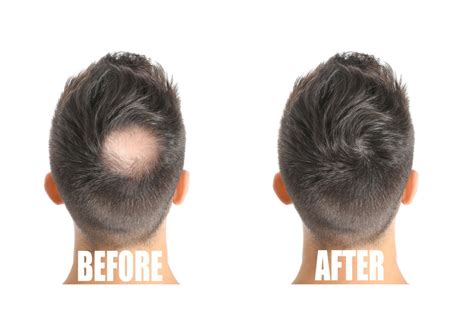
Dermarolling Before & After Results
Dermarolling for hair growth takes time, but consistent use yields visible improvements. While results can vary, a general timeline includes:
- Week 1-2: Mild redness, tingling, and slight shedding (a normal part of the renewal process).
- Month 1-2: Increased scalp circulation, slight thickening of existing hair, and improved skin texture.
- Month 3-4: Noticeable reduction in hair shedding, new baby hairs appear, skin looks smoother and firmer.
- Month 5-6: Significant improvement in hair density, stronger strands, and reduced bald patches.
It is important to note that hair growth can reverse if you stop dermarolling and using supporting products, so consistency is key to long-term results.