Promoting hygiene habits and prioritizing safety for clients are a couple of reasons why-even if you’re a seasoned pro-refreshing your knowledge on sanitary salon environments is crucial. Sterilizing is meant to get rid of microorganisms and helps prevent the transmission of bacteria, fungi, and other viruses that can lurk on nail clippers, files, and pushers. Maintaining sterile nail tools prevents the spreading of germs and assures happy nails.
Methods for Sterilizing Nail Clippers
There are several effective methods for sterilizing nail clippers and other nail tools to ensure they are free from harmful microorganisms. Choosing the right method depends on the type of tool and the level of sterilization required.
Autoclaves
For professional-grade sterilization, consider an autoclave. Autoclaves use steam under pressure to kill all forms of microbial life, including spores, making them the most effective method for achieving complete sterilization.
Alcohol Soak
An alcohol soak can be an effective method for most nail tools. This involves dipping your clippers and other tools in a container filled with at least 70% isopropyl alcohol solution. Ensure the tools are completely covered and let them soak for about 30 minutes or more.
Alcohol soak: Dunk your tools in at least 70% isopropyl alcohol solution for a minimum of 30 minutes.
Boiling Water
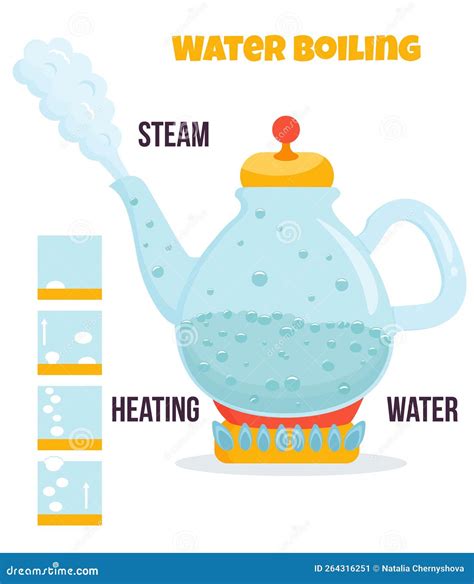
Boiling your nail tools can help sanitize them. Keep in mind that this method is best reserved for sturdy metal tools. It may not be suitable for delicate tools or those with plastic components, as the heat can cause warping or damage.
Fill a pot with clean water and bring it to a full boil. Carefully place your tools in the boiling water for at least 10 minutes.
Boiling water: For a more robust clean, boil the tools for five to 10 minutes.
Essential Pre- and Post-Sterilization Steps
Regardless of the sterilization method chosen, proper preparation and follow-up are vital for ensuring the effectiveness of the process and the longevity of your tools.
Cleaning Before Sterilization
Pro tip: No matter what method you choose, clean your tools with soap and water before sterilization. This initial cleaning removes visible debris and organic matter, allowing the sterilization process to be more effective.
Drying Thoroughly
For sterile tools, moisture is a no-go. After sterilization, ensure your tools are completely dry. Moisture can promote the growth of new microorganisms and lead to corrosion or damage to the tools.
After sterilization, ensure your tools are completely dry.
Maintaining Tool Hygiene and Longevity
Beyond sterilization, several practices contribute to maintaining the hygiene and extending the lifespan of your nail tools.
Do Not Share Personal Tools
Sharing isn't always caring. To prevent the transmission of infections, including fungal infections, it is crucial not to share personal nail tools.
Proper Storage
Keep your sterilized tools secure and away from dust and contamination. Proper storage in a clean, dry environment ensures that tools remain sterile until their next use.
Clean Your Workspace
Don't forget the workspace! Even the best sterilized nail tools do not last forever if the environment they are used in is not clean. Regularly disinfect your manicure stations and surrounding areas.
When to Replace Nail Tools
Even with diligent sterilization and maintenance, nail tools can become compromised over time. Recognizing signs of wear and tear or potential contamination is essential for preventing infections.
Signs of Wear and Tear
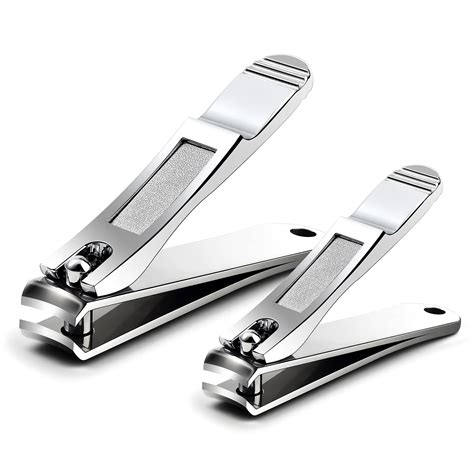
Keep an eye out for damage like rust spots, chipped edges, or dull blades. These issues can not only affect the performance of the tool but also retain bacteria and make it harder to achieve a clean service, potentially leading to infections.
Hygiene Compromise
If your tools have ever been dropped or come into contact with blood or any other bodily fluids, then consider them compromised. In such cases, it is best to discard and replace the tools immediately to avoid any risk of transmitting infections.
Millions don't know 😱 13 SECRET functions of nail clippers
Hygiene is key to nail and spa care, especially at professional salons. Implementing a thorough sterilization routine for your nail clippers and other tools is fundamental to ensuring client safety and preventing the spread of infections like fungus.