Acne is a widespread skin condition that affects a significant portion of teenagers, often leading to embarrassment and a decline in self-esteem. It's crucial for parents and guardians to acknowledge and address their teen's feelings about acne seriously, as it can impact their emotional well-being and social interactions.
What Causes Acne in Teens?
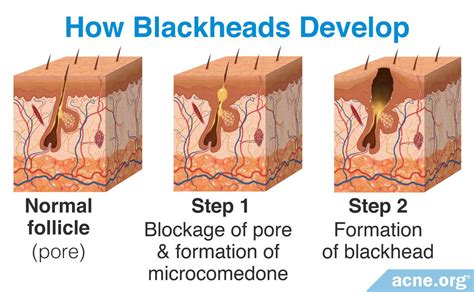
Acne primarily stems from the physiological changes occurring during puberty. The hair follicles in the skin contain sebaceous glands, which produce an oil called sebum. During adolescence, increased hormone levels stimulate these glands to produce excess sebum. This excess oil, combined with dead skin cells, can clog the hair follicles (pores).
The Role of Hormones and Bacteria
Hormonal fluctuations, particularly androgens, are the main culprits behind increased sebum production. This abnormal sebum alters the environment within the hair follicle, allowing the normally harmless bacterium P. acnes (now known as C. acnes) to become more aggressive. This leads to inflammation, redness, and the formation of pus.
Additionally, hormonal changes can thicken the inner lining of the hair follicle, further contributing to pore blockage. It's important to note that cleaning the skin does not effectively remove this internal blockage.
Types of Acne Lesions
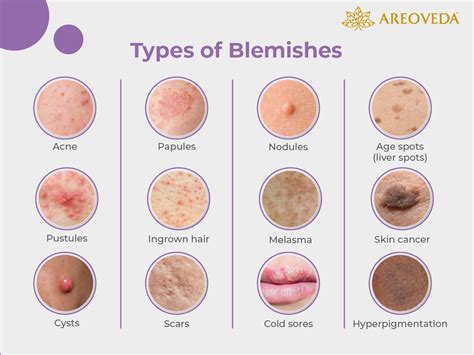
Acne can manifest in several forms:
- Blackheads (Open Comedones): These are pores clogged with oil and dead skin cells that remain open at the surface. Their dark appearance is due to oxidation of the trapped material, not dirt.
- Whiteheads (Closed Comedones): These are also clogged pores, but they are closed off at the skin's surface, appearing as small, white or flesh-colored bumps.
- Pimples (Papules and Pustules): When C. acnes bacteria proliferate and cause inflammation, clogged pores can develop into red bumps (papules) or pus-filled bumps (pustules).
- Nodules and Cysts: These are more severe forms of acne, characterized by larger, often painful lesions that extend into the deeper layers of the skin. They carry a higher risk of scarring.
Other Contributing Factors
While hormones are the primary driver, other factors can influence acne development and severity:
- Genetics: Acne has a hereditary component, meaning it can run in families. If your parents had acne, you are more likely to develop it.
- Skin Care Products and Cosmetics: Oil-based or "comedogenic" products can clog pores and worsen acne. Opting for water-based or "non-comedogenic" alternatives is recommended.
- Friction and Pressure: Prolonged pressure on the skin, such as from tight clothing, helmets, or backpack straps, can exacerbate acne in affected areas.
- Stress: While stress doesn't directly cause acne, it can be linked to flare-ups and worsen existing conditions.
Who is Affected by Acne?
Acne is extremely common, particularly among teenagers and young adults. It is estimated that approximately 95% of individuals between the ages of 11 and 30 experience acne to some extent. The condition typically peaks in adolescence, affecting girls between 14 and 17 years old and boys between 16 and 19 years old. For most, acne symptoms improve and eventually disappear by their mid-20s, although it can persist into adulthood for some.
What Can Make Acne Worse?
Several factors can contribute to the worsening of acne:
- Hormonal Fluctuations: Beyond puberty, hormonal increases before menstrual periods can trigger acne flare-ups in females.
- Diet: While the direct link between diet and acne is still debated, a healthy, well-balanced diet is generally beneficial for skin health.
- Certain Medications: Some acne treatments can make the skin more sensitive to the sun.
- Sun Exposure: Excessive sun exposure can potentially worsen acne and interfere with certain treatments.
Preventing and Treating Teenage Pimples
Effective management of teenage acne involves a combination of good skincare practices, appropriate treatments, and understanding when to seek professional help.
At-Home Skincare Routine
A consistent and gentle skincare routine is fundamental:
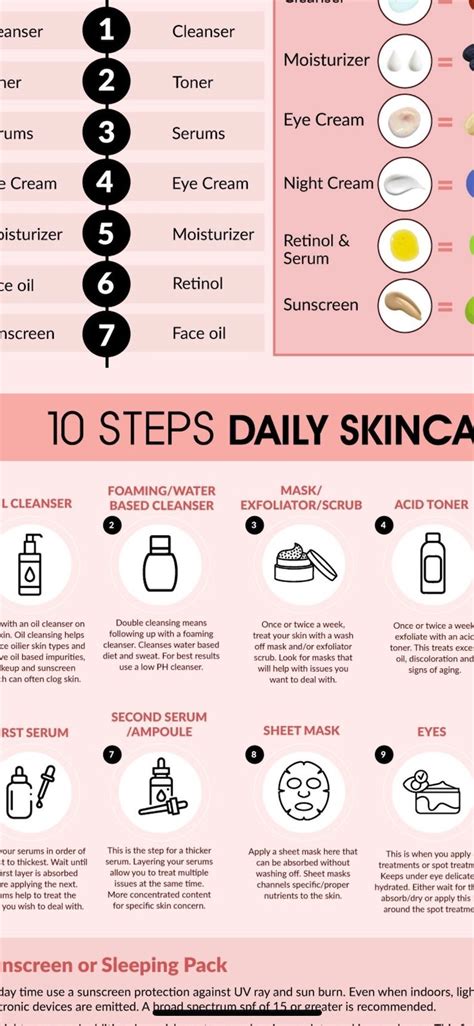
- Cleanse Gently: Wash the affected areas of skin no more than twice a day using a mild soap or cleanser and lukewarm water. Avoid harsh scrubbing, as it can irritate the skin and worsen symptoms. Remember, acne is not caused by dirt but by internal factors like excess oil and bacteria.
- Avoid Picking and Squeezing: Resist the temptation to pick, pop, or squeeze pimples. This can push bacteria deeper into the skin, leading to increased inflammation, infection, and potentially permanent scarring.
- Choose Products Wisely: Opt for oil-free, non-comedogenic skincare products, makeup, and sunscreens to prevent pore blockage.
- Moisturize: Even oily or acne-prone skin needs moisture. Use an oil-free moisturizer, especially if using drying acne treatments.
Over-the-Counter (OTC) Treatments
Several active ingredients are available in OTC products that can help manage mild to moderate acne:
- Benzoyl Peroxide: This ingredient kills acne-causing bacteria (C. acnes) and helps reduce oil production. It's available in various strengths (e.g., 2.5% to 5%) and forms like washes and leave-on gels. Be aware that benzoyl peroxide can bleach fabrics.
- Salicylic Acid: This beta-hydroxy acid (BHA) helps to exfoliate the skin by dissolving dead skin cells, preventing pores from becoming clogged. It's available in cleansers, lotions, and pads.
- Adapalene: This is a topical retinoid available over-the-counter that helps to unclog pores and prevent new breakouts. A pea-sized amount should be applied to the entire face, avoiding sensitive areas like the eyes and mouth.
- Hydrocolloid Pimple Patches: These small stickers can be effective for individual pimples by covering and protecting them while absorbing excess fluid and bacteria.
Prescription Treatments and Medical Advice
For moderate to severe acne, or when OTC treatments are ineffective, consulting a healthcare professional is essential.
- Topical Medications: Prescription-strength topical retinoids (like tretinoin, tazarotene), topical antibiotics (clindamycin, erythromycin, often combined with benzoyl peroxide), and azelaic acid are commonly prescribed. Dapsone gel is another option for inflamed acne.
- Oral Medications:
- Antibiotics: Oral antibiotics (e.g., tetracycline, minocycline, doxycycline) are used to kill bacteria and reduce inflammation, typically for moderate to severe acne.
- Hormonal Treatments: For females, certain contraceptive pills or spironolactone can help regulate hormones that contribute to acne.
- Isotretinoin: This powerful oral retinoid is reserved for severe, persistent acne, especially when scarring is a concern. It significantly reduces oil production and has long-lasting effects but requires close medical supervision due to potential side effects.
- Other Therapies: For severe acne or acne scars, treatments like steroid injections for large nodules, laser therapy, and chemical peels may be recommended by a dermatologist.
When to Seek Medical Advice
It is advisable to consult a healthcare provider in the following situations:
- If mild acne does not improve with OTC treatments after several weeks.
- If acne is causing significant emotional distress or affecting self-esteem.
- If you have moderate to severe acne, including nodules or cysts, to prevent scarring.
- If you notice signs of scarring developing.
The Importance of Patience and Support
Acne treatments can take time to show results, often several months. It's crucial to be patient and consistent with the chosen treatment plan. Parents play a vital role in providing emotional support and understanding to their teens, helping them cope with the embarrassment and frustration that acne can bring. Educating your child about acne and encouraging good self-care habits can empower them to manage their skin health effectively.