Bee venom has a long history of use in traditional apitherapy, and it is currently experiencing a resurgence in popularity for its potential benefits in supporting skin health and appearance. Bee venom cream is a topical product formulated with apitherapy-grade bee venom, blended with nourishing oils, butters, and botanical ingredients. Unlike direct bee stings, topical application delivers micro-doses of venom through the skin without causing punctures.
Understanding the Components of Bee Venom
Bee venom contains several biologically active compounds that contribute to its effects:
- Melittin: Known for supporting circulation and inflammatory response pathways.
- Apamin: Associated with nerve signaling.
- Adolapin: Studied for its role in pain modulation.
- Phospholipase A2: Involved in immune system signaling.
When applied topically, bee venom can create a localized response that may help stimulate blood flow, invigorate sluggish tissue, and support the body's natural processes.
How Bee Venom Cream Supports Pain Relief
Bee venom cream is frequently utilized to provide comfort in various areas, including:
- Joints such as knees, hands, and shoulders.
- Muscle soreness and stiffness.
- Arthritis-related discomfort.
- Nerve sensitivity.
- Old injury sites with limited circulation.
Step-by-Step Instructions for Pain Relief Application
- Patch Test First (Always): Apply a pea-sized amount to the inner forearm and wait 24 hours. Do not proceed if you experience swelling, hives, or breathing difficulties.
- Apply to Clean, Dry Skin: Use a pea to nickel-sized amount and gently massage it into the affected area.
- Expect a Sensation: Mild warmth, tingling, or redness is normal and typically lasts 10 to 30 minutes.
- Frequency: Start with once daily use. You can increase to two or three times per day as tolerated.
- Wash Hands After Use: Avoid touching your eyes or other sensitive areas.
Pro Tip for Pain Use: For deeper joint or muscle discomfort, apply after a warm shower or light movement to enhance absorption.
How Bee Venom Cream Supports Wrinkles and Aging Skin
Bee venom is often referred to as "nature's Botox" because it encourages circulation and promotes a temporary firming response in the skin, rather than freezing muscles. When used consistently, bee venom cream may contribute to:
- An improved appearance of fine lines.
- Smoother skin texture.
- A more even skin tone.
- A subtle tightening and plumping effect.
How to Use Bee Venom Cream on Your Face
When applying bee venom cream to the face, it is crucial to follow specific steps to ensure safety and efficacy.
Step-by-Step Facial Application
- Patch Test (Non-Negotiable): Test behind the ear or along the jawline and wait 24 hours.
- Cleanse Thoroughly: Apply only to clean, dry skin. Initially, avoid layering over acids, retinol, or exfoliants.
- Use a Very Small Amount: Start with a grain of rice size for the entire face. Focus on areas such as the forehead, crow's feet, smile lines, jawline, and neck if desired.
- Gently Press, Do Not Rub Aggressively: Light tapping or gentle pressing is most effective.
- Let It Absorb: Wait 10 to 15 minutes before applying other skincare products.
- Frequency: Begin with two to three times per week and gradually increase to daily use as tolerated.
What You Should Feel
During application, you might experience:
- Mild tingling or warmth.
- Slight redness that fades within approximately 30 minutes.
This response is considered normal and indicates increased circulation.
What Not to Do When Using Bee Venom Cream
- Do not use if you have a known allergy to bee venom.
- Do not apply to broken, irritated, or inflamed skin.
- Do not use before sun exposure; nighttime use is generally recommended.
- Do not layer immediately with retinoids or strong acids.
- Do not assume that more is better; micro-dosing is essential.
BEE VENOM FACIAL CREAM REVIEW
Bee Venom Cream vs. Live Bee Venom Therapy
Topical bee venom cream is not a substitute for live bee venom therapy but can serve as a helpful option for:
- Beginners exploring apitherapy.
- Maintenance between stinging sessions.
- Support for pain and skin appearance.
- Non-invasive use on sensitive areas like the face.
Bee venom cream serves as a potent reminder of the hive's offerings beyond honey. When used respectfully and intentionally, it can support comfort, circulation, and skin vitality without harsh chemicals or synthetic fillers. As with all apitherapy tools, it is advisable to start slowly, listen to your body, and remain consistent.
Understanding Bee Venom: Safety and Efficacy
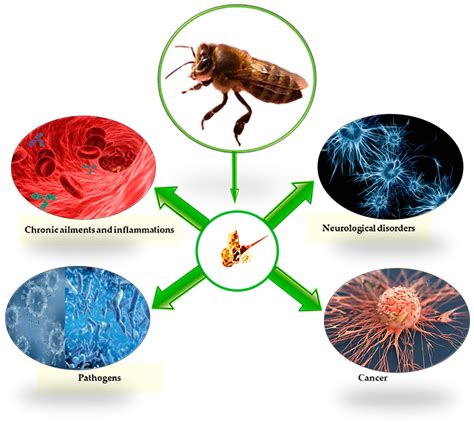
Bee venom is a colorless, acidic liquid that bees excrete when they feel threatened. Research suggests it may possess a range of health benefits, including reducing inflammation and potentially aiding in the treatment of chronic illnesses. However, it is important to note that research in some areas is still inconclusive and may require larger sample sizes and longer testing periods.
Components and Potential Effects
Bee venom contains various substances with potential positive and adverse health effects. Melittin, a primary component, has demonstrated antiviral, antibacterial, and anticancer effects in certain studies. Phospholipase A2, another component, is known to cause inflammation but may also exhibit anti-inflammatory and immunoprotective effects in some contexts. The isolated effects of each component are not fully understood, as many have not been extensively studied.
Apitherapy and Its Forms
Apitherapy is an alternative medicine practice that utilizes bee products, including venom, for therapeutic purposes. While bee venom has gained recent popularity, its use in medicine dates back thousands of years. It is incorporated into various products such as extracts, supplements, moisturizers, and serums.
Potential Therapeutic Applications
Bee venom injections have been explored for their potential benefits in managing inflammation, pain, arthritis, Parkinson's disease, and cancer. However, further controlled trials are needed to confirm these therapeutic effects. Bee venom is also used in live bee acupuncture or bee-sting therapy, a method believed to relieve pain through induced stings.
Anti-inflammatory Properties
One of the most recognized benefits of bee venom is its potent anti-inflammatory action, largely attributed to compounds like melittin. While high doses can cause irritation, smaller amounts may suppress inflammatory pathways and reduce inflammatory markers, potentially benefiting inflammatory conditions. However, more human research is required to solidify these findings.
Reduction of Arthritis-Related Symptoms
The anti-inflammatory effects of bee venom may offer relief for individuals with rheumatoid arthritis (RA). Some studies suggest that bee-venom acupuncture can provide symptom relief comparable to traditional RA medications. Nonetheless, high-quality studies are still needed to confirm these effects.
Neuroprotective and Motor Function Effects
Research indicates that bee venom may improve motor function and reduce oxidative stress in individuals with Parkinson's disease. When used in conjunction with Parkinson's medications, it has shown potential to enhance therapeutic outcomes. These preliminary results suggest bee venom could serve as a complementary therapy.
Skin Health and Cosmetic Applications
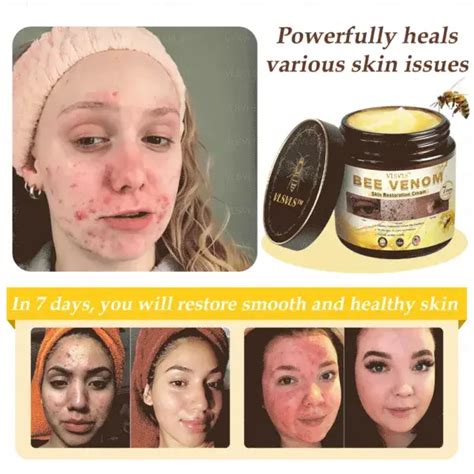
Bee venom is incorporated into various skincare products due to its potential anti-inflammatory, antibacterial, and regenerative properties. Research suggests that low-dose topical treatments may improve conditions like acne, eczema, and alopecia, accelerate wound healing, and reduce facial wrinkles.
Immune Health
Studies indicate that bee venom has immunomodulatory effects, potentially suppressing inflammatory responses and strengthening immune tolerance. While some components can activate the immune system, bee venom may also help shift the immune system towards an anti-inflammatory focus.
Potential Adverse Effects and Risks
While bee venom offers potential benefits, it is crucial to be aware of the associated risks. Professional supervision is essential for any therapeutic use of bee venom.
Common Adverse Reactions
- Anaphylaxis and Sensitization: Bee venom can trigger life-threatening allergic reactions, even in individuals who have previously tolerated it.
- Local Adverse Reactions: Injections and topical applications can lead to itching, swelling, pain, and skin irritation. Bee venom creams may cause irritation, edema, rashes, and, in some cases, systemic allergic reactions.
- Severe Toxic or Neurological Reactions: High doses of bee venom can lead to toxicity, including severe and persistent muscle pain, tissue damage, and premature destruction of red blood cells. A significant percentage of trials involving bee venom have reported adverse reactions.
Special Precautions and Warnings
- Pregnancy and Breast-feeding: High doses of bee venom are considered possibly unsafe during pregnancy due to the potential to increase histamine release, which can cause uterine contractions and potentially lead to miscarriage. Avoid high doses if pregnant.
- Auto-immune Diseases: Bee venom may stimulate the immune system, potentially worsening symptoms of auto-immune conditions like multiple sclerosis, lupus, and rheumatoid arthritis. Individuals with these conditions should exercise caution or avoid bee venom.
Interactions
Bee venom may interact with medications that suppress the immune system. Caution is advised when combining bee venom with drugs like azathioprine, cyclosporine, prednisone, and other corticosteroids.
Important Safety Disclaimer
This product and the information provided are not intended to diagnose, treat, cure, or prevent any disease. Bee venom products should not be used by individuals with known bee or venom allergies. Bee venom is the poison bees use for defense and can cause painful stings. While used in some medicinal contexts, it is distinct from bee pollen, honey, propolis, or royal jelly. Purified bee venom for injection is an FDA-approved product for bee sting allergy desensitization, offering high protection rates. However, its effectiveness for other conditions like multiple sclerosis, osteoarthritis, Parkinson's disease, stroke, and various pain syndromes is not well-established or requires further research. When administered as a shot by a trained professional, bee venom is generally considered likely safe, though side effects like redness, swelling, itching, and, in rare cases, serious allergic reactions like anaphylaxis can occur. When applied topically, there is less reliable information on its safety and potential side effects. It is crucial to consult with a healthcare professional for personalized advice and before starting any new treatment.