Down jackets are renowned for their exceptional insulating properties. However, their effectiveness can be significantly diminished when they become wet or dirty. While advancements in treated down have addressed some issues related to moisture, dirt and body oils remain primary culprits in reducing insulation performance. Specific cleaning products are formulated to address these challenges and maintain the garment's loft and water-repellent qualities.
Understanding Down Garment Care
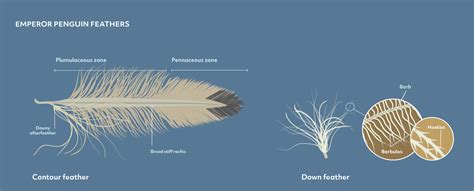
Down feathers are delicate and require specific care to maintain their loft, which is essential for trapping air and providing warmth. When down becomes compressed, either by dirt, oils, or prolonged storage in a compressed state, it loses its ability to re-loft and provide optimal insulation. Therefore, proper washing and drying techniques are crucial for preserving the performance and longevity of down garments.
The Importance of Specialized Cleaners
Using regular detergents on down garments can strip away natural oils and damage the down's loft. Specialized cleaners, such as Nikwax Down Wash Direct, are formulated to gently clean down without compromising its insulating properties. These products not only clean but also help maintain any existing water resistance on treated down and can impart a degree of exterior water repellency.
Nikwax Down Wash Direct is specifically designed to:
- Clean down garments effectively without reducing loft.
- Maintain the water resistance of treated down.
- Provide some exterior water repellency.
Washing Your Down Vest
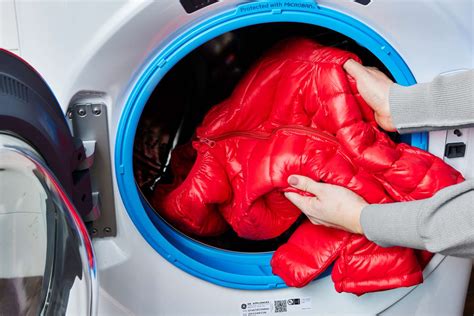
Before beginning the washing process, it's essential to prepare your washing machine. Clean out any residual detergent from previous washes to prevent contamination. Always refer to the garment's specific care instructions and the product label for accurate dosage recommendations.
Step-by-Step Washing Guide:
- Prepare the Washing Machine: Ensure the washing machine is free of any leftover detergent.
- Read Labels: Consult the garment's care tag and the washing product's instructions for specific dosage and temperature guidelines.
- Wash: Use the recommended amount of specialized down wash.
- Rinse Thoroughly: It is critical to rinse the garment completely to remove all traces of detergent and dirt. A double rinse cycle is often recommended for down garments to ensure no residue remains.
Drying Your Down Vest
Drying is a critical step in restoring the loft and warmth of a down vest after washing. Damp down tends to clump together, significantly reducing its insulating capabilities. Patience and the correct drying method are key.
Effective Drying Techniques:
- Low Heat Setting: Always use a low heat setting on your dryer. High heat can damage the down and the outer fabric.
- Tennis Balls: Toss one or two clean tennis balls (or dryer balls) into the dryer with the vest. These will help to break up clumps of down as the garment tumbles, aiding in even drying and loft restoration.
- Patience is Key: Drying a down vest can take a considerable amount of time, often ranging from one to three hours.
- Regular Checks: Periodically check the vest and reset the dryer timer. Continue drying until the down is completely dry and free of lumps.
- Shaking: Gently shake the jacket every 10-15 minutes during the drying cycle to help break up clumps and redistribute the down evenly.
How to Wash a Puffer Jacket and Keep It Fluffy!
Proper Storage of Down Vests
How you store your down vest when it's not in use plays a significant role in maintaining its loft. Storing a down garment tightly compressed for extended periods can make the down feathers more resistant to re-lofting.
Storage Recommendations:
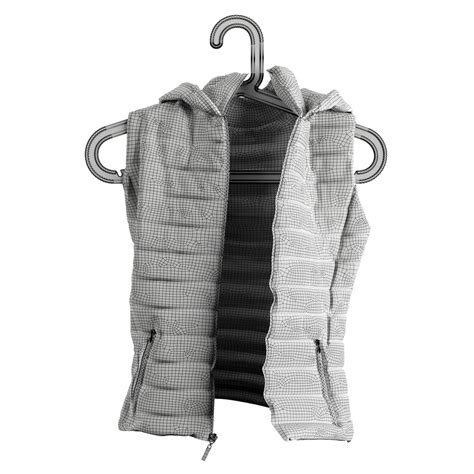
- Hanger Storage: Whenever possible, store your down vest on a hanger. This allows the down to remain uncompressed and maintain its natural loft.
- Avoid Stuff Sacks: Do not store your down vest in a tight stuff sack for long-term storage. Stuff sacks are designed for transport and should only be used temporarily.
Results of Proper Care
Following these care instructions will yield noticeable results. Your down vest will emerge from the drying process not only clean but also significantly puffier and warmer. Gentle cleansing with the right products helps to restore the natural loft of the delicate feathers, reinvigorating the down and ensuring your vest provides maximum warmth and comfort for all your future adventures.
Caring for Other North Face Garments
While this guide focuses on down vests, North Face offers a variety of outerwear, each with specific care needs. Understanding these can help protect your investment.
GORE-TEX® Garments:
GORE-TEX® is a waterproof and breathable fabric that requires specific cleaning to maintain its performance. Always consult the manufacturer's care tag first.
- Washing: Wash in warm water (105°F/40°C) using a small amount of liquid detergent. Avoid powder detergents, fabric softeners, and chlorine bleach. A gentle cycle with minimal spinning is recommended to prevent creasing or damage.
- Frequency: Wash as needed to remove impurities like dirt, campfire smoke, and cooking odors. Washing helps restore the Durable Water Repellent (DWR) finish.
- Detergent Type: Liquid detergents are preferred over powder detergents.
- Washing Separately: GORE-TEX® garments do not need to be washed alone. They can be washed with similar, lightly soiled garments. A second rinse cycle is advisable.
- Stain Removal: Avoid commercial stain removers. Use liquid detergent in a pre-wash cycle or soak the garment in warm water with liquid detergent.
- Bleach: Never use bleach on GORE-TEX® garments, as it can affect color and performance.
- Professional Cleaning: While dry-cleaning may not harm waterproof fabric, always follow the manufacturer's specific recommendations.
General North Face Jacket Care:
For most North Face jackets, including waterproof ones, machine washing is acceptable. Always follow these general guidelines:
- Preparation: Zip up all zippers and fasten Velcro closures. Turn the jacket inside out.
- Washing: Use warm water on a delicate cycle with mild detergent.
- Drying: Tumble dry on low heat with dryer balls or clean tennis balls. Shake the jacket every 10 minutes to break up clumps.
- Water Temperature: Waterproof and fleece jackets should generally be washed in cold water, as hot or warm water can damage the material.
- Stain Treatment: Treat stains promptly by rubbing the area with mild detergent, letting it sit for a few minutes, then washing as usual.
- Waterproofing Revival: Every few washes, use a spray-on or wash-in waterproofing product to revive the DWR coating.
Fleece Jackets:
To prevent pilling (the formation of small balls of fiber) on fleece jackets, wash them inside out.
- Washing Machine: If possible, use a front-loading washing machine or a top-loading machine without an agitator to minimize damage.
- Drying: Fleece can shrink or be damaged in high temperatures. It is better to hang fleece jackets or lay them flat to dry.