Hyaluronic acid, a versatile molecule, plays a significant role in various biological processes, including wound healing. This long, chain-like polymer possesses numerous sites where other chemical compounds can attach, enabling it to absorb and retain substantial amounts of water. This remarkable water-absorbing capacity makes it a key ingredient in moisturizing products and an efficient transporter of other molecules throughout the body. Its ability to attach to cells also makes it a subject of study for targeted drug delivery. Furthermore, hyaluronic acid's chain-like structure acts as a scaffold, supporting tissue growth, which is a crucial aspect of wound healing.
Scientists have identified hyaluronic acid in human embryos, prompting research into its role in reproduction and development. Its effectiveness depends on its application, and ongoing research continues to uncover new beneficial uses. Currently, it is most commonly utilized for skin, joint, and eye health, with hundreds of scientific studies and trials worldwide investigating its potential.
Long-term use of hyaluronic acid, whether through serums applied to the skin or oral supplements, can improve overall skin health, flexibility, and elasticity, leading to softer, stretchier skin. While hyaluronic acid is widely used in fillers to repair acne scars, research into its direct treatment of acne is limited, with insufficient evidence of effectiveness for active breakouts.
Hyaluronic acid is generally considered safe for topical application in serums, creams, lotions, and eye care products. Oral supplements are also deemed safe, though it's advisable to inform a healthcare provider about their use. Prescription products and injections containing hyaluronic acid should only be administered by licensed medical professionals as directed.
Consulting a healthcare provider about hyaluronic acid is recommended if you are considering it as a supplement.
Understanding Hydrocolloid Bandages
Open areas of the skin, such as scrapes and oozing pimples, heal best in moist, sealed environments. Hydrocolloid bandages, patches, and dressings are designed for this purpose. Unlike standard bandages, they contain an ingredient that transforms into a gel upon absorbing wound fluids like pus, creating an effective healing environment for specific conditions. This article will explore how hydrocolloid bandages work and their application in wound and acne care.
How Hydrocolloid Bandages Work
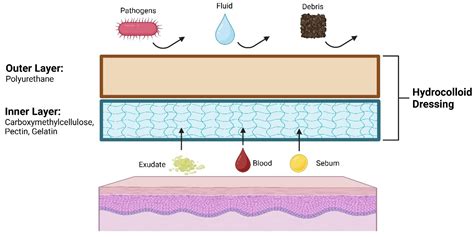
Hydrocolloid bandages consist of two layers. The outer layer, made of thin foam or polyurethane film, forms a seal to protect the wound from germs and infection-causing bacteria. This outer seal can be nonpermeable (blocking air and moisture) or semipermeable (blocking moisture but allowing air). The inner layer contains hydrocolloid materials that absorb wound secretions and convert them into a gel. This gel creates a moist healing environment and prevents the wound from sticking to the bandage, thus avoiding the accidental removal of scabs.
Key Ingredients in Hydrocolloid Bandages
The active ingredients in hydrocolloid bandages vary by manufacturer and are often used in combination. Common components include:
- Sodium carboxymethyl cellulose: Provides thickening and swelling properties for gel formation.
- Gelatin: A collagen-derived protein that stimulates blood clotting to accelerate healing.
- Pectin: Offers structural support for cell and tissue regrowth, acting as a cell scaffold.
Hydrocolloid Bandages for Acne
Often referred to as pimple patches or stickers, hydrocolloid bandages for acne may include additional active ingredients specifically designed to reduce breakouts and inhibit oil production. These can include:
- Tea tree oil: Possesses anti-inflammatory and antiseptic properties.
- Salicylic acid: Dissolves dead skin cells and exfoliates the skin.
- Glycolic acid: Exhibits antibacterial properties and exfoliates the skin.
- Niacinamide: Regulates oil production, reduces redness, and minimizes pore size.
Benefits and Effectiveness of Hydrocolloid Bandages
Hydrocolloid bandages maintain moist and clean wound conditions, free from drainage and contaminants, while also possessing properties that support healing. A 2021 study on wound care after dermatologic surgery found hydrocolloid bandages effective in improving scar appearance, and participants noted their comfort and convenience during recovery due to their ability to stay in place for several days.
While a 2014 systematic review did not find conclusive evidence of superiority over other bandage types for chronic bedsores (pressure ulcers), it highlighted hydrocolloid bandages' effectiveness in:
- Maintaining a humid environment conducive to wound healing.
- Controlling wound seepage.
- Facilitating the breakdown of damaged wound tissue.
- Reducing pain.
- Providing a barrier against dirt, debris, and infection-causing bacteria.
- Supporting the formation of new connective tissue and collagen.
- Maintaining an optimal acidic pH for preventing bacterial growth.
- Maintaining the ideal temperature for wound healing.
- Promoting the development of new blood vessels.
Proper Usage and Application of Hydrocolloid Bandages
Choosing the Right Bandage
Hydrocolloid bandages are available in various types, sizes, and shapes. Select a bandage large enough to cover the entire wound without stretching it, which could pull on the wounded area. For certain locations, assistance may be needed for application.
Application Steps
- Wash your hands thoroughly.
- Clean the wound with a wound cleaner or saline solution.
- Ensure the wound and surrounding skin are dry, as hydrocolloid bandages do not adhere well to wet skin. Pat dry gently with a clean cloth or allow the area to air dry.
- Carefully remove the backing from the bandage, avoiding touching the part that will contact the wound.
- Gently place the bandage over the wound. Do not pat it down over the wounded area, but you can secure the edges as needed.
As the gel forms, the bandage will soften and conform to the body's shape. Due to their absorbent nature, hydrocolloid bandages can remain in place for 3 to 7 days, significantly longer than traditional bandages. Always read and follow the specific instructions provided by the manufacturer for the bandage you are using.
Tips for Usage
- Never cut the bandages.
- Carefully remove any white paper tabs.
Proper Removal
Unlike some other bandages, BAND-AID® Brand HYDRO SEAL® bandages can stay on for several days and can be worn until they begin to detach on their own. If removal is necessary, gently loosen one end by stretching it along the skin. Do not reapply bandages after removal.
Hydrocolloid Dressing DEMO: The Secret to Faster Wound Healing (Waterproof & Pain-Free!)#WoundCare
Specific Applications and Considerations
Wound Care
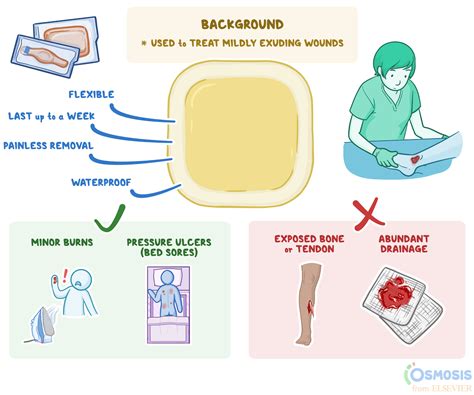
Hydrocolloid bandages are suitable for minor wounds, including blisters and burns. They provide advanced protection and cushioning, offering comfort and relief from pain. The BAND-AID® Brand HYDRO SEAL® All Purpose Hydrocolloid Gel Bandages, for instance, offer a dual-action seal that keeps germs out while retaining the body's natural healing power. They are 100% waterproof, cushion wounds, help prevent scabs (which can lead to scarring), and show signs of healing by forming a white bubble within 24 hours.
Acne Treatment
Hydrocolloid patches, or pimple patches, are commonly used for acne treatment. They absorb pus from blemishes, accelerate healing, and reduce inflammation and the size of spots. Covering acne with these patches also prevents picking or popping, thus protecting the skin from further damage. A 2006 clinical trial indicated that hydrocolloid dressings significantly reduced inflammation, acne severity, oiliness, and pigmentation in mild to moderate inflammatory acne, though further research is needed to confirm these findings.
When using hydrocolloid patches for acne, it is best to apply them to clean, dry skin. They can be left on overnight or for several hours until they turn white, indicating absorption. Gently peel off the patch and repeat as needed. Some patches may contain additional ingredients like salicylic acid or tea tree oil to enhance acne treatment.
When to Consult a Healthcare Provider
Hydrocolloid bandages are generally safe for appropriate use. However, individuals with compromised immune systems are at a higher risk of infection and should consult their doctor before using these bandages, as they create a moist, enclosed environment. Hydrocolloid bandages are not suitable for infected areas. People with thin or compromised skin should be cautious, as the strong adhesion may cause skin tearing. Always seek professional medical advice for serious wounds, including third-degree burns and chronic wounds.
Hydrocolloid bandages are not appropriate for heavily bleeding wounds or infected wounds due to their occlusive nature. They are best suited for open, superficial wounds and open pimples.
Hydrogel Wound Dressings: A Related Technology
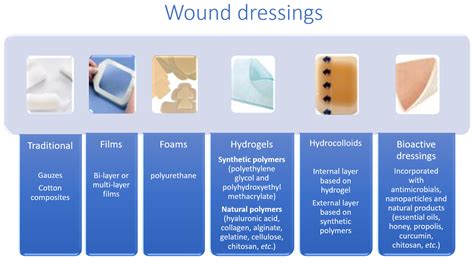
Hydrogel wound dressings, composed primarily of water in a gel base of hydrophilic polymers, offer an alternative for wound care. They are non-adherent, available in sheets, amorphous gels, or impregnated gauze, and are ideal for maintaining a moist wound environment. Hydrogels can reduce pain, promote autolytic debridement (softening and removal of necrotic tissue), and serve as a medium for medication delivery.
Hydrogel dressings are suitable for dry or lightly draining wounds, granulating wounds, and radiation skin damage but are not recommended for wounds with heavy drainage, as this can lead to maceration of the surrounding tissue and wash out the gel. Some hydrogels contain silver ions to combat significant bioburden or localized infection.
Hydrogel dressings can be used as a medium for topical medications and may benefit infected wounds, though they require a secondary dressing to remain contained. Amorphous gels are versatile and easy to use, while hydrogel sheets are highly conformable, particularly for painful wounds like partial-thickness burns. Research on hydrogel wound dressings and moist wound healing dates back to the 1970s and 1980s, confirming their continued effectiveness when used appropriately.
tags: #hyaluronic #acid #bandage