Androgenetic alopecia (AGA) is a common form of hair loss that affects a significant percentage of the population. While various treatments exist, research into the efficacy of stabilized hyaluronic acid (HA) for hair loss is ongoing. This article explores the potential benefits of hyaluronic acid for hair health, including its role in combating hair loss and improving hair quality, based on clinical evaluations and expert insights.
Understanding Hair Loss and Androgenetic Alopecia
Hair loss, also known as alopecia, is a widespread condition, with approximately fifty percent of men and women experiencing it at some point in their lives. Hair loss on the scalp can have a substantial negative impact on an individual's aesthetics and quality of life. Alopecia is broadly classified into scarring and non-scarring types. Non-scarring alopecia is more prevalent in clinical practice, whereas scarring alopecia, characterized by damaged hair follicles and permanent hair loss, is rare. Common forms of non-scarring alopecia include androgenetic alopecia (AGA), alopecia areata (AA), anagen effluvium, and telogen effluvium.
Androgenetic alopecia (AGA) is particularly common, affecting an estimated 50% of women and 80% of men. Its prevalence increases with age after puberty, and it is observed more frequently in individuals of White descent compared to those of African American and Asian backgrounds. AGA is characterized by hair thinning and subsequent loss, driven by the action of dihydrotestosterone, a metabolite of testosterone. Diagnostic markers for AGA include reduced hair thickness, an increased number of miniaturized hairs (diameter less than 0.03 mm), significant variation in hair diameter (over 20%) in androgen-dependent areas, and a reduced number of hairs per pilosebaceous unit.
Current Treatments for AGA
A range of treatments are available for AGA, including pharmacological agents and other interventions. These include:
- Minoxidil
- Dutasteride
- Finasteride
- Hormonal therapies (e.g., spironolactone, cyproterone acetate)
- Agonists and antagonists of prostaglandins
- Androgen receptor inhibitors
- Platelet-rich plasma (PRP)
- Plant-based oils
Hyaluronic Acid in Hair Care: Research and Applications
While hyaluronic acid (HA) has gained recognition for its benefits in skincare due to its humectant properties, its potential in hair care is also being explored. HA's ability to retain moisture can contribute to improved hair hydration and texture.
Hyaluronic Acid as a Vehicle and Its Direct Effects
In animal models of AGA, hyaluronic acid liposomes have been utilized as carriers for delivering drugs like minoxidil. However, there have also been reported instances of alopecia following cutaneous hyaluronic acid injections. Despite these varied findings, other studies suggest that compounds containing hyaluronic acid can exert beneficial effects on alopecia.
Research indicates that the application of non-cross-linked hyaluronic acid, when combined with autologous platelet-rich plasma and supplemented with amino acids (proline, glycine, alanine) and vitamin B2, has led to an increase in hair density in women with androgenic alopecia. Furthermore, a serum containing hyaluronic acid, supplemented with copper, niacinamide, thiamine, riboflavin, and biotin, has shown significant improvements in hair growth rate, the number of terminal hairs, and hair shaft diameter in women with polycystic ovary syndrome and associated alopecia.
CELLBOOSTER® Hair (CH) Study: Clinical Evaluation
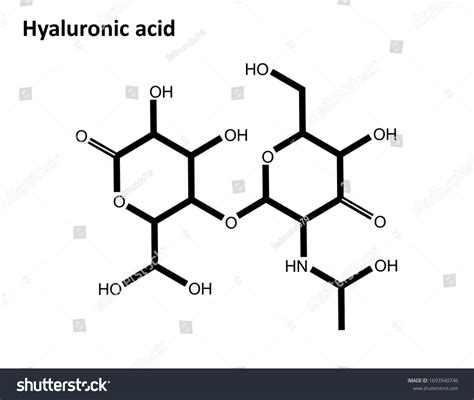
This study specifically investigated the effects of CELLBOOSTER® Hair (CH), a scalp bio-revitalizer, on hair density and quality. CH is formulated with high-molecular-weight, non-cross-linked hyaluronic acid that is mechanically stabilized. It is further supplemented with a blend of vitamins (niacin, vitamin B5, vitamin B6, vitamin B7, vitamin B12, rutin), ions (copper, zinc), and amino acids (arginine, cysteine, glutamine, glycine, lysine).
Methodology of the CH Study
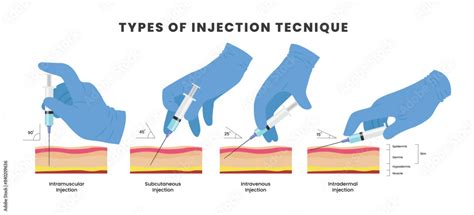
The study involved twenty-six healthy volunteers of both sexes diagnosed with moderate AGA. Participants received six sessions of CH injections administered via the micro-papule technique at two-week intervals. Each session involved the injection of 3 mL of CH. Hair loss, hair thickness, and shine were assessed using macro-photographs. A follow-up questionnaire was administered at 40 and 90 days post-treatment to gauge volunteer satisfaction. Additionally, dermatological assessments were conducted to evaluate the treatment's tolerability.
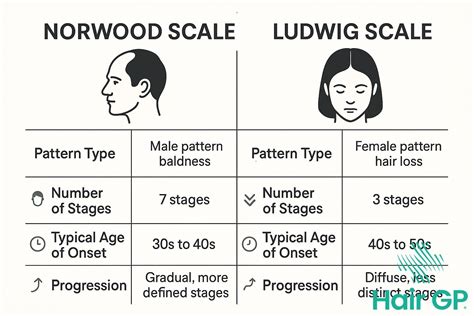
The male subjects were classified using grades II and III on the Hamilton-Norwood scale, while female subjects fell into grades I and II on the Ludwig scale, indicating incipient baldness in the recruited cohort.
Evaluation Metrics for Scalp Effects
To evaluate the effects of CH on the scalp, several tests were performed before treatment and at 40 and 90 days post-treatment:
- Scalp Photographs: Macro-photographs were taken from various views (temple, frontal, occipital, vertex) using a specialized dermatology camera.
- Hair Quality Analysis: This involved assessing three parameters:
- Hair Thickness: Scored from 0 (fine hair) to 3 (very thick hair), with higher scores indicating improved thickness.
- Hair Shine: Scored from 0 (dull hair) to 3 (very shiny hair), with higher scores indicating increased shine.
- Hair Loss Evaluation: Scored from 0 (no hair loss) to 3 (significant hair loss), with lower scores indicating improvement.
- Hair Density Measurement: Assessed using macro-photographs from six specific scalp areas. A global score ranging from 0 to 24 was calculated, with higher scores indicating improved density.
- Hair Thickness Evaluation: Also measured via macro-photographs from the same six areas, resulting in a global score from 0 to 24, where higher scores indicate increased thickness.
- Hair Shine Measurement: Quantified using a Glossymeter, which measures light reflection to assess the shine of the hair surface.
Results of the CH Study
The study results indicated a significant improvement in hair thickness, shine, and density following treatment with CH. The treatment also demonstrated a significant reduction in scalp hair loss. Dermatologically, the treatment was found to be excellently tolerated, with no observed complications. A notable finding was that 88.5% of the volunteers reported that CH treatment improved their appearance. In summary, the CH treatment was found to reduce hair loss and promote hair growth.
Understanding Hyaluronic Acid's Properties for Hair
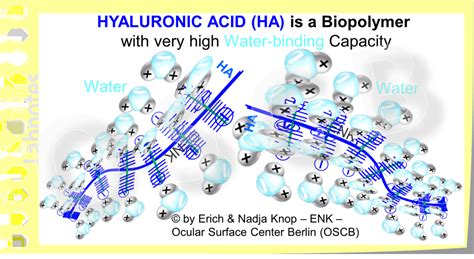
Hyaluronic acid is a naturally occurring substance in the body, including the skin and eyes. In skincare and haircare products, it is typically lab-produced. Its primary function is as a humectant, meaning it attracts and retains moisture.
How Hyaluronic Acid Benefits Hair:
- Moisture Retention: Hyaluronic acid can absorb up to 1,000 times its weight in water, providing essential hydration to hair follicles and strands.
- Improved Appearance: By adding moisture, HA can contribute to a smoother, less frizzy appearance of the hair.
- Revitalization: It may help revitalize hair that has become dry and thin, potentially due to aging or other factors.
- Enhanced Texture and Volume: HA can improve the overall look and texture of hair, potentially adding volume.
- Reduced Porosity: For damaged or bleached hair, which tends to be more porous and loses moisture easily, HA can help reduce porosity and minimize moisture loss.
- Scalp Hydration: It can also moisturize dry and flaky scalp areas, contributing to overall scalp health.
While hyaluronic acid is beneficial for hydration and improving hair's appearance, it is important to note that it does not repair structural damage to the hair shaft. Its primary action is on the surface, providing moisture and improving the look and feel of the hair.
Incorporating Hyaluronic Acid into Your Hair Care Routine
Hyaluronic acid can be incorporated into a hair care routine through various product types, including shampoos, conditioners, masks, and leave-in treatments or serums. The method of application and the duration of contact will depend on the specific product used.
Product Types and Application
- Shampoos and Conditioners: These products provide moisture during wash days and are suitable for regular maintenance. Some anti-dandruff shampoos, for instance, contain hyaluronic acid to moisturize the scalp while treating flakes.
- Hair Masks: Intensive moisture masks with hyaluronic acid can be used weekly for deeper hydration.
- Leave-in Treatments and Serums: These products have extended contact with the hair and scalp, offering deeper hydration and longer-lasting softness. They can typically be applied daily to dry or damp hair.
When choosing hair care products containing hyaluronic acid, it is advisable to look for formulations that also include strengthening ingredients such as keratin, collagen, or nourishing oils (e.g., jojoba, argan oil). For optimal results, it is recommended to massage the product into the scalp and comb it through the hair.
Can Facial Hyaluronic Acid Products Be Used on the Scalp?
While it is possible to use facial hyaluronic acid serums on the scalp in a pinch, it is generally not ideal. Haircare products are specifically formulated with the appropriate texture, spreadability, and supporting ingredients to effectively work on the scalp and hair fiber. Facial formulations might be too sticky, too light, or lack the necessary ingredients to seal in moisture on the hair.
Hair Types That Benefit Most
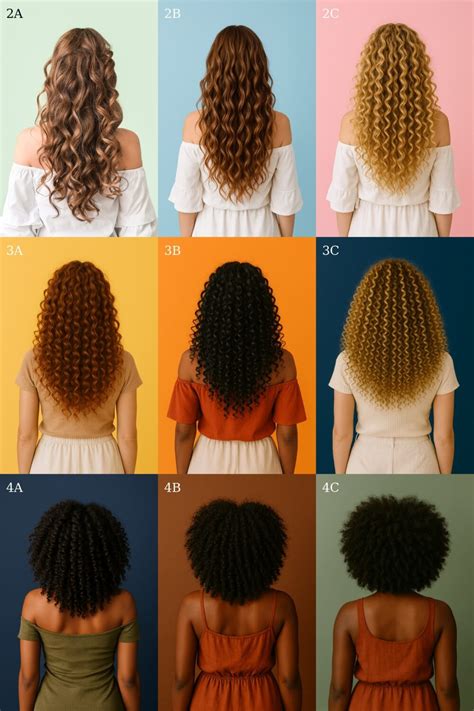
Dry, coarse, and curly hair types, which naturally struggle with moisture retention, tend to benefit the most from hyaluronic acid. It can also be beneficial for fine or medium hair needing hydration without added weight. Individuals experiencing seasonal dryness or scalp tightness may also find relief from its humectant properties.
Potential Risks and Side Effects
Topical hyaluronic acid is generally considered very safe for skin and hair, with no major side effects reported. Allergic reactions or sensitivities are unlikely, as the body naturally produces HA. However, individuals considering hyaluronic acid supplements should consult with a doctor, especially if they are pregnant, nursing, or have a history of cancer, as supplements could potentially promote the growth of cancer cells.
Timeline for Noticing Results
Users may notice relatively fast relief from an itchy scalp and improved hydration after using hyaluronic acid-infused hair products. While the softening and soothing benefits are often immediate, it's important to remember that hyaluronic acid hydrates the surface of the hair strand and scalp, making hair look healthier, but it does not repair structural damage.
Hair Loss Explained - Animation
tags: #hyaluronic #acid #hair #loss