Mineral oil is a common ingredient found in topical cosmetics and personal care products. It is inexpensive, chemically stable, and inert, making it an ideal base ingredient. Mineral oil is a byproduct of refined crude oil. It is a colorless, odorless, and tasteless liquid. There are several types of mineral oil, which are used for very different purposes. Mineral oil is an inexpensive and versatile product that has been in use since its discovery in the mid-19th century. Mineral oil comes in several different grades, based on how refined it is. Less refined mineral oils are used for industrial applications, such as lubricants. When mineral oil is used as an ingredient in cosmetics, it always has the same function: it is an occlusive moisturizer and emollient, meaning it is non-absorbent and softens the skin. When applied externally, mineral oil creates a superficial barrier that protects the skin from dehydration. Mineral oil is a highly versatile and cost-effective product, making it ideal for a multitude of applications. It can either be used on its own, as a lubricant, or as a base ingredient.
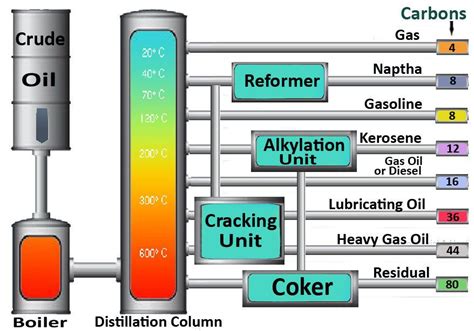
The name mineral oil has been used to describe many colorless, odorless liquids. Most often, the term refers to a liquid by-product of the distillation of petroleum to produce gasoline and other petroleum-based products from crude oil. These oils, including lubricant base oils and products derived from them, are used in manufacturing, mining, construction, and other industries.
Oils used in cosmetic products are typically highly refined, whereas those used in automotive oils and fluids tend to be unrefined or only mildly treated. Highly refined products are not covered in this section.
Benefits of Mineral Oil in Sunscreens and Skincare
Mineral oil is known to have a positive effect on the skin. It is a heavily processed petroleum product that is present in a variety of skin care products. It can help to soothe and moisturize the skin and can also help to heal minor wounds. Mineral oil is an odorless, clear liquid derived from petroleum. The liquid is a highly purified and processed petroleum product. By the time it is used in consumer products, it is an inert and stable compound. In other words, it is safe for use around foods, in cosmetics, and in other personal care products.
According to a 2019 overview, people have used mineral oil in cosmetic products for decades, and it has a long history of being safe to use. The concentration of mineral oils in cosmetics can range from 1% to 99%, and they are present in:
- Skin creams
- Ointments
- Lotions
- Sunscreens
- Lip care products
- Hair gels
- Bath oils
The mineral oils in cosmetics are typically stable and well-tolerated when applied to the skin. However, if a person develops any reaction, they should stop using the product and contact a doctor if symptoms persist. The amount of mineral oils used in lip care products is not high enough to cause concern if ingested. They usually contain less than 10% of the acceptable daily intake value.
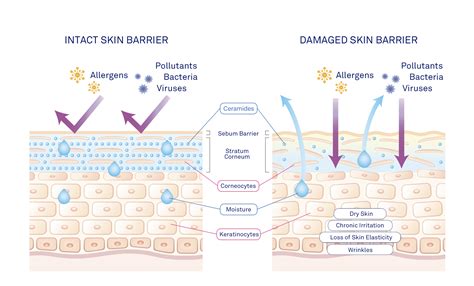
When applied to the skin, mineral oil has protective and lubricating properties. It can help to soften, cleanse, and moisturize the skin. Mineral oil is an example of an occlusive moisturizer. These form a barrier on the skin, which helps prevent water evaporation and reduces water loss through the skin by 99%.
Specific Applications and Benefits:
Mineral oil can be beneficial in several ways:
- Relieve dry skin: A person can apply petroleum jelly (which contains mineral oil) to the skin, including the lips and eyelids, to moisturize and protect the skin.
- Prevent chafing: A person can apply petroleum jelly to areas of the skin that rub together, such as the thighs or feet.
- Treat diaper rash: A person can apply petroleum jelly to the rash each time they change the diaper. This should help the rash resolve after 3-4 days.
- Help heal injured skin: Petroleum jelly can help keep small wounds moist, such as scratches, scrapes, and cuts. This can aid in healing.
- Rehydrate the nails: To help reduce brittle and chipped nails, a person can apply petroleum jelly to their nails and cuticles.
Many commercially available skin protectants contain mineral oil. A person might find it easier to use a product that contains mineral oil instead of using pure mineral oil. When using a product that contains mineral oil, people should ensure that they follow the instructions on the packaging.
No, mineral oil does not cause premature aging. Instead, mineral oil can help promote overall skin health, including providing moisture. Moisturizing the skin can help reduce the appearance of wrinkles and other signs of aging. Mineral oil does not dry out the skin. A person can use mineral oil to help moisturize their skin safely. Studies have shown that it can help provide additional protection from losing moisture, making it a better moisturizer compared with some other choices.
Potential Risks and Concerns Associated with Mineral Oil
Using mineral oil in cosmetics has its pros and cons. Unlike industrial mineral oils, the mineral oil used in cosmetics has been classified by the WHO as non-carcinogenic. Mineral oil is a chemically stable and inert ingredient. In addition to its notable benefits for the skin, its non-biodegradable nature also makes it an ideal preservative for both cosmetics and food-grade use. Mineral oil is known to have a positive effect on the skin, but a negative impact on the environment. Therefore, ADA Cosmetics avoids the use of mineral oil and our product portfolio is mineral oil-free.
Mineral oil is used as a base ingredient in several types of cosmetic products. It is most commonly added to protect the skin from dehydration. Cancer caused by mineral oil in cosmetics is highly unlikely.
Refinement and Safety Standards
There are many grades of mineral oil, with differing levels of safety. Cosmetics usually contain highly refined mineral oils classified as Group 3, which have been identified as non-carcinogenic and non-comedogenic by the WHO. Cosmetic-grade mineral oil can actually have great benefits for your skin; however, because it is an occlusive moisturizer, there is a chance that it may clog pores, leading to potential skin irritation or acne.
Mineral oils do not cause any adverse effects when highly refined. However, if petroleum is not highly refined, it may include polycyclic aromatic hydrocarbons (PAHs), which are carcinogenic. This means it may increase the risk of cancer. A 2019 article notes that in Europe, companies are only allowed to use mineral oils in cosmetics if they comply with specific purity regulations regarding PAHs. These regulations and safety requirements ensure that the mineral oils go through the refining process to remove any substances that may cause cancer and reduce the presence of PAHs. Products containing these mineral oils do not penetrate the skin and, as a result, do not cause adverse changes to the skin or affect the internal organs.
However, according to the Campaign for Safe Cosmetics, the mineral oils used in the United States are not as refined as they are in Europe. As a result, people should avoid buying products that contain mineral oil unless the label states that it is fully refined as white petrolatum or white mineral oil. White mineral oil is highly purified and meets specifications to ensure that it is safe to use in over-the-counter products.
Potential for Acne and Skin Irritation
Mineral oil may cause acne. According to the AAD, a person should avoid applying petroleum jelly on the face if they are prone to acne. This is because it can lead to breakouts. It can also lead to perioral dermatitis, which is a rash around the mouth. This is not acne, though it can present with small acne-like bumps.
Environmental Impact
Mineral oil is known to have a positive effect on the skin, but a negative impact on the environment. Its non-biodegradable nature means it can persist in the environment.
How to Identify and Use Mineral Oil Safely
If a person is using pure mineral oil, they should look for products sold in their local pharmacy. A person can apply a small amount of mineral oil to the skin as they would any other skin care product. A person can find pure mineral oil or products containing mineral oils and waxes at a local pharmacy and online. When buying products containing mineral oil, the labels may include the following terms, which are mineral oil-based ingredients:
- Paraffin
- Paraffinum liquidum
- Isoparaffins
- Synthetic wax
- Microcrystalline wax
- Hydrogenated microcrystalline wax
- Petrolatum
- Ceresin
- Ozokerite
- Cera microcrystalline
Before using pure mineral oil, a person should talk with a dermatologist to ensure that it is safe for them to do so.
Concerns Regarding Other Health Effects
People may avoid mineral oil because they have heard that it can cause adverse health effects, like increasing the risk of cancer. However, this is not true, as long as the mineral oil is highly refined.
Others may also be concerned that the use of mineral oils in laxatives to treat constipation could interfere with the absorption of fat-soluble vitamins, such as vitamins A, D, E, and K. However, the current evidence is weak and has mixed results. Authors of a 2020 article state that mineral oil likely has no significant effect on the absorption of fat-soluble vitamins. Typically, a person would not be using laxatives as a long-term solution to constipation. If a person is experiencing chronic constipation or would rather use a different type of laxative, they should speak with a doctor.
Mineral oil is a safe ingredient present in many cosmetic products.