The question of whether retinol can effectively treat cellulite is a common one, frequently asked by individuals seeking smoother skin and a reduction in dimpled appearance. Despite retinol's established reputation in skincare, its efficacy for cellulite reduction remains a subject of debate and confusion.
Understanding Cellulite
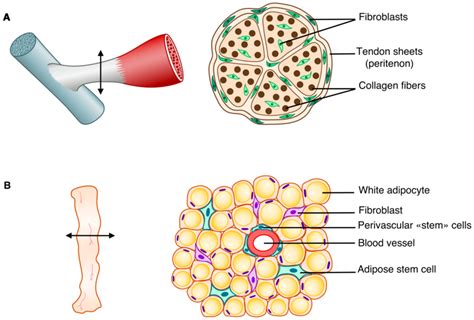
Cellulite is a prevalent aesthetic skin condition characterized by the accumulation of excess adipose tissue in the hypodermis. It is often associated with impaired microcirculation, lymphatic drainage issues, free radical damage, chronic low-grade inflammation, skin laxity, connective tissue fibrosis, and collagen glycation. These complex underlying factors contribute to the characteristic lumpy, dimpled appearance of the skin, most commonly observed on the thighs, hips, buttocks, and abdomen.
The appearance of cellulite is influenced by several factors:
- Fibrous Connective Tissue: Under the skin lies a network of fibrous connective tissue strands called septae. In women, these septae are typically fewer and less tightly arranged than in men, contributing to a higher prevalence of cellulite.
- Fat Accumulation: As fat cells accumulate, they push upwards against the skin, while the septae pull downwards, creating the dimpled effect.
- Hormonal Factors: Hormones play a significant role in the development of cellulite.
- Genetics: Genetic predisposition influences skin structure, skin texture, and body type, all of which can affect cellulite formation.
- Aging: With age, skin loses elasticity, which can make cellulite more noticeable.
- Weight Gain: While not the sole cause, weight gain can exacerbate the appearance of cellulite. However, even lean individuals can develop cellulite.
The Role of Retinol in Cellulite Treatment
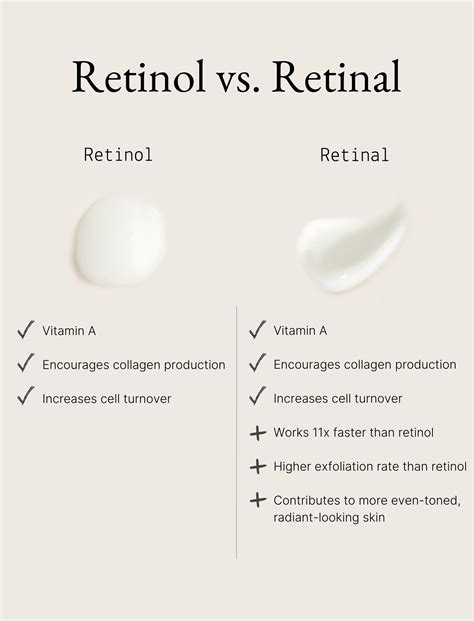
Retinol, a derivative of vitamin A, has been a staple ingredient in cellulite creams for over two decades, gaining popularity in the early 2000s. However, despite its long-standing presence, its results for cellulite reduction have been consistently minimal.
Why Retinol Falls Short for Cellulite
When studied independently, retinol has proven ineffective for cellulite reduction. It does not adequately address the multifaceted nature of cellulite, which involves deep-rooted causes beyond surface-level skin concerns. The evidence unequivocally supports that external application of retinol does not yield significant cellulite reduction.
Furthermore, regulatory bodies impose strict limits on retinol concentration for body use in skincare products. For instance, in the EU and UK, the allowed concentration for body use without a special license is 0.1%. At such low levels, retinol is unlikely to be effective for a condition as complex as cellulite, especially considering that many active ingredients require higher concentrations to demonstrate efficacy.
Retinol in Combination Therapies
While retinol alone is insufficient, some studies suggest that it may show positive results when combined with other active ingredients known to combat cellulite. Ingredients such as caffeine, ruscogenin, and forskolin have demonstrated potential benefits. However, it is crucial to approach such findings with caution, as some research in cosmetic and aesthetic journals may be driven by marketing rather than robust scientific evidence.
A study investigating the effect of topical retinol on cellulite found that after 6 months of treatment, skin elasticity increased and viscosity decreased at the retinol-treated site. This effect was more pronounced where the cellulite was characterized solely by the "mattress phenomenon." However, the lumpy-bumpy appearance of the skin showed little to no response. The study hypothesized that functional and phenotypic changes in connective tissue cells, such as an increase in factor XIIIa+ dendrocytes, might be linked to retinol's modulating effect on cellulite. Another study noted that while retinol and carnitine synergistically stimulated keratinocyte proliferation, leading to increased epidermal thickness, its direct impact on cellulite's macro-appearance was limited.
Clinically Proven Treatments for Cellulite
While retinol's effectiveness for cellulite is questionable, several other ingredients and treatments have shown more promising results by targeting the various facets of cellulite:
Effective Topical Ingredients
Beyond retinol, a range of active ingredients in topical creams have demonstrated efficacy in addressing cellulite:
- Forskolin: Known for its fat-mobilizing properties.
- Caffeine: Helps break down fat cells and dehydrates the area, temporarily tightening the skin.
- Centella Asiatica Triterpenes: Aids in collagen production and tissue repair.
- EGCG (Epigallocatechin Gallate): A potent antioxidant found in green tea, with anti-inflammatory and fat-burning properties.
- Escin and Esculoside: Derived from horse chestnut, these compounds improve microcirculation and reduce inflammation.
- Ruscogenin and Rutin: Improve vascular tone and reduce capillary permeability.
- Hydroxyproline: A key component of collagen, essential for skin structure and firmness.
- Chlorogenic Acid: Found in coffee beans, it may help with fat metabolism.
A well-formulated cellulite cream would ideally contain multiple high-purity active ingredients at significant concentrations to effectively target cellulite's complex nature.
Advanced Aesthetic Treatments
For more significant and lasting improvements, various professional treatments are available:
- Laser and Radiofrequency Treatments: Ablative laser treatments can destroy fibrous bands beneath the skin, offering results for up to a year. Non-ablative radiofrequency devices use heat to improve skin appearance, often requiring multiple sessions.
- High-Power Radiofrequency and Ultrasound Cavitation: Advanced technologies like deep-acting, high-power radiofrequency and deep-acting, high-power ultrasound cavitation, often followed by phototherapy, are employed in specialized clinics. These treatments aim to tighten the skin and reduce cellulite by targeting deeper tissues.
- Acoustic Wave Therapy: This technique uses sound waves to break up cellulite deposits.
- Massage Therapies (e.g., Endermologie): Vigorous massage aims to improve lymphatic flow, reduce fluid retention, and break down cellulite. Endermologie is an FDA-approved method that uses rollers and suction to knead the skin.
- Subcision: A surgical procedure that uses needles or blades to cut the fibrous bands beneath the skin, smoothing the surface. Fat grafting can also be used in conjunction with this method.
Cellulite Treatment with Ultrasonic Cavitation at Skin & Bodyfresh
Lifestyle Approaches
Complementary lifestyle changes can also contribute to reducing the appearance of cellulite:
- Weight Loss: Losing excess weight can reduce the amount of fat pushing against the skin.
- Physical Activity: Exercise that tones muscles can improve skin appearance and enhance circulation and lymphatic drainage.
- Hydration: Drinking plenty of water helps flush toxins from the body.
- Diet: A balanced diet rich in nutrients that support collagen production and fat metabolism can be beneficial. Certain foods like flaxseed, kelp, and gotu kola have been anecdotally linked to cellulite reduction.
Conclusion on Retinol for Cellulite
In summary, while retinol has a long history in anti-cellulite products, the scientific evidence suggests it is largely ineffective on its own for significantly reducing cellulite. Its benefits are primarily related to improving skin texture and elasticity at higher concentrations, which are often restricted in over-the-counter products. For effective cellulite management, a combination of proven topical ingredients, advanced aesthetic treatments, and healthy lifestyle choices is recommended.