Hyperhidrosis is a medical condition characterized by excessive sweating that occurs independently of external triggers like heat, physical exertion, or emotional stress. The perspiration can be so profuse that it soaks through clothing and drips from the scalp, face, hands, or feet. This excessive sweating stems from a malfunction within the skin's signaling system, where specific sweat glands overreact to neurotransmitters-chemical signals released by nerve cells. While hyperhidrosis does not pose a direct threat to health, it can lead to significant stress, embarrassment, and a diminished quality of life.
The condition can be broadly categorized into two types: primary hyperhidrosis, which typically begins early in life and often has a familial component suggesting a genetic predisposition, and secondary hyperhidrosis, which is triggered by an external factor. Common causes of secondary hyperhidrosis include menopausal hot flashes, diabetes, thyroid disorders, neurological conditions, and certain types of cancer. Additionally, medications such as opioids and some antidepressants, as well as cancer treatments like radiation and chemotherapy, can induce this condition.
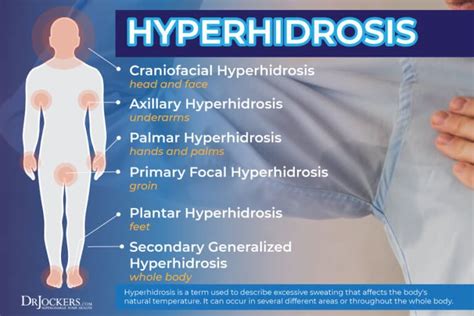
Hyperhidrosis can affect the entire body or be localized to specific areas. Craniofacial hyperhidrosis specifically refers to excessive sweating on the scalp, face, and forehead. Medications like glycopyrrolate, an anticholinergic drug primarily used for ulcers, are sometimes prescribed for hyperhidrosis by blocking the neurotransmitter responsible for activating sweat glands. However, these medications can cause significant side effects, including headaches, gastrointestinal issues, dry mouth, and urinary difficulties, leading to poor patient tolerance.
The Efficacy of Botox for Hyperhidrosis
Botox, a brand name for the neurotoxin onabotulinumtoxinA, has emerged as a safe and highly effective treatment for hyperhidrosis. It functions by inhibiting the nerve signals that stimulate sweat production. Unlike oral medications that affect the entire body's sweat glands, Botox injections offer a targeted approach, making them particularly suitable for localized forms of hyperhidrosis.
The treatment involves multiple injections administered directly into and around the affected areas. To manage discomfort during the procedure, a numbing cream is typically applied. Botox is not recommended for pregnant or breastfeeding women, or for individuals with a history of neuromuscular disorders.
The effects of Botox treatment typically become noticeable within a few days, with full results apparent within two weeks. The benefits can last for six months or longer, after which repeat treatments are necessary. Common side effects associated with Botox injections include pain, stinging, or swelling at the injection site. Patients undergoing treatment for palmar hyperhidrosis (sweaty palms) should be aware of the potential for temporary muscle weakness.
How Botox Works
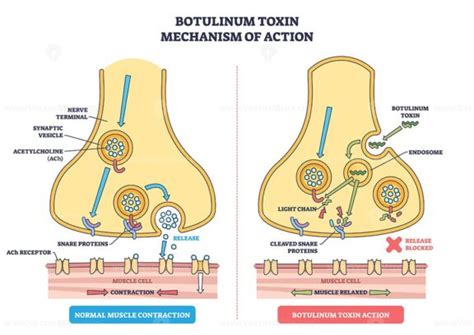
Botox injections work by blocking specific chemical signals from nerves that normally cause muscles to contract. In the context of hyperhidrosis, these signals are the ones that instruct sweat glands to become active. By intercepting these signals, Botox effectively prevents the sweat glands from producing and releasing excessive sweat.
The purified form of botulinum toxin used in medical procedures meets strict control standards set by regulatory bodies. While the toxin itself can cause botulism, the medical applications involve controlled doses administered by licensed healthcare professionals.
Areas Treated with Botox
Botox injections can be utilized to manage excessive sweating in various body areas:
- Underarms (Axillary Hyperhidrosis): This is the most common application of Botox for hyperhidrosis. A few injections in each underarm can control sweating for six months or longer.
- Palms (Palmar Hyperhidrosis): Botox is injected into the palms and fingers to block the sympathetic nerve signals that stimulate sweat glands.
- Face (Craniofacial Hyperhidrosis): Strategic injections on the forehead, temples, and upper lip target overactive sweat glands contributing to facial sweating.
- Soles of Feet (Plantar Hyperhidrosis): Injections into the soles of the feet target the underlying sweat glands, often preceded by a numbing agent.
BOTOX TECHNIQUE FOR HYPERHIDROSIS OF PALM
Understanding Hyperhidrosis: Causes and Management
Hyperhidrosis is a disorder where sweat glands become overactive, leading to excessive perspiration unrelated to environmental or physical stimuli. Commonly affected areas include the palms, armpits, soles of the feet, chest, head, and face.
While often not a serious health threat, hyperhidrosis can be linked to underlying medical conditions. Secondary hyperhidrosis is associated with known causes such as menopause, Parkinson's disease, hypoglycemia, or an overactive thyroid gland. The exact cause of primary hyperhidrosis is not fully understood but is believed to involve a dysfunction in the sympathetic nervous system, which regulates the body's fight-or-flight response and temperature control. Genetics may also play a role.
Initial management strategies for hyperhidrosis often include over-the-counter antiperspirants. When these are insufficient, prescription medications such as anticholinergics, which interfere with the nerve signals to sweat glands, may be prescribed. Beta-blockers, used to manage the physical symptoms of anxiety, are also sometimes employed. For persistent cases where topical treatments have failed, Botox injections are a widely used and effective option for managing primary hyperhidrosis.
FDA Approval and International Use
In the United States, Botox (onabotulinumtoxinA) is FDA-approved for the treatment of severe primary axillary hyperhidrosis in patients who do not respond to antiperspirants. Internationally, onabotulinumtoxinA has received approval for hyperhidrosis treatment in numerous countries, including Canada, the UK, and several European and South American nations.
Research studies have demonstrated the efficacy of botulinum toxin A for craniofacial hyperhidrosis. A study published in the *British Journal of Dermatology* in 2000 found botulinum toxin A to be an effective and safe treatment for frontal hyperhidrosis, significantly reducing sweat production for at least five months in most participants. Another study in the *Journal of Neurology* in the same year reported that craniofacial sweating completely ceased in 11 out of 12 patients with idiopathic craniofacial hyperhidrosis within days of injection.
Alternative Botulinum Toxin Products
Several forms of botulinum toxin A are available on the market, each with potentially different characteristics:
- Xeomin: May offer faster onset of results and a longer duration of effect compared to Botox, with potentially fewer allergic reactions. It also does not require refrigeration.
- Dysport: May diffuse or spread further than Botox. Its effects are comparable in duration to Botox but may become visible sooner, around two days post-injection.
Regardless of the specific product used, full results from botulinum toxin injections typically manifest within one to two weeks, with individual responses varying.
What to Expect During and After Treatment
Botox injections are usually performed in a medical office and are generally well-tolerated. While many patients experience minimal pain, numbing options such as topical anesthetics, ice, or massage can be used, especially for sensitive areas like the palms and soles.
The procedure involves injecting small amounts of botulinum toxin into the skin or muscles using a fine needle. The number of injections depends on the size of the treatment area. After the procedure, it is crucial to avoid rubbing or massaging the treated areas for 24 hours and to refrain from lying down for 2 to 4 hours to prevent the toxin from spreading unintentionally.
Results from Botox injections for hyperhidrosis typically begin to appear within 1 to 3 days, with full effects visible within a week or more. The duration of the effect varies, generally lasting from 3 to 6 months, though it can be longer for underarm sweating and shorter for hands and feet (around 3-4 months). While repeat treatments are necessary, many patients find the procedure straightforward and the relief from excessive sweating highly beneficial.

tags: #hyperhidrosis #face #botox