Navigating the complexities of skincare can be particularly challenging when your skin reacts to even the mildest products. The constant shift between harsh environmental elements, like icy winds, and dry indoor heating can leave nearly every skin type feeling unbalanced and irritated. In such cases, a gentle moisturizer emerges as a crucial ally, offering a simple yet effective solution to calm and comfort distressed skin. Understanding what constitutes a gentle formula is the first step towards achieving a balanced and hydrated complexion.
What Defines a Gentle Moisturizer?
Gentle moisturizers are essentially designed to be the path of least resistance to hydration. Their primary function is to hydrate the skin and support its natural barrier without introducing common irritants. As board-certified dermatologist Dr. Azadeh Shirazi, MD, explains, "Its job is simple: replace lost moisture, reinforce the skin barrier, and calm the skin." The effectiveness of a gentle moisturizer is evident when a patient reports their skin feeling comfortable and normal again.
Even if you don't live in a climate with extreme temperature fluctuations, your skin can still become reactive. Irritating products or the overuse of active ingredients can quickly lead to hypersensitivity. A good rule of thumb, as advised by board-certified nurse practitioner Tama Tran, is: "If your skin burns, stings, flushes, flakes, or is breaking out while also irritated, use a gentle moisturizer until things calm down."
Key Ingredients and What to Avoid
The efficacy of a gentle moisturizer lies in its carefully selected ingredients. For sensitive or easily irritated skin, certain components are best avoided to minimize the risk of adverse reactions. Dr. Shirazi highlights that while fragrance isn't inherently bad for all skin, it is a primary irritant for many sensitive individuals, including naturally derived fragrances from essential oils. Additionally, ingredients to be wary of include:
- Denatured alcohols: These can strip the skin of its natural oils and disrupt the skin barrier.
- Strong exfoliating acids: High concentrations of AHAs (alpha-hydroxy acids) or BHAs (beta-hydroxy acids) are typically found in treatment products and can be too harsh for daily use in a moisturizer.
- Dyes and colorants: These offer no beneficial properties and can increase the likelihood of irritation.
Conversely, gentle moisturizers often feature a thoughtful blend of ingredients that hydrate, soothe, and repair the skin barrier. Key beneficial ingredients include:
- Humectants: These attract water to the skin, such as hyaluronic acid, glycerin, and panthenol.
- Emollients: These lipids help to soften and smooth the skin by filling in any cracks between skin cells, including ceramides, fatty acids, and squalane.
- Occlusives: These create a physical barrier on the skin to prevent moisture loss, such as shea butter and petrolatum.
- Soothing agents: Ingredients like niacinamide, allantoin, bisabolol, aloe vera, and colloidal oatmeal help to calm inflammation and reduce redness.
When selecting a moisturizer, look for terms like "noncomedogenic" (meaning it won't clog pores) and "hypoallergenic" (meaning it's less likely to cause allergic reactions). However, it's important to note that the FDA does not require extensive data to prove these claims.
Who Should Use a Gentle Moisturizer?
While a gentle moisturizer can be a beneficial addition to any skincare routine, certain individuals and skin types stand to gain the most:
- Sensitive Skin: Individuals whose skin easily becomes red, itchy, or inflamed in response to various triggers.
- Reactive Skin: Skin that experiences stinging, burning, or flushing frequently.
- Rosacea-Prone Skin: Skin conditions characterized by redness and visible blood vessels.
- Eczema-Prone Skin: Skin prone to dryness, itching, and inflammation.
- Post-Procedural Skin: After treatments like lasers, microneedling, or chemical peels, when the skin barrier is temporarily compromised and more vulnerable.
- Users of Actives: Those using potent ingredients like retinols or strong acne treatments, which can increase skin sensitivity and dryness.
In these cases, gentle hydration helps restore balance and prevents further irritation, rather than triggering a rebound reaction.
Expert- and Editor-Recommended Gentle Moisturizers
Finding the right gentle moisturizer can involve some trial and error, but numerous formulas are celebrated by dermatologists and beauty editors alike for their efficacy and gentle formulations. Here are some standout options, categorized by their key benefits:
Best for Very Dry Skin
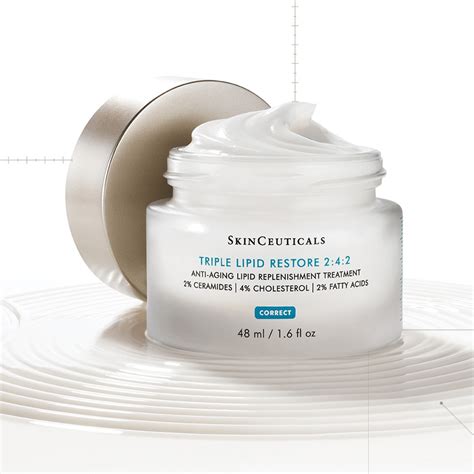
SkinCeuticals Triple Lipid Restore 2:4:2
This rich formula is designed to restore essential skin lipids, mimicking the natural ratio of ceramides (2%), cholesterol (4%), and fatty acids (2%) found in the skin. It provides deep hydration without feeling heavy, making it ideal for mature or very dry skin. However, those with acne-prone skin might find its blend of natural oils a bit too rich.
Key Ingredients: Pure ceramide, natural cholesterol, fatty acids
Texture: Thick and rich
Fragrance: Yes (naturally derived from essential oils)
Best for Slugging Overnight
Dr.Althea 345 Relief Cream
With an ointment-like texture, this cream is excellent for "slugging" - applying a thick layer to lock in moisture overnight. It blends niacinamide, resveratrol, and plant extracts to soothe and calm inflamed skin, making it suitable for redness, irritation, or post-procedure recovery. It's best used as a final step in a nighttime routine or on freshly cleansed skin to avoid potential makeup separation.
Key Ingredients: Glycerin, panthenol, sodium hyaluronate, coptis japonica root extract, evening primrose flower extract, resveratrol, lavender flower extract, hydrolyzed hyaluronic acid, tocopherol, ceramide NP
Texture: Emollient, like an ointment
Fragrance: Yes (naturally derived)
Best Luxury Option
Chanel La Solution 10 de Chanel
Formulated with just 10 ingredients, this moisturizer is specifically designed with sensitive skin in mind. It offers comfort and hydration for normal to dry skin types without common irritants like artificial fragrance, drying alcohols, or treatment actives. Patch testing is always advised for those with highly sensitive skin.
Key Ingredients: Squalane, glycerin, camellia sinesis leaf extract, shea butter extract
Texture: Lightweight, milky cream
Fragrance: No
Best for Acne-Prone Skin
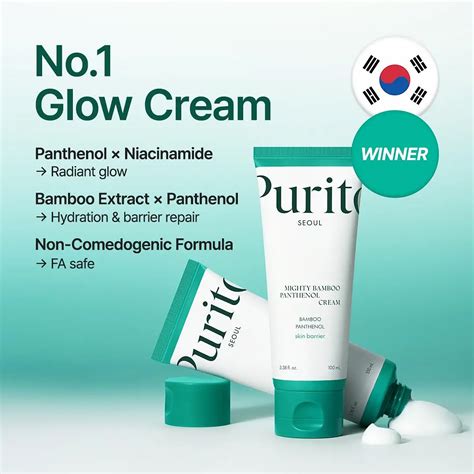
Purito Mighty Bamboo Panthenol Cream
This K-beauty gem is a gentle gel-cream moisturizer that is unlikely to clog pores. It features a hydrating blend of bamboo, squalane, and panthenol. Its water-gel texture absorbs quickly, leaving the skin refreshed and non-greasy. It also layers well under makeup and SPF without pilling, making it a favorite for those with acne-prone and sensitive skin.
Key Ingredients: Panthenol, squalane, bamboo extract, hydrolyzed jojoba esters
Texture: Lightweight gel-cream
Fragrance: No
Best French Pharmacy Pick
La Roche-Posay Toleriane Double Repair Face Moisturizer
A dermatologist favorite, this fragrance-free moisturizer is excellent for strengthening the skin's barrier. Its blend of ceramides and prebiotics helps restore the skin's natural balance, essential for a healthy complexion. It's a gentle yet effective option suitable for all skin types.
Key Ingredients: Prebiotic thermal water, ceramides, niacinamide, glycerin, peptides
Texture: Light and creamy
Fragrance: No
Best for Mature Skin
Augustinus Bader The Cream
This advanced moisturizer goes beyond simple hydration, utilizing Bader's patented TFC8 technology-a blend of amino acids and antioxidants-to support cell renewal and the moisture barrier. It's an anti-aging cream packed with moisturizing ingredients like ceramides, squalane, and vitamin B5, suitable for dry, combination, and mature skin types.
Key Ingredients: TFC8, vitamin A, vitamin C
Texture: Silky, lightweight cream
Fragrance: No
Best Lightweight Moisturizer
Neutrogena Hydro Boost Water Gel with Hyaluronic Acid
This water-gel cream offers an instantly refreshing feel, akin to a splash of water. Its oil-free, lightweight formula, enriched with hyaluronic acid, is cosigned by dermatologists for its hydrating properties. It's a great choice for dry, acne-prone, and combination skin seeking lightweight moisture.
Key Ingredients: Hyaluronic acid, glycerin
Texture: Gel-like
Fragrance: No
Dr. Sugai Compares: Neutrogena Hydro Boost Water Gel vs Gel-Cream
Best Derm-Approved Option
Vanicream Daily Facial Moisturizer
Vanicream is a go-to brand for many dermatologists due to its "no-frills" approach and minimal risk of irritation. This moisturizer is highly recommended for compromised skin barriers or when trying to eliminate potential irritants from a routine. It focuses on hydration and barrier support, making it ideal for severely dry, reactive, or sensitive skin.
Key Ingredients: Water, squalane, glycerin, hyaluronic acid, ceramide blend
Texture: Milky cream
Fragrance: No
Best with Colloidal Oatmeal
Dieux Skin Mercy Recovery Cream
Certified by the National Eczema Association, this cream provides deep hydration and soothing benefits. Its formula is built around 1% colloidal oatmeal extract and a "crystal lamellar" base that mimics the skin's structure, aiding in reducing water loss and enhancing active ingredient efficacy. It leaves the skin feeling soft, supple, and nourished.
Key Ingredients: 1% colloidal oatmeal, 3%+ soothing complex (tazman fruit, bisabolol, allantoin, panthenol), 10%+ glycerin, 0.1% licorice root
Texture: Comforting, mid-weight cream
Fragrance: No
Understanding Moisturizer Types and Application
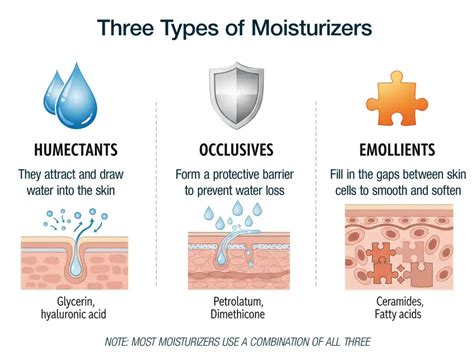
Moisturizers can be broadly categorized into three main types based on their function:
- Humectants: Draw moisture from the environment and deeper skin layers to the surface. Examples include hyaluronic acid, glycerin, and urea.
- Emollients: Fill in the gaps between skin cells, smoothing and softening the skin. Examples include ceramides, fatty acids, shea butter, and squalane.
- Occlusives: Form a physical barrier on the skin's surface to prevent water loss. Examples include petrolatum, mineral oil, and beeswax.
For dry and sensitive skin, a moisturizer that combines emollient and occlusive properties is often ideal. For oily or acne-prone skin, lighter gel-cream or gel formulations with humectants are generally preferred.
When applying moisturizer, ensure your skin is slightly damp after cleansing to help seal in hydration. Use a pea-sized amount and gently pat it into the skin until absorbed. For extremely dry skin, techniques like "slugging" with a rich balm can provide an extra layer of protection against dehydration.
FAQs About Gentle Moisturizers
What causes dry, sensitive skin on the face?
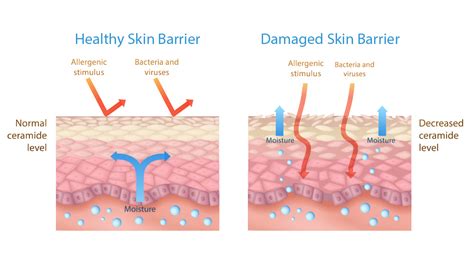
Dry, sensitive skin is often a sign of a compromised moisture barrier. This barrier is crucial for protecting the skin from environmental irritants and preventing water loss. Factors contributing to a weakened barrier include overuse of harsh active ingredients, seasonal changes, conditions like eczema, and even environmental factors like humidity and temperature.
Which moisturizer is best for a dry, sensitive face?
For dry, sensitive faces, look for moisturizers rich in humectants (like hyaluronic acid, glycerin), emollients (like ceramides, fatty acids), and occlusives (like shea butter). Soothing ingredients such as niacinamide, aloe vera, and colloidal oatmeal are also beneficial. Avoid fragrance, drying alcohols, and harsh exfoliants. A thick, creamy texture is often preferred for dry skin, while gel-like textures can be good for layering.
How do you rehydrate dry sensitive skin on the face?
A multi-pronged approach is recommended: start with a gentle cleanser, followed by a hydrating serum (like hyaluronic acid) applied to damp skin. Then, apply a rich, creamy moisturizer to reinforce the skin barrier. For severe dryness, consider slugging with a balm. Incorporating a gentle, hydrating face mask weekly can also provide an extra boost of moisture.
What should you avoid when treating sensitive skin?
When caring for sensitive skin, it's crucial to be gentle. Avoid scrubbing too hard, using very hot water, or washing your face excessively. Key ingredients to avoid in skincare products include fragrances, sulfates, synthetic dyes, parabens, formaldehyde releasers, phthalates, and drying alcohols. Potent actives like retinoids and high-concentration salicylic acid can also be too harsh.
What is the root cause of sensitive skin?
The primary cause of sensitive skin is a weakened skin barrier. This allows irritants and allergens to penetrate more easily and moisture to escape. Factors that can weaken the barrier include environmental exposure (humidity, dryness, temperature fluctuations), allergens, and the use of harsh skincare products.
tags: #hypoallergenic #face #moisturiser