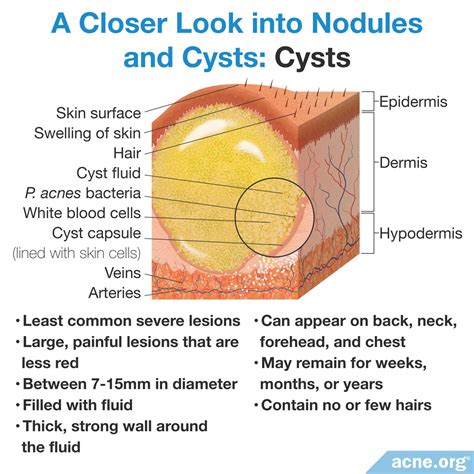
Acne cysts, also known as cystic pimples, are a particularly painful, stubborn, and frustrating form of acne. Unlike typical pimples, they are deeper, more swollen, and do not usually come to a head, earning them the nickname "blind pimples." This deep inflammation creates pressure under the skin's surface, exacerbating the pain and throbbing sensation when touched.
It is crucial to understand that picking, squeezing, or attempting to pop a cystic pimple is strongly discouraged. Not only is it ineffective due to the cyst's depth, but it also worsens inflammation, increases pain, and elevates the risk of infection and scarring.
What Causes Cystic Acne?
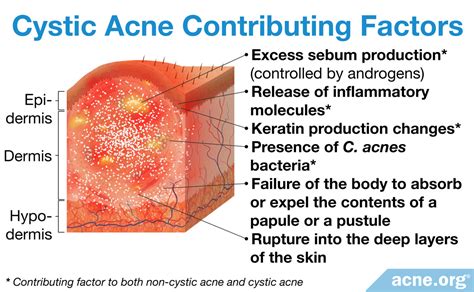
Cystic acne develops when the opening of a pore becomes clogged with dead skin cells. Instead of shedding normally, these cells accumulate within the pore. Sebum, the natural oil produced by the skin, also builds up, creating a mixture with dead skin cells that forms a sludge. This environment is conducive to the proliferation of P. acnes bacteria.
When this sludge is trapped beneath the skin's surface, it spills into the surrounding skin tissue. The body's immune system responds by sending white blood cells to fight the bacteria, leading to inflammation and the characteristic swelling and pain of a cystic pimple.
Factors Contributing to Cystic Acne
Several factors can contribute to the development of cystic acne:
- Hormonal fluctuations: Puberty, pregnancy, menopause, and conditions like Polycystic Ovary Syndrome (PCOS) can influence hormone levels, leading to increased oil production.
- Medications: Certain drugs, including oral contraceptives, steroids, and lithium, can affect hormone balance and acne development.
- Genetics: A predisposition to acne can be inherited, making some individuals more susceptible.
- Stress: Stress can trigger the release of androgens, hormones that contribute to acne.
- Skin microbiome: Imbalances in the skin's microbial community, particularly certain bacteria, can promote inflammation.
- Diet: Some individuals find that foods with a high glycemic index and dairy products can aggravate their acne.
Preventing Cystic Acne
Preventing clogged pores and inflammation is key to reducing the occurrence of acne cysts. Ingredients in dermatological treatments can help:
- Speeding up cell turnover: Ingredients like tretinoin help shed pore-lining cells more effectively, preventing accumulation.
- Decreasing oil production: This can be influenced by avoiding dairy, and for women, certain birth control pills or medications like spironolactone. Isotretinoin (Accutane) is a potent systemic medication that significantly reduces oil production.
- Fighting bacteria: Antibacterial agents such as clindamycin, zinc pyrithione, and azelaic acid help manage P. acnes overpopulation.
- Reducing inflammation: Clindamycin possesses anti-inflammatory properties, and other ingredients in acne treatments can also help calm inflammation.
What to Do About an Existing Cystic Pimple
When a cystic pimple appears, several home remedies and treatments can help manage swelling and promote healing, but it's essential to be gentle with the skin.
Hydrocolloid Bandages
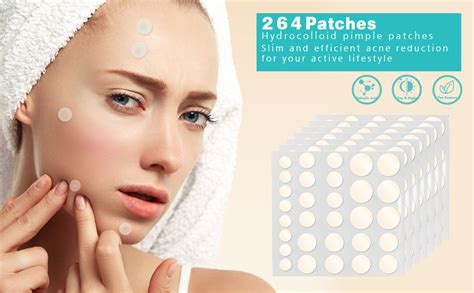
Hydrocolloid bandages are an excellent option for drawing out fluid and creating a moist healing environment. They can absorb buildup from wounds and acne, potentially reducing scarring. These patches are often low-profile, allowing them to be worn discreetly during the day or overnight. For best results, apply the patch to clean, dry skin before other skincare products.
Warm Compress
A warm compress can help reduce swelling and bring a pimple closer to the surface, facilitating healing. To create one, steep a green tea bag (or use a clean cloth) in hot water, let it cool to a comfortable warm temperature, and gently hold it on the blemish for about 5 minutes. Repeat this process multiple times a day. It is crucial to ensure the compress is warm, not hot, to avoid burning the skin.
Cold Compress (Ice)
Ice is effective in reducing swelling and inflammation by constricting blood flow. Wrap an ice cube in a clean, thin cloth or use a chilled green tea bag and gently press it onto the inflamed area for about 20 seconds. This can help calm redness and reduce the size of the pimple. Applying acne treatment products after icing may enhance their penetration and efficacy.

Heat Devices for Acne
While skincare devices that use heat to target acne-causing bacteria exist, their effectiveness is often limited. These devices typically operate on the assumption that bacteria are the primary cause, whereas dead skin cell buildup plays an equally significant role. Some users report that these devices may reduce inflammation slightly or help bring pus to the surface, but they rarely eliminate pimples entirely.
Professional Treatment for Cystic Acne
Cystic acne is a severe form of acne that often requires professional intervention. If home remedies are not effective, or if the acne is extensive and persistent, consulting a dermatologist is recommended.
Topical Treatments
Dermatologists may prescribe topical treatments containing:
- Topical antibiotics: To kill acne-causing bacteria and prevent new breakouts.
- Benzoyl peroxide: Kills bacteria and helps prevent pore blockages.
- Retinoids: Such as retinol, tretinoin, or adapalene, which are forms of vitamin A that promote cell turnover. These are often used in conjunction with other treatments.
It is important to use sunscreen daily when using topical retinoids, as they can increase sensitivity to UV light.
Systemic Medications
For more severe cases, systemic treatments taken orally may be prescribed:
- Oral antibiotics: Such as doxycycline or minocycline, to reduce bacteria and inflammation.
- Isotretinoin: A potent retinoid medication that can lead to long-term clearing for many patients. It is not suitable for use during pregnancy or breastfeeding.
- Spironolactone: Primarily for women, this medication reduces androgen hormones that stimulate oil production.
- Oral contraceptives: For females, specific birth control pills containing estrogen can help manage hormonal cystic acne.
Dermatologists can also administer steroid injections directly into acute cystic acne lesions to rapidly reduce inflammation.
Acne: Understanding the Types of Acne and Treatment Options
Managing Acne Scars
Cystic acne has a higher risk of causing scars than other types of acne, especially if left untreated or picked. After successful acne treatment, dermatologists offer various treatments to reduce the appearance of scarring:
- Microneedling/Dermarolling: Uses tiny needles to stimulate collagen production.
- Chemical exfoliants and peels: Remove damaged skin cells to reveal newer skin.
- Laser resurfacing: Aims to make scars flatter and less noticeable.
- Incision/Subcision: Physical removal or manipulation of scar tissue.
Important Considerations
Gentle skincare is paramount when dealing with cystic acne. Avoid touching the face unnecessarily, scrubbing, using harsh or alcohol-based products, and tanning. Many online "home remedies" lack scientific evidence and can potentially worsen the condition.
Ice is generally preferred over heat for reducing the swelling and redness associated with cystic acne, as heat can sometimes increase inflammation and discomfort. While home remedies can help manage symptoms, they are often insufficient for severe or persistent cystic acne, which typically requires professional dermatological care. Treatment from a dermatologist can take several weeks to months to show significant improvement.