Recent DNA analyses of ancient skeletal remains have shed new light on the complexions of early inhabitants of Britain and Ireland. The oldest complete skeleton discovered in Britain, known as Cheddar Man, revealed through DNA testing that he possessed black skin and blue eyes. These remains were originally unearthed 115 years ago in Gough’s Cave, located in Cheddar Gorge, Somerset, England.

A collaborative project with the National Museum of Ireland has yielded similar findings for early Irish populations. Professor of Population Genetics at Trinity College Dublin, Dan Bradley, stated that researchers have compiled data from two individuals who lived over 6,000 years ago, and their genetic profiles indicated darker skin tones, comparable to the findings for Cheddar Man. This suggests that the earliest Irish settlers had darker skin than is common today. The DNA evidence links these early populations to individuals from Spain and Luxembourg, who migrated to western Europe after the last Ice Age and before the advent of farming.
The Characteristics of Celtic Complexions
The "pale Celtic complexion" is often admired globally, but it comes with its own set of challenges. Imperfections tend to be more noticeable on fairer skin, which is also at a higher risk of sunburn. Typically, Irish skin is described as fair, pale, and often sensitive. While it can be beautiful, managing this skin type requires specific knowledge, especially when dealing with common skin troubles or the natural aging process.
Fitzpatrick's Skin Type 1-2: The Fairest of Them All
"The most common skin type among Irish women is categorised in dermatology terms as Fitzpatrick's type 1-2," explains Selene Daly, a dermatology clinical nurse specialist. "This is skin that burns easily in the sun, freckles, and is light in colour." This classification indicates that individuals with fair Irish complexions are predisposed to more skin conditions due to their inherent fairness.
Global Admiration for the Celtic Complexion
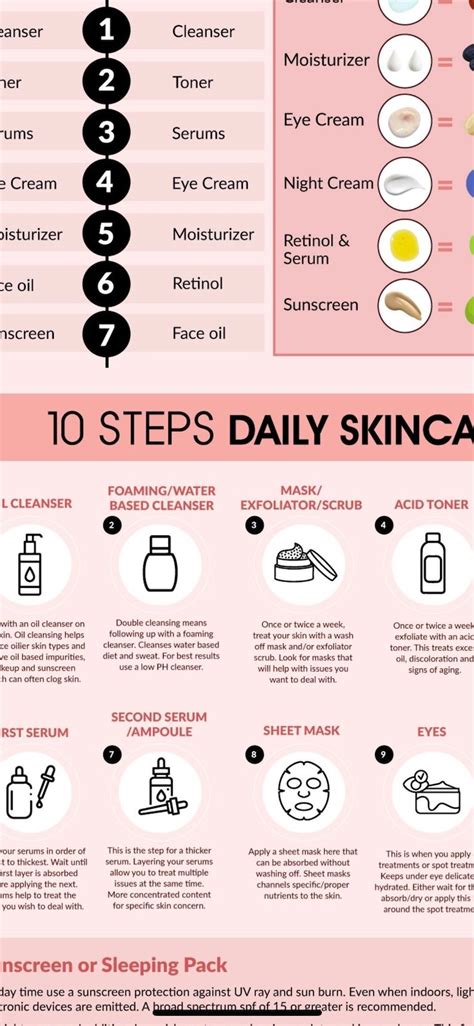
Despite the challenges, the Celtic complexion is highly coveted internationally. Selene Daly notes that people in other parts of the world, such as Korea, often engage in extensive skincare routines, sometimes involving up to 17 steps, in an attempt to achieve translucent, clear skin. The use of bleaching creams to achieve paler skin is also popular in some regions.
Health Risks Associated with Irish Skin
Fair Irish skin is at a higher risk for certain health conditions, most notably skin cancer. According to the Irish Cancer Society, over 10,000 cases of skin cancer are diagnosed annually in Ireland. The majority of these cancers occur on sun-exposed areas like the face, ears, neck, arms, and lower legs. More than 90% of skin cancer cases are attributed to overexposure to UV light from the sun or sunbeds. This risk is significant, perhaps ironically, in a country that does not experience abundant sunshine, but it underscores the importance of sun safety practices, especially for those with fair skin.
The Dangers of Sunbeds
The use of sunbeds poses a significant health risk. Despite growing awareness, some individuals in Ireland use sunbeds to achieve a "base tan" before holidays, believing it offers protection. However, sunbeds are classified as a level one carcinogen. An American study revealed that worldwide, more skin cancer cases are linked to indoor tanning than lung cancer cases are to smoking. Sunbeds deliver concentrated exposure to UVA rays, which are a direct cause of skin cancer. It is crucial to understand that the risk is not solely from sunburn caused by UVB rays; UVA exposure is equally dangerous.
The Science of Tanning, Sun Burn and Skin Cancer
Year-Round Sunscreen Protection is Essential
Fair-skinned individuals need to consistently use sunscreen throughout the year. Selene Daly emphasizes that daily sunscreen application between March 1 and September 30 is crucial, irrespective of the weather, as UV levels are highest during this period, increasing the likelihood of burning. Modern sunscreens are sophisticated, offering hydration and improving skin appearance rather than just sitting as a visible layer. Incorporating SPF into daily moisturisers and foundations is an easy way to ensure continuous facial protection.
Common Skin Conditions Affecting Fair Skin
Fair skin is more prone to several specific skin conditions, where redness and imperfections are more visible.
Rosacea: The "Curse of the Celts"
"Terrifyingly known as the curse of the Celts, rosacea is an extremely common skin condition," explains Selene Daly. This condition primarily affects the cheeks, forehead, chin, and nose, characterized by redness, visible blood vessels (telangiectasia), small red bumps, and sometimes pus-filled spots. Individuals with rosacea often experience easy blushing. Triggers for rosacea include spicy foods, alcohol, temperature fluctuations (moving from cold to hot environments), and UV light exposure. Gentle, non-pore-blocking skincare and consistent use of high SPF are vital for managing rosacea.
Keratosis Pilaris: Bumpy Skin
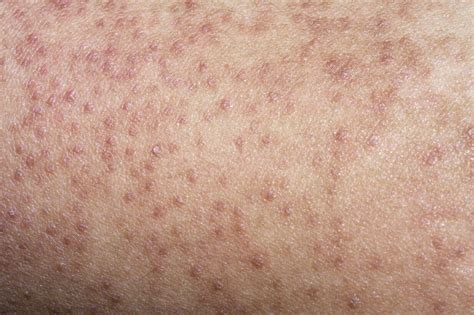
Keratosis pilaris is another condition that is noticeable on pale skin. It occurs due to a buildup of keratin that blocks hair follicles, commonly appearing on the backs of the arms and thighs. While it may cause discomfort when the skin is dry, its primary characteristic is the presence of red bumps, giving the skin a rough texture. Exfoliation and the use of moisturisers containing salicylic acid or urea can help manage keratin buildup, though a complete cure is not available.
Free Radical Damage
Exposure to free radicals can lead to undesirable skin changes, including photo-damage, lines, wrinkles, and skin cancer. This damage is primarily caused by overexposure to UV light, pollutants, smoking, and environmental factors. Antioxidants, particularly those with a concentrated vitamin C base, can help protect against free radicals, reduce redness, and improve hyperpigmentation.
Tailoring Skincare Routines for Fair Skin
Understanding one's specific skin type-whether dry, sensitive, combination, or oily-is fundamental to formulating an effective skincare routine. Consulting with a dermatologist or a trained beauty professional can help identify skin type and recommend suitable products. Even oily skin requires hydration, and combination skin may necessitate different treatments for various facial areas.
The Benefits of Vitamins A and C
Vitamins A and C are considered beneficial for fair skin. Vitamin A, in the form of retinol, is a well-established dermatological solution for acne and anti-aging, supported by extensive clinical data. However, its strength should be gradually increased to avoid irritation, and it can increase photosensitivity, making UV exposure inadvisable when using retinol. Vitamin C plays a vital role in boosting collagen production and maintaining a healthy complexion.
Reading Skincare Ingredients
For individuals with conditions like eczema or psoriasis, carefully reading skincare product labels is essential. Selene Daly advises selecting products with minimal or no preservatives, as these can trigger reactions even in those without a history of sensitive skin. Opting for natural products is recommended for those concerned about sensitivity.
Dietary Influences on Skin Health
Diet can significantly impact skin health, and fair skin may be particularly susceptible to flare-ups. A blood test can identify potential food allergies or intolerances that might be contributing to conditions such as eczema, psoriasis, adult acne, or hyperpigmentation.
Managing Adult Acne
Fair skin can make the redness associated with adult acne appear more prominent. While adult acne is increasingly common, harsh treatments can exacerbate the issue. Patience and gentle care are advised. The use of oil-free or "non-comedogenic" cleansers and moisturisers, applied twice daily, is recommended. If skincare alone is insufficient, seeking advice from a GP or dermatologist is crucial. It is also important to avoid picking or squeezing spots, as this can lead to scarring.

Cosmetic Considerations for Fair Skin
Finding suitable makeup shades can be a challenge for those with very fair complexions.
Foundation Matching
Blogger Leanne Woodfull highlights the difficulty of finding foundation that matches alabaster complexions. Brands like Rimmel and MAC are known for catering to fair skin tones. MAC offers foundations and concealers categorised into NW (for pinkish undertones, common in fair Irish skin) and NC shades. The shade NW10 is particularly pale. Rimmel offers an even paler option, Light Porcelain, which is widely available.
The Appeal of Artificial Tanning
Fair-skinned individuals sometimes resort to artificial tanning methods. While the allure of a tanned appearance is strong, it's important to remember the risks associated with UV exposure, even for those with naturally fair skin.
Understanding the Biology of Fair Skin
Fair skin, while often admired, has distinct biological characteristics. Everyone has the same number of melanocyte skin cells, but in lighter skin tones, these cells contain fewer and smaller melanosomes. These melanosomes produce melanin, the pigment that gives skin its colour. Consequently, lighter skin produces less melanin. Additionally, fair skin typically has fewer and smaller sebaceous glands and a thinner stratum corneum (the outermost layer of the epidermis) compared to darker skin tones.
General Skincare for Fair Skin
Regardless of skin type or tone, a consistent skincare regimen is essential. This includes cleansing, exfoliating, moisturizing, and protecting the skin. Given that fair skin tends to be drier and more sensitive, gentle ingredients such as shea butter, vitamin E, and coconut oil are recommended for cleansing and moisturizing products. Potential irritants like glycolic acid, alcohol, benzoyl acid, and Vitamin C should be used with caution, and fragrances and dyes should be avoided.
Sun Protection and Aging
Fair-skinned individuals sunburn more easily, leading to a higher incidence of skin cancer. Diligent application and reapplication of broad-spectrum, water-resistant sunscreen with a minimum SPF of 30 are crucial year-round. Protective clothing, including a wide-brimmed hat, offers additional defence. For signs of premature aging, aesthetic procedures like laser treatments can stimulate collagen production, tighten skin, reduce fine lines and wrinkles, and improve overall skin radiance.
Specific Skin Issues Predisposing Fair Skin
Lighter complexions have a greater genetic predisposition to certain skin issues:
Actinic Keratosis
This precancerous condition, characterized by scaly, crusty bumps, commonly appears on sun-exposed areas such as the face, ears, neck, forearms, and the backs of the hands. It typically begins around age 30 and increases with age. Peeling or cracking lips after sun exposure, especially the lower lip, can also be symptomatic. Patches of actinic keratosis may cause itching, burning, or stinging and require dermatological evaluation. Prevention involves meticulous sun protection.
Rosacea
As previously mentioned, rosacea is a skin disease causing redness and pimples. While it can affect any skin type, fair-skinned individuals, particularly those aged 30 to 50 with light hair and blue eyes, are believed to have a genetic predisposition. Triggers that cause facial blood vessels to expand, such as exercise, sun and wind exposure, hot weather, stress, spicy foods, alcohol, and hot baths, can lead to flare-ups. Temperature fluctuations and even harsh skincare can also irritate the skin, necessitating gentle care and anti-inflammatory ingredients.
tags: #irish #skin #complexion