Iron, Total Iron-Binding Capacity (TIBC), and Ferritin are key components of blood tests that help evaluate the body's iron status, including how iron is stored and transported. These tests are crucial for diagnosing and managing various health conditions related to iron metabolism.
What is Iron?
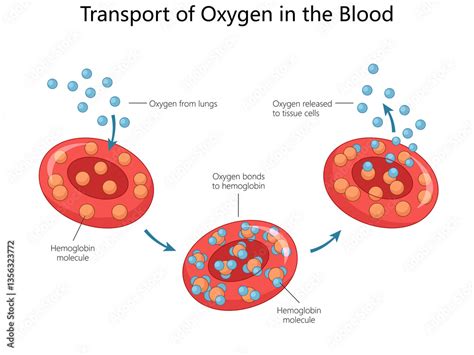
Iron (Fe) is an essential mineral vital for overall health and well-being. It plays a critical role in numerous physiological functions, most notably in the synthesis of hemoglobin, a protein in red blood cells responsible for carrying oxygen from the lungs to the rest of the body. Iron is also important for healthy muscles, bone marrow, and organ function.
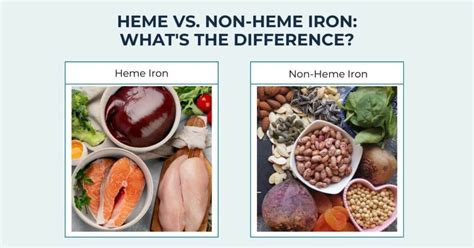
There are two types of dietary iron: heme iron, found in animal foods like meat, fish, and eggs, and non-heme iron, found in plant-based foods such as beans, grains, vegetables, and nuts. Heme iron is more readily absorbed by the body and makes up the majority of the iron the body utilizes.
Iron's Role in the Body
Iron's functions extend beyond oxygen transport:
- Oxygen Transport: Hemoglobin, with its iron component, is essential for carrying oxygen. Red blood cells, rich in hemoglobin, deliver oxygen to tissues and remove carbon dioxide.
- Oxygen Storage: Skeletal muscles store oxygen as myoglobin, which aids in energy production during physical activity.
- Energy Production: Iron is a critical component in cellular respiration, a process that generates energy (adenosine triphosphate, ATP) within the mitochondria of cells. It plays a vital role in the electron transport chain.
- Enzyme Function: Iron acts as a cofactor for many enzymes, helping them maintain their structure and function properly. This is important for metabolism, DNA synthesis and repair, and protecting cells from damage.
Ferritin
Ferritin is a protein that stores iron within cells. It acts as a reservoir for iron, releasing it when the body needs it. Ferritin is also considered an inflammatory marker because when cells are damaged, ferritin is released into the blood.
Abnormally low ferritin levels typically indicate diminished available iron, which can be associated with poor iron absorption, inadequate blood oxygenation, or overproduction of red blood cells. Over time, this can increase the risk of heart problems, recurrent infections, and other chronic health conditions. Conversely, abnormally high ferritin levels can signal chronic inflammation caused by cell damage, leading to excess iron leaking into the blood.
Total Iron-Binding Capacity (TIBC)
Total Iron-Binding Capacity (TIBC) measures the blood's capacity to bind iron with proteins, primarily transferrin. Transferrin is a protein produced in the liver that regulates iron absorption and transport in the blood. TIBC represents the total amount of iron that transferrin can transport.
TIBC levels often have an inverse relationship with iron levels. For instance, if iron levels are low (as in iron deficiency), TIBC levels tend to be high because there is more unbound transferrin available to bind iron. Conversely, if iron levels are high (as in iron overload), TIBC levels may be low.
Unsaturated Iron Binding Capacity (UIBC)
Unsaturated Iron Binding Capacity (UIBC) measures the amount of transferrin that is not saturated with iron. It represents the extra space available on transferrin for binding iron. UIBC is another indicator used to evaluate iron levels in the blood.
Iron Panel Blood Tests: What They Measure
An iron panel blood test is a comprehensive evaluation that typically includes measurements of:
- Iron: Directly measures the amount of iron present in the blood.
- Ferritin: Indicates the amount of stored iron in organs and cells.
- TIBC: Measures how effectively blood proteins can carry iron.
- UIBC: Shows the remaining capacity of transferrin to bind iron.
These tests, when analyzed together, provide a detailed picture of the body's iron metabolism.
Interpreting Test Results
What are Normal Levels?
Reference ranges for ferritin, iron, and TIBC can vary between laboratories. It is essential to consult your healthcare provider for interpretation based on your specific results and the lab's reference ranges.
Generally, normal ferritin level ranges are:
- Females: 15 to 205 nanograms per milliliter (ng/mL).
- Males: 30 to 566 ng/mL.
- Children (6 months to 15 years): 12 to 140 ng/mL.
Newborns and infants have varying ferritin levels depending on their age, with infants up to 6 months potentially having normal concentrations up to 650 ng/mL.
Generally, the normal TIBC range is 240 to 450 micrograms per deciliter (mcg/dL).
What Does Low Ferritin Mean?
A lower-than-normal ferritin test result, especially when combined with low blood counts, may indicate iron-deficiency anemia. Common causes include:
- Insufficient intake of iron-rich foods.
- The body not absorbing enough iron from consumed food.
- Significant blood loss (e.g., from heavy menstruation or gastrointestinal bleeding).
- Pregnancy.
- Frequent blood donations.
Low ferritin levels are considered the earliest indicator of iron deficiency in the absence of inflammation.
What Does High Ferritin Mean?
High ferritin levels can be a sign of hemochromatosis, a condition where the body stores too much iron. Elevated ferritin can also occur due to inflammation in the body, often associated with conditions like autoimmune diseases or infections. Other factors contributing to high ferritin include:
- Chronic illnesses such as kidney disease and diabetes.
- Cancer, particularly of the blood or liver.
- Liver damage from alcohol use disorder, fatty liver disease, or other causes.
What Does Low TIBC Mean?
A low TIBC level, particularly when accompanied by a high blood iron level, could suggest hemochromatosis (iron overload). Low TIBC and low iron can also be indicative of certain medical conditions.
What Does Low Ferritin and High TIBC Mean?
Having low ferritin levels and high TIBC levels typically indicates iron-deficiency anemia. This is the most common form of anemia, occurring when the body lacks sufficient iron to produce adequate hemoglobin for oxygen transport.
Differential Diagnosis with Iron Studies
Iron studies, including iron, TIBC, and ferritin, are crucial for differentiating types of anemia:
- Uncomplicated iron deficiency: Characterized by high serum transferrin (and TIBC), low serum iron, and low saturation.
- Anemia of chronic disease: May show low to normal serum transferrin (and TIBC), low serum iron, and low or normal saturation. Transferrin levels can decrease with inflammation.
- Sideroblastic anemia: Typically presents with normal to low serum transferrin (and TIBC), normal to high serum iron, and high saturation.
- Hemolytic anemias: Often show normal to low serum transferrin (and TIBC), high serum iron, and high saturation.
- Hemochromatosis: Usually involves slightly low serum transferrin (and TIBC), high serum iron, and very high saturation.
The ferritin test is often more sensitive than serum iron or TIBC for detecting both iron deficiency and iron overload. When used together, these tests can help distinguish between iron deficiency anemia and anemia of chronic disease.
Iron Metabolism : Transportation and Storage, Absorption and Regulation, Daily loss of iron : USMLE
When Should I Call My Doctor?
If you experience symptoms suggestive of low or high iron and ferritin levels, it is important to contact your healthcare provider promptly. They will interpret your test results in the context of your overall health, symptoms, and medical history. Sometimes, abnormal results may be influenced by temporary conditions, testing errors, or medications, and further investigations may be needed to determine the underlying cause.
The iron, TIBC, and ferritin panel provides valuable insights into how your body uses and stores iron, aiding in the diagnosis and management of related health issues.