For over 50 years, La Roche-Posay has solidified its reputation as a leading brand for sensitive skin. The brand's origins are deeply intertwined with the history and natural resources of a small French town that shares its name, nestled in the Vienne region.
The Ancient Origins of La Roche-Posay's Thermal Waters
The story of La Roche-Posay begins with a legend dating back to the 14th century. A knight in the service of Bertrand du Guesclin is said to have stopped at the town's spring to water his horse. The horse, suffering from a skin condition, bathed in the water, and remarkably, its sores began to heal within days. This early account hinted at the therapeutic properties of the spring water.
By 1617, the significance of the spring was recognized by the court of King Louis XIII, who declared it a thermal spa of public benefit. This official acknowledgment marked a crucial step in harnessing the water's potential for healing.
Further validation came in 1869 when the spring received official recognition as a "station hydrominérale" by the French Academy of Medicine. This designation allowed for therapeutic treatments to be administered under medical supervision, establishing a foundation for the brand's future dermatological focus.

Napoleon's Contribution and the Dawn of Dermatological Skincare
The therapeutic importance of the La Roche-Posay springs was further highlighted in the early 19th century. Following his return from Egypt, General Napoleon Bonaparte commissioned the construction of a thermal hospital in La Roche-Posay. This facility was established to treat the skin conditions of his soldiers, underscoring the recognized efficacy of the local waters in addressing dermatological ailments.
The Founding of La Roche-Posay Laboratoire Dermatologique
The modern era of La Roche-Posay began in 1975 when French pharmacist René Levayer founded La Roche-Posay Laboratoire Dermatologique. His mission was clear: to integrate dermatological expertise into everyday skincare. This initiative aimed to make scientifically-backed skincare solutions accessible to a wider audience.
Soon after its launch, the brand quickly gained credibility within the medical community, a testament to its commitment to efficacy and dermatologist-recommended formulations.
Expansion and Global Recognition
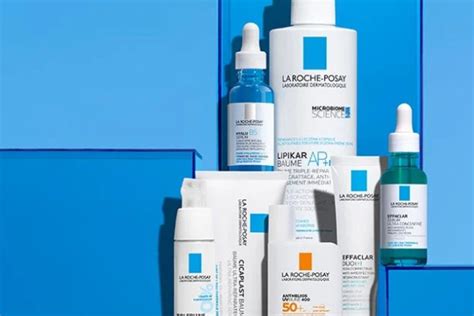
In 1989, La Roche-Posay was acquired by L'Oréal. This strategic move brought increased investment in research and development (R&D) and significantly expanded the brand's global footprint, allowing its specialized skincare to reach consumers worldwide.
Today, La Roche-Posay is sold in over 50 countries and is trusted by millions globally, a significant expansion from its humble beginnings.
The La Roche-Posay Thermal Centre: A Hub for Dermatological Care
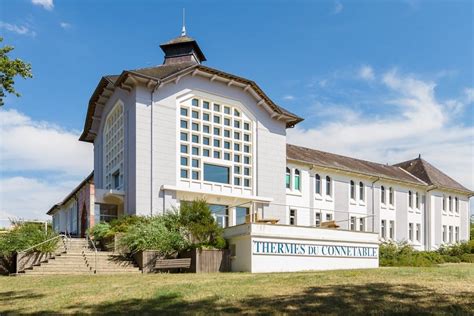
At the heart of the brand's identity remains the La Roche-Posay Thermal Centre. Located in the original French village, it is recognized as the only thermal facility in Europe exclusively dedicated to dermatology. This unique center continues the legacy of therapeutic treatments using the town's natural spring water.
Each year, the Thermal Centre welcomes around 8,000 patients, including many children. They receive doctor-prescribed treatments for a range of skin conditions such as eczema, burns, lichen planus, and post-cancer skin complications. This dedication to treating complex dermatological issues reinforces the brand's core mission.
The Science Behind the Skincare: Thermal Spring Water and Key Ingredients
The cornerstone of La Roche-Posay's product formulations is its naturally soothing, antioxidant-rich Thermal Spring Water. Discovered centuries ago in the town of La Roche-Posay, France, this water has been recognized by the scientific community for its remarkable skincare properties. Its high concentration of Selenium, a rare and powerful natural antioxidant, is key to its efficacy.
La Roche-Posay Thermal Spring Water is the result of rainwater flowing for thousands of years over limestone rocks containing natural reserves of selenium. The water's unique properties lie in the stability of its ingredients, which maintain its high selenium content and contribute to the physiological balance of the skin. Selenium is a potent antioxidant that helps protect the skin from oxidative stress, a primary cause of skin aging, and plays a fundamental role in fighting free radicals.
In addition to its signature thermal water, La Roche-Posay incorporates other beneficial ingredients into its formulations. Moisturizers often include niacinamide (a form of vitamin B-3) and vegetable glycerin, a moisturizing agent. Cleansers may feature exfoliating LHA (a derivative of salicylic acid) and ceramides. The brand also emphasizes a strict formulation charter, prioritizing safety and efficacy by rigorously selecting concentrated, dermatologist-recognized ingredients while excluding potentially irritating ones.
Commitment to Research, Education, and Accessibility
La Roche-Posay's commitment extends beyond product development to education and public health. In 1995, the brand furthered this commitment by launching the La Roche-Posay Foundation. This foundation is dedicated to funding dermatological research and raising awareness around critical issues such as skin cancer prevention.
Since its founding in 1995, the Foundation La Roche-Posay has awarded more than 100 fellowships for dermatology research across four continents, demonstrating a deep investment in advancing dermatological science.
La Roche-Posay is committed to making dermatological skincare accessible to as many people as possible. This philosophy is reflected in their product availability through various retailers, including drugstores, making their specialized formulations more attainable.
Iconic Products and Dermatologist Recommendations
La Roche-Posay offers a wide range of products catering to various skin needs. Among its most celebrated are:
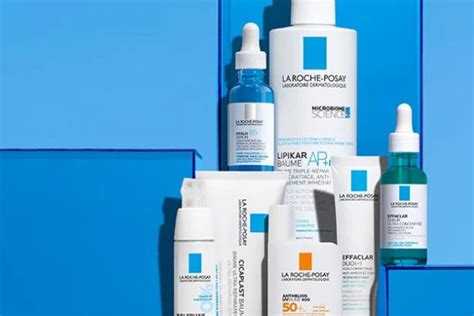
- Cicaplast Balm B5 Multi-Purpose Repairing Balm: Infused with vitamin B5, madecassoside, glycerin, shea butter, and La Roche-Posay Thermal Spring Water, this balm soothes, hydrates, and visibly restores sensitive, irritated, or damaged skin.
- Anthelios UVMune 400 Invisible Fluid SPF 50+: A bestseller, this sweat- and sand-resistant sun cream offers high broad-spectrum protection in a featherlight, invisible formula. The Anthelios line also includes innovations like sunscreens that combine sun filters with antioxidants to protect against free radicals caused by the sun.
- Effaclar Duo+M Moisturiser: A go-to solution for blemish-prone skin, this moisturizer helps to unclog pores and reduce blackheads, post-acne marks, and imperfections. Powered by salicylic acid, it delivers visible results while maintaining skin hydration.
- Toleriane Double Repair Face Moisturizer: This popular product is known for its ability to hydrate and visibly repair the skin barrier, making it ideal for all skin types, especially dry and sensitive.
- Toleriane Hydrating Gentle Facial Cleanser: A mild, creamy cleanser that effectively cleanses without stripping the skin's natural moisture barrier, suitable for sensitive, combination, or dry skin.
- Hyalu B5 Pure Hyaluronic Acid Serum: This serum aims to hydrate and plump the skin, reducing the appearance of fine lines and improving elasticity, suitable for all skin types seeking anti-aging or hydrating benefits.
The brand is recommended by 90,000 dermatologists worldwide, underscoring its efficacy and safety standards. La Roche-Posay products are developed according to a strict formulation charter, ensuring a combination of safety and effectiveness. They are known for being fragrance-free in many of their formulations, a key reason why dermatologists and individuals with sensitive skin or fragrance allergies favor the brand.
Supply Chain and Brand Affiliation
La Roche-Posay is part of the L'Oréal Group, a global beauty conglomerate. The brand's products are manufactured in France, with the supply chain managed by L'Oréal, which possesses an extensive distribution network. This ensures that La Roche-Posay products are widely available globally, including in markets like Australia.
L'Oréal's supply chain is recognized for its resilience and agility, adapting to consumer behavior and market changes. This includes digitalization efforts and flexible distribution strategies, ensuring product availability even during challenging times.
The brand's commitment to quality is evident in its sourcing of key ingredients, such as Ecamsule (Mexoryl SX), a water-soluble UV filter patented by L'Oréal, which contributes to the sunscreen's effectiveness without making the skin oily.
Accessibility and Value
While La Roche-Posay products can be pricier than some drugstore brands, they are generally considered to offer good value due to their high-quality ingredients, dermatologist backing, and effective formulations. Many products are available at accessible retailers like Target, Walgreens, and Ulta Beauty, with occasional promotions offering further savings.
Compared to some high-end brands, La Roche-Posay remains a more budget-friendly option for specialized skincare. The brand's commitment to making dermatological skincare accessible is a significant aspect of its overall mission.