Collagen is a fundamental structural protein found throughout the animal kingdom, playing a crucial role in supporting and strengthening various bodily tissues. These include bone, skin, tendons, ligaments, muscles, cartilage, and blood vessels. With emerging research highlighting the benefits of collagen peptide supplements, many are exploring their potential for both internal and external health improvements. However, the variety of collagen sources and types available can be confusing for consumers. A common question is the distinction between marine and bovine collagen, and which might be more effective for specific health goals, particularly hair growth.
Why Consider a Collagen Supplement?
Collagen is the second most abundant substance in the human body after water. Unfortunately, our natural collagen production begins to decline around the age of 20, decreasing by approximately 1.5% annually. By the time we reach 40, our collagen production can be reduced by as much as 25%. This decline can negatively impact the skin, joints, hair, and nails, and may also affect digestive health. Factors such as environmental toxins, poor nutrition, exposure to harmful UV rays, and inadequate sleep can accelerate this decline.
Regular collagen supplementation can contribute to overall wellness, promoting glowing skin, improved skin elasticity, better gut health, and promoting long, lustrous hair. Recent studies also suggest that collagen may help reduce inflammation, enhance sleep quality, and aid in cartilage regeneration. Furthermore, specific amino acids found in hydrolyzed collagen have shown promise in promoting hair regrowth. For instance, one study indicated that volunteers taking a cysteine supplement for 50 weeks experienced a 50% increase in hair growth. Another study combining L-cystine with other ingredients demonstrated improved hair growth in women experiencing hair loss.
Marine vs. Bovine Collagen for Hair Health
Recent research has illuminated the distinct ways in which marine and bovine collagen peptides (CPs) can enhance hair follicle (HF) health and mitigate hair loss. Marine collagen appears to be superior in prolonging the anagen (growth) phase of the hair cycle, a critical factor for sustained hair regrowth. It achieves this by helping to maintain the quiescence of specific hair follicle stem cells (K15+ epithelial HF stem cells or eHFSCs) located in the bulge region and by increasing the populations of CD34+ progenitor cells. In contrast, bovine collagen primarily reinforces the eHFSC niche by increasing K15+ cells and reducing stem cell apoptosis (programmed cell death). While beneficial, its impact on extending the anagen phase and overall hair regrowth is generally less pronounced compared to marine collagen.
The enhanced efficacy of marine collagen is attributed to its rich content of hydroxyproline and hydroxylated proline. These amino acids are vital for antioxidative properties and are crucial for supporting hair growth. These findings suggest that marine collagen may be particularly effective in addressing conditions such as androgenetic alopecia and telogen effluvium.
Understanding Different Collagen Types
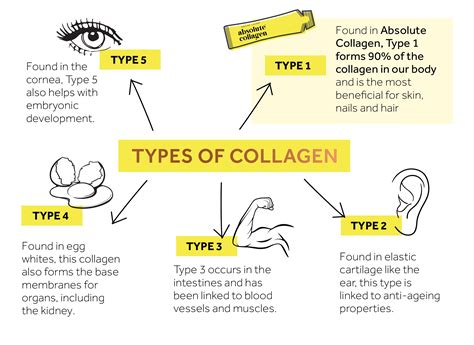
While there are over 16 identified types of collagen, the most prevalent in the human body are Types I, II, III, and IV.
- Type I Collagen: This is the most abundant type, making up approximately 80% of the body's collagen. It is a key component of hair, bones, skin, teeth, ligaments, and tendons. Type I collagen contributes to hair thickness, skin clarity, and plays a role in minimizing hair loss.
- Type II Collagen: Primarily found in joint cartilage, this type supports the knees, back, jaw, and other joints, contributing to agility, strength, and flexibility.
- Type III Collagen: This type constitutes the connective tissue of organs and muscles and is essential for maintaining and repairing the body. It helps improve the elasticity of ligaments and tendons, which naturally declines with age.
- Type IV Collagen: Less common, Type IV collagen aids in the filtration process of the kidneys and other organs. It also supports skin health and may assist in wound healing and digestion.
Source and Quality Differences: Marine vs. Bovine
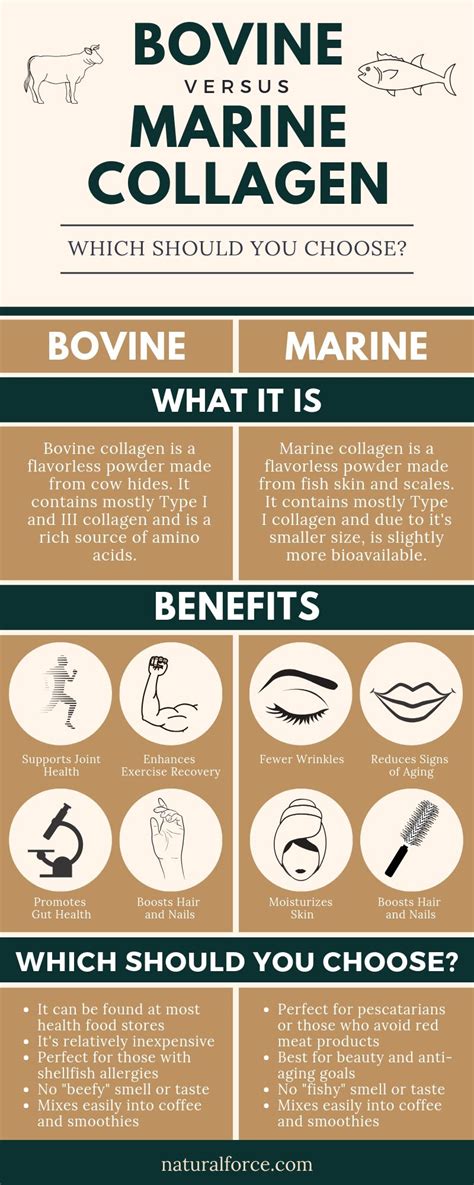
The primary distinction between marine and bovine collagen supplements lies not only in their source but also in the potential quality influenced by the animal's environment. Bovine collagen is typically a by-product of the beef industry, derived from processing cows' hides. If not utilized for gelatin or hydrolyzed collagen, this material would otherwise be discarded. Bovine collagen supplements primarily contain Collagen Types I and III and are often used to support bone and joint health, skin, and nails.
Marine collagen is predominantly sourced from fish and is the best source of Collagen Type I. As mentioned, Type I collagen is crucial for skin structure and supports hair follicles. Hydrolyzed marine collagen has a smaller molecular size, making it approximately 1.5 times more absorbable than bovine collagen and allowing it to dissolve easily in both cold and warm beverages.
Collagen derived from wild-caught, deep-sea fish is generally considered the highest quality. Fish collagen, or marine collagen, is primarily Type I, which is highly effective for rebuilding and healing the body. It has long been utilized in the cosmetic industry for its skin-enhancing properties. Marine collagen is an excellent option for pescatarians and individuals who avoid beef products. Many find marine collagen to be more beneficial for hair and skin than bovine collagen. If skincare products have yielded unsatisfactory results, the issue might stem from internal factors addressable through diet and collagen supplementation. Marine collagen provides a foundation for healthy, radiant skin, potentially clearing blemishes, minimizing wrinkles, and improving skin elasticity for a youthful glow.
Marine collagen is considered a purer form of collagen and is more bioavailable compared to bovine collagen. This higher bioavailability means it is absorbed more rapidly by the body, potentially leading to faster noticeable results. Land animals carry a higher risk of contamination from hormones and diseases than marine animals. Additionally, concerns surrounding Bovine Spongiform Encephalopathy (BSE), or "mad cow disease," have increased interest in fish skin collagen as a safer alternative to collagen derived from livestock. Wild-caught marine collagen is often regarded as the cleanest and safest variety. When ethically sourced, marine collagen also presents a more environmentally sustainable choice.
Bovine collagen, or beef collagen, is the most common source in supplements. It is mainly composed of Type I and Type III collagen, both vital for the repair and growth of bones, ligaments, tendons, and skin. For those seeking high-quality beef collagen, opting for grass-fed varieties is recommended. Bovine collagen is generally more cost-effective and widely available than marine collagen. It is also a suitable option for individuals with shellfish allergies who cannot consume marine collagen.
Bovine collagen may assist with osteoarthritis and common joint pain by stimulating cartilage production, which cushions the joints. Improved collagen quality in the joints can help reduce pain and stiffness in the knees, hands, hips, elbows, and other joints. High stress levels, poor nutrition, and various food sensitivities can damage the intestinal lining, leading to issues like "leaky gut." This condition allows foreign particles to enter the bloodstream, potentially causing inflammation and increasing the risk of autoimmune diseases. By aiding in the repair of microscopic holes in the gut lining, bovine collagen can help alleviate leaky gut symptoms and other digestive disorders such as IBS and Crohn's disease. Glycine, an abundant amino acid in bovine collagen, has been shown to improve sleep quality when consumed before bed. Glycine is also suggested to help manage core body temperature and regulate blood sugar levels, further contributing to better sleep.
5 Surprising Facts About Collagen Supplements You Must Know!
Marine collagen might be a preferable choice for those seeking quicker results, individuals concerned with hair, skin, and nail health, and those who do not consume cow products. In combination with resistance training, collagen peptide supplementation has been shown to improve body composition and increase muscle strength in elderly men with sarcopenia.
Key Differences Summarized
When choosing a collagen supplement, understanding the differences between marine and bovine collagen is essential. Most collagen in the body is Type I, which is crucial for skin and hair. Collagen Type II is typically found in cartilage and is beneficial for joints, supporting the skeleton for effective movement and recovery. Collagen Type III is the second most prevalent type in the body.
Marine Collagen
Marine collagen is derived from fish, specifically from fish skin and scales. When fish are processed for food, any remaining bones, scales, and excess skin are cleaned, and the collagen is extracted.
- Absorption: Marine collagen has smaller particles, allowing for quicker absorption compared to other collagen types.
- Collagen Type: It is predominantly Type I collagen, which is vital for skin and hair.
- Bioavailability: Its higher bioavailability means the body expends less energy metabolizing it, which is beneficial for individuals with gut issues.
- Sleep Benefits: Glycine, an amino acid naturally present in marine collagen, has been shown to positively impact sleep and help with insomnia.
- Sustainability: Derived from waste products that might otherwise be discarded, marine collagen is a sustainable source.
Bovine Collagen
Bovine collagen is sourced from beef, primarily from cow hides. After the beef is used for food, collagen is extracted from the hides. Bovine collagen is available in various forms, including powders, tablets, and liquids. While chicken is often cited as having more collagen than beef, bovine sources are common in supplements.
- Allergy Considerations: Bovine collagen is a better option for individuals with shellfish allergies who cannot take marine collagen supplements.
- Amino Acid Profile: It is rich in essential amino acids like glycine and proline. Glycine plays a role in joint repair and muscle growth.
- Collagen Types: Bovine collagen contains more Type II collagen than marine collagen, making it a preferred choice for those aiming to improve athletic performance by aiding muscle and joint repair.
- Cost-Effectiveness: Bovine collagen is generally considered a more economical option as it is a by-product of the beef industry, a widely consumed meat.
- Dietary Restrictions: Bovine collagen is not suitable for vegetarians or individuals who avoid meat for religious or cultural reasons, making marine collagen a more inclusive option in such cases.
The primary difference between marine and bovine collagen lies in their source. The bioavailability of marine collagen is a significant advantage, ensuring that the body effectively absorbs the nutrients for faster results. Products like SKINGLO marine collagen sachets combine marine collagen with other beneficial ingredients like L-Lysine and ceramides for a comprehensive collagen boost.