Lice and dandruff are two common conditions that affect the scalp, often causing confusion due to their similar symptoms like itching and the presence of small particles in the hair. However, they have fundamentally different causes and require distinct treatment approaches. Understanding these differences is crucial for proper identification and effective management.
What are Head Lice?
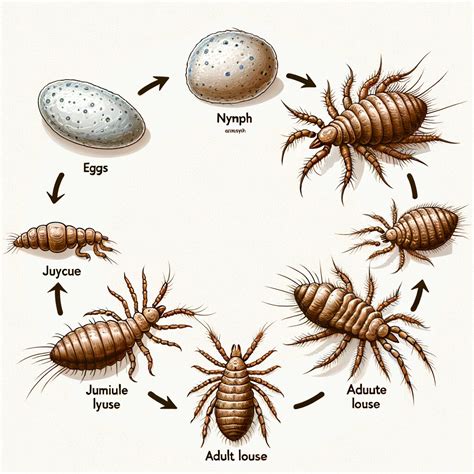
Head lice are contagious parasites that infest the human scalp. These tiny, wingless insects, scientifically known as Pediculus humanus capitis, feed on small amounts of human blood. They are highly contagious and spread through direct head-to-head contact or, less commonly, by sharing personal items such as hats, combs, brushes, or hair accessories. Lice exist in three forms:
- Eggs, also called “nits:” These are tiny, white specks cemented firmly to individual hair shafts, typically within a quarter inch of the scalp. They are oval-shaped and can be translucent or yellowish-brown.
- Nymphs: These are young lice that have hatched from nits. They are small, tan-colored insects.
- Adult lice: These are fully grown insects, still extremely small, about the size of a sesame seed.
The itching associated with lice is caused by an allergic reaction to the insects' saliva and their constant crawling movements on the scalp. In some cases, particularly with prolonged scratching, secondary bacterial infections can develop, leading to swollen lymph nodes behind the ears or on the neck.
What is Dandruff?
Dandruff, also known as seborrheic dermatitis, is a common, non-contagious skin condition of the scalp. It is characterized by the rapid shedding of dead skin cells, resulting in flaky skin or scales on the scalp. Dandruff is not caused by an external parasite but rather by a combination of factors, including:
- Excessively dry or oily skin
- Sensitivity to hair products
- An overgrowth of a naturally occurring scalp yeast called Malassezia globosa, which can trigger an inflammatory response and accelerate skin cell shedding.
- Certain genetic factors
While dandruff can cause itching, it is often less intense than the itching caused by lice, and it tends to be more pronounced when the scalp is very dry. Dandruff can affect adolescents and young adults, but it can also occur in older adults and children. A related condition, cradle cap, is common in newborns.
Key Differences Between Lice and Dandruff
Distinguishing between lice and dandruff is essential for choosing the correct treatment. Here are the key differences:
Location and Attachment
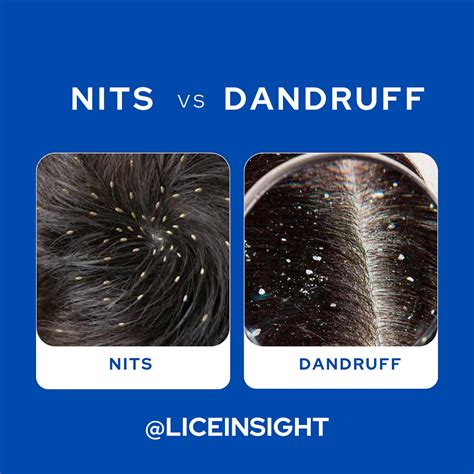
- Lice/Nits: Nits are firmly cemented to the hair shafts, usually close to the scalp. They are difficult to remove and will not slide off easily between the fingers. Live lice are mobile insects found on the scalp.
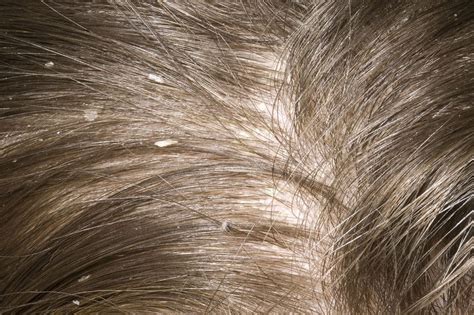
- Dandruff: Dandruff flakes are loose dead skin cells that sit on the scalp and hair. They are easily dislodged and fall off readily when the hair is moved or brushed.
Contagion
- Lice: Head lice are highly contagious and can spread easily from person to person through close contact.
- Dandruff: Dandruff is not contagious and cannot be passed from one person to another.
Appearance
- Lice/Nits: Nits are typically oval-shaped and can be yellowish-brown or white. Live lice are tiny, tan to grayish-white insects that may require magnification to see clearly. They may appear as small black or brown spots on the scalp or in the hair.
- Dandruff: Dandruff flakes are usually white or yellowish and vary in size. They are often described as dry or oily.
Itching Sensation
- Lice: Itching from lice is often more intense and can be described as a crawling sensation on the scalp. It is frequently concentrated behind the ears and at the nape of the neck.
- Dandruff: Itching from dandruff can range from mild to moderate and is often associated with dry or irritated scalp.
Lymph Nodes
- Lice: Lice infestations can sometimes lead to swollen lymph nodes in the neck or behind the ears due to scratching and potential secondary infections.
- Dandruff: Swollen lymph nodes are not typically associated with dandruff.
Diagnosis and Home Checks
Accurate identification is the first step toward effective treatment. While a professional diagnosis is often recommended, several at-home checks can help differentiate between lice and dandruff:
Visual Inspection
Carefully examine the scalp and hair, especially behind the ears and at the nape of the neck. Look for live, crawling insects (lice) or tiny eggs firmly attached to hair shafts (nits). Dandruff flakes will appear as loose particles on the scalp and hair.
The Slide Test
Pinch a suspect speck and try to slide it down the hair shaft. If it moves freely, it is likely dandruff. If it is stuck firmly, it may be a nit.
The Flick Test
Flick the speck with your fingernail over a white surface. Dandruff typically falls as a flat flake. Nits, being more solid and attached, may not move as easily.
Wet-Combing Technique
This is considered one of the most effective methods. Apply conditioner to damp hair and use a fine-toothed lice comb to systematically comb through the hair from root to tip. After each pass, wipe the comb onto a white paper towel to check for lice or nits. Repeat this process across the entire head.
If you are unable to confidently distinguish between lice and dandruff after at-home checks, or if symptoms persist, it is advisable to consult a healthcare professional or a professional lice removal service.
Treatment Options
The treatment for lice and dandruff differs significantly due to their distinct causes.
Treating Head Lice
Treatment for head lice typically involves:
- Medicated Shampoos: Over-the-counter (OTC) or prescription shampoos containing ingredients like permethrin or pyrethrin are effective in killing lice and nits. A second treatment, usually 7 to 10 days later, may be necessary to ensure all lice are eradicated.
- Combing: Using a fine-tooth comb to meticulously remove dead lice and nits after shampooing is crucial.
- Home Cleaning: Washing clothing, bedding, and towels used by the infested person in hot water (130°F or hotter) and drying them on a high heat setting is important to kill any lice or nits. Vacuuming upholstered furniture and carpets can also help.
- Professional Treatment: Specialized clinics offer professional lice removal services using methods like the AirAllé® device, which uses controlled heated air to dehydrate lice and eggs without chemicals.
How to spot and treat Head lice (nits) | Doctor O'Donovan explains...
Treating Dandruff
Dandruff can usually be managed with:
- Anti-Dandruff Shampoos: Shampoos containing active ingredients such as coal tar, salicylic acid, ketoconazole, selenium sulfide, or zinc pyrithione can help slow skin shedding and treat fungal infections.
- Regular Washing: For some, regular hair washing with a gentle shampoo can help manage dandruff.
- Identifying Triggers: Avoiding potential triggers like cold, dry air or certain hair products may be beneficial.
If dandruff symptoms do not improve with OTC treatments, it is recommended to consult a dermatologist to rule out other scalp conditions or yeast infections and to obtain prescription-strength treatments if necessary.