When diagnosed with vulvar lichen sclerosus (VLS), it's often accompanied by information regarding its autoimmune and potentially genetic nature, as well as an increased risk of developing vulvar cancer. This information can be deeply unsettling, leading to fear and anxiety. Understanding the connection between vulvar lichen sclerosus and vulvar cancer is crucial for managing this risk effectively.
Understanding Vulvar Cancer
Vulvar cancer is a relatively rare form of cancer, accounting for approximately 0.3% of new cancer cases in the United States. The most common type is squamous cell carcinoma, typically affecting individuals between the ages of 65 and 74. Several risk factors contribute to its development, including advanced age, HPV infection, smoking, pre-existing vulvar inflammatory conditions, prior pelvic radiation therapy, and a compromised immune system. Key signs to watch for include nodules, ulcers or fissures that do not heal, and any new or unusual growths on the vulva. Diagnosis is confirmed through a tissue biopsy, and treatment primarily involves surgical removal of the cancerous tissue.
The Link Between Lichen Sclerosus and Vulvar Cancer
Vulvar lichen sclerosus (VLS) is associated with an increased risk of developing vulvar cancer. However, it is important to emphasize that this risk is considered low, only slightly elevated compared to the general population risk, which is approximately 0.5%. Despite this, any increased risk can understandably cause concern.
What the Science Says
Research indicates that consistent and proper application of steroid treatments, as advised by healthcare professionals, may help prevent vulvar cancer in individuals with lichen sclerosus. A systematic review conducted by Viera-Baptista et al. (2022) analyzed existing research and found that individuals with VLS have a higher likelihood of developing vulvar cancer, particularly if certain conditions like dVIN are present or as they age.
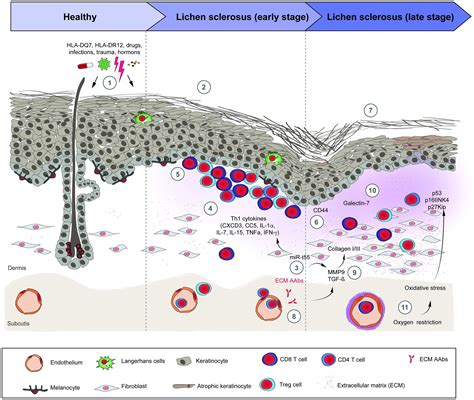
Further research by De Luca et al. (2023) suggests that in later, untreated stages of LS, oxidative stress can occur. This imbalance between oxygen cell production and distribution in the skin, coupled with the downregulation of tumor-suppressing genes (genes that regulate cell division), can lead to uncontrolled cell growth and, in some cases, vulvar cancer.
How Steroids May Reduce Risk
While the exact mechanism by which topical corticosteroids reduce vulvar cancer risk is not fully understood, it is theorized that their anti-inflammatory properties and ability to slow the progression of VLS may help halt the transition to vulvar cancer. Given the significant inflammation and cellular changes observed in advanced VLS, steroids may play a crucial role in mitigating these processes.
Management and Prevention Strategies
Managing lichen sclerosus effectively is key to reducing the risk of developing vulvar cancer. This involves a multi-faceted approach:
1. Topical Corticosteroids
The primary treatment for VLS is typically a strong steroid ointment applied to the affected area. While information leaflets may caution against genital use, when used correctly under medical guidance, these ointments are generally safe and effective in controlling the condition and preventing further skin damage. Treatment may require long-term, consistent use.
2. Regular Follow-Up Appointments
Attending regular follow-up appointments with a healthcare provider is essential. The frequency of these appointments can vary based on individual circumstances, location, and clinic protocols. These visits allow for monitoring the progress of VLS, addressing any concerns, and include a clinical examination of the vulvar skin to check for any potential signs of cancer.
3. Monthly Vulva Checks
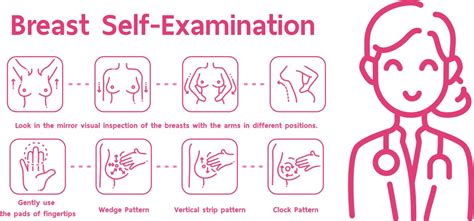
Performing a monthly self-examination of the vulva can help in the early detection of any unusual signs. If any concerning changes are observed, it is important to contact a specialist immediately and report the changes.
Symptoms and Diagnosis
Symptoms of Lichen Sclerosus
Symptoms of VLS can vary but may include:
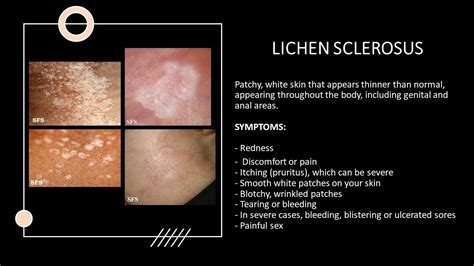
- Itching
- Discomfort or pain
- Smooth white patches on the skin around the genitals and anus
- Pain during urination
- Pain during sexual intercourse
- Easy bruising or blistering in the genital area
Over time, the skin of the vulva may scar and stick together, potentially leading to a narrowing of the vaginal opening.
Symptoms of Vulvar Cancer
Early vulvar cancer symptoms can be subtle or absent. When they do appear, they may include:
- A lump or bump on or near the vulva
- A mole on the vulva that changes in color or shape
- Itching, burning, or pain
- Unusual vaginal discharge, potentially with an odor
- Vaginal bleeding not related to menstruation
- Raised patches of skin on the vulva that differ in color from the surrounding skin
Diagnosis
Lichen sclerosus is typically diagnosed through a physical examination and a review of medical history. For vulvar cancer, a biopsy of the affected tissue is necessary for diagnosis and to determine the type of cancer. Additional tests, such as lab work and imaging scans (X-rays, CT, MRI, PET), may be ordered to assess the extent of the cancer.
Gynecologic Procedures Vulvar Biopsy on Banana Model
Coping with Anxiety and Fear
The diagnosis of lichen sclerosus and the associated risk of cancer can evoke significant anxiety and worry. It is important to acknowledge these feelings and seek support. Understanding that consistent treatment with topical corticosteroids can significantly reduce the risk, potentially back to baseline levels, can provide reassurance. However, it may take time for the emotional impact to subside.
Lichen sclerosus is a chronic condition that cannot be cured but can be managed. Open communication with healthcare providers, family, and friends can be beneficial. Counseling services are also available for those who need additional support in coping with the emotional aspects of living with a vulvar condition.
Survival Rates for Vulvar Cancer
Survival rates for vulvar cancer are most favorable when the disease is detected and treated in its early stages. The 5-year survival rate for cancer that has not spread beyond the vulva can be as high as 93%. However, if the cancer spreads to the lymph nodes in the groin, the 5-year survival rate decreases to approximately 53%. Factors such as age, overall health, and response to treatment also influence prognosis. It is important to remember that survival statistics are based on historical data, and advancements in treatments and early detection methods are continuously improving outcomes.