Rice, a dietary staple in many Asian households, offers more than just sustenance. For centuries, it has been a cornerstone of traditional beauty practices, particularly in achieving flawless, radiant skin. Koreans, for instance, have long utilized rice water for its remarkable skin-enhancing properties, contributing to the coveted "glass skin" aesthetic. This article delves into the nutritional profile of rice water and its extensive benefits for both skin and hair.
What is Rice Water?
Rice water, often overlooked as mere kitchen byproduct, is a potent beauty secret. It is the liquid remaining after soaking or boiling rice, a practice treasured by royalty in Japan and China for its cosmetic virtues. This nutrient-rich liquid is packed with essential vitamins, amino acids, and antioxidants, making it a vital component for healthy hair and skin. It can be used as a hair rinse, a facial toner, or a refreshing spritz throughout the day.
The nutritional value of rice water extends beyond its simple appearance. It is a rich source of vitamins B, C, and E, which are known for their moisturizing properties, contributing to soft, supple, and velvety skin. Furthermore, rice water is recognized for its ability to combat signs of aging.
Despite its plain appearance, rice water is laden with potent nutrients. It contains a spectrum of beneficial compounds, including amino acids, B vitamins, antioxidants, and minerals like zinc and magnesium. These elements work synergistically to promote skin health and vitality.
Key Nutrients and Their Benefits
Rice water is a powerhouse of nutrients that benefit the skin in numerous ways:
- Antioxidants: These combat free radicals, minimizing the appearance of aging signs and protecting against environmental stressors.
- Ferulic Acid: Naturally occurring in rice water, this compound enhances the efficacy of other vitamins.
- Amino Acids: These facilitate skin regeneration and promote hair growth.
- Inositol: This compound enhances cell development and improves blood circulation.
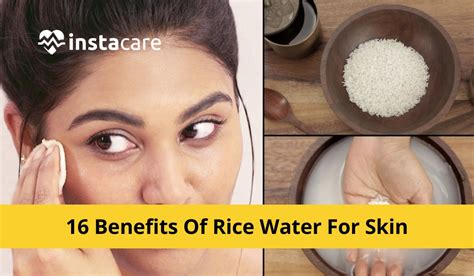
The anti-inflammatory properties of rice water are particularly beneficial for reducing puffiness, redness, irritation, and swelling, offering a calming and soothing effect on the skin. Additionally, it contributes to a natural glow by reducing hyperpigmentation, scar marks, dark spots, and dullness, leaving the skin radiant from within.
For dry skin, rice water acts as a hydrating agent, replenishing moisture and strengthening the skin's natural barrier. As a toner, it effectively tightens pores and balances pH levels, while also absorbing excess sebum and oil, leaving the skin feeling refreshed and less sticky.
Research suggests that the bio-physical structure of rice water closely matches the cellular structure of our skin, making its starch a valuable addition to skincare routines. The nutrients in rice water fortify and stabilize the skin's natural barrier. The ferulic acid antioxidants present in rice water also offer protection against sun-induced damage.
Rice water is instrumental in lightening dark spots and pigmentation caused by various factors, including acne, sun exposure, environmental stressors, makeup, and an unhealthy diet.
How to Prepare and Use Rice Water
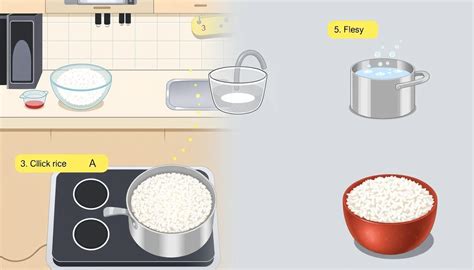
Incorporating rice water into your beauty routine is simple and cost-effective. The process typically involves soaking or boiling rice.
Methods of Preparation:
- Soaking Method:
- Take one cup of rice and wash it thoroughly to remove any residue or germs.
- Add three cups of water and soak the rice. For a cooling effect, the soaked rice can be stored in the refrigerator.
- Stir the soaked rice once daily. After three days, you will have prepared homemade rice water.
- The soaked rice can still be used for cooking.
- Boiling Method:
- Rinse one cup of rice and then boil it with three cups of water, similar to regular rice cooking.
- This method not only yields freshly cooked rice but also results in water rich in vitamins, minerals, amino acids, and nutrients beneficial for skin and hair.
- Quick Soak Method:
- Rinse the rice once and soak it in warm or room temperature water.
- This is a straightforward method with no cooking or overnight fuss.
DIY Rice Water Recipes:
- Rice Water Ice Cubes: Mix rice water with aloe vera gel for enhanced hydration. Pour the mixture into an ice tray and freeze. Use these cubes as a natural gua sha tool, rubbing them on your face morning and night.
- Rice Water Toner: Pour rice water into a clean serum bottle or a spritzer. Store it in the refrigerator for use as a facial toner.
- Facial Cleanser: Use rice water with a cotton ball as a mild cleanser, sweeping it across the face and patting dry.
- Face Mask: Mix rice water with a dash of lemon juice and aloe vera pulp to create a thin paste. Apply this mixture to the face as a mask.
- Face Mist: Pour rice water into a mist bottle, refrigerate, and use as a refreshing face mist.
Skin Benefits of Rice Water
Rice water offers a multitude of benefits for the skin, addressing various concerns and enhancing overall complexion:
- Hydration and Moisturization: Rice water thoroughly hydrates and calms dry skin by replenishing moisture and strengthening the skin's barrier.
- Toning and Pore Tightening: It acts as an effective toner, tightening pores and balancing the skin's pH levels.
- Oil Control: Rice water absorbs excess sebum and oil, reducing stickiness and mattifying the skin.
- Anti-Aging Properties: The antioxidants in rice water fight free radicals, reducing the appearance of fine lines and wrinkles. Ferulic acid enhances the activity of other vitamins, contributing to a more youthful appearance.
- Skin Regeneration: Amino acids in rice water support skin regeneration and repair processes.
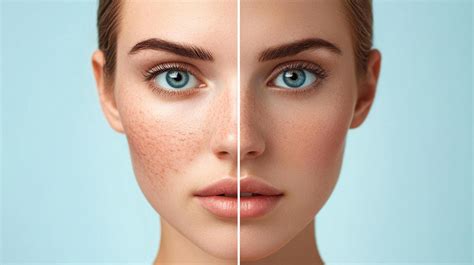
- Brightening and Hyperpigmentation Reduction: It helps to reduce hyperpigmentation, dark spots, and dullness, promoting a radiant and even skin tone.
- Soothing and Anti-Inflammatory Effects: Its anti-inflammatory properties calm redness, irritation, and swelling.
- Protection Against Sun Damage: Ferulic acid and other antioxidants in rice water provide protection against UV-induced damage.
- Improved Skin Texture: Rice water can help smooth rough skin texture and minimize the appearance of pores.
A study indicated that the bio-physical structure of rice water aligns with the cellular structure of human skin, making it an excellent skincare ingredient. The starch content is particularly beneficial for moisturizing and skin conditioning.
Rice water has been shown to be effective in lightening dark spots and pigmentation caused by acne, sun exposure, environmental factors, and other impurities. Preliminary studies also suggest it may soothe sunburns.
Expert Opinions and Studies
K-beauty guru Alicia Yoon emphasizes rice's significance in Korean beauty culture, noting its brightening and anti-inflammatory benefits. Licensed esthetician and founder of Peach & Lily, Alicia Yoon, states that rice water improves skin moisture and soothes inflammation. Dermatological surgeon Dr. Joel Schlessinger agrees that rice can smooth rough texture and improve skin firmness.
Research supports these claims, with some studies indicating that ingredients isolated from rice possess anti-aging, anti-inflammatory, whitening, photoprotective, and moisturizing properties. For instance, rice bran ash extract has shown potential in increasing melanin synthesis and offering protection from radiation, while fermented rice bran extract has been utilized in treatments for atopic dermatitis.
A 2013 study highlighted that rice wine (fermented rice water) can aid in improving sun-damaged skin by increasing collagen production and offering natural sunscreen properties. Other research points to the anti-aging benefits of fermented rice water due to its potent antioxidant content.
The effectiveness of rice water as a natural sunscreen has also been explored, with a 2016 study showing it enhanced protection when combined with other plant extracts.
Personal Experience and Regimen
One individual documented their experience using rice water as a facial cleanser for seven consecutive days. The routine involved double-step cleansing, with rice water applied via a cotton ball after an initial coconut oil wash. The results indicated that the rice water left the skin soft and smooth without drying it out. Over the week, the skin felt matte and oil-free, with a natural shine that wasn't overly greasy. Existing blemishes appeared to fade, and makeup application improved due to the mattifying effect.
It was noted that scaling back on other skincare products might have contributed to the positive results. While the acne scarring did not significantly improve, the overall skin felt milder, gentler, softer, and more matte. The slight sour odor that developed by day six was attributed to natural fermentation, which is said to increase antioxidant content and anti-aging benefits.
Homemade Korean Rice Toner & Mask for 7 Days (My Skin Will Never Be the Same!)
Hair Benefits of Rice Water
Beyond its benefits for the skin, rice water is also highly regarded for its positive effects on hair health:
- Strengthens Hair: Inositol, a component of rice water, can penetrate damaged hair, repairing it from within and helping to mend split ends.
- Improves Hair Elasticity: Regular use of rice water as a hair rinse can make hair more elastic and less prone to breakage.
- Adds Shine and Softness: Rice water leaves hair feeling soft and adds a natural shine.
- Promotes Hair Growth: The amino acids in rice water contribute to hair growth by supporting scalp health and follicle strength.
Alicia Yoon shares her personal experience, noting that rice water leaves her hair soft and seemingly stronger.
Considerations and Precautions
While rice water is generally safe and beneficial, certain precautions should be taken:
- Frequency of Use: For optimal results and to avoid potential dryness, tightness, or irritation, especially for sensitive skin, it is recommended to use rice water 2-3 times a week.
- Storage: Rice water should be stored in a clean, airtight container in the refrigerator and used within one week. Change the water every couple of days to prevent spoilage.
- Hygiene: Thoroughly rinse rice before preparation to remove impurities, pesticides, or bacteria. Improperly prepared or stored rice water can lead to skin infections or reactions.
- Patch Test: Before applying rice water to the face, perform a patch test on a small area of skin (e.g., inner wrist or behind the ear) to check for any adverse reactions.
- Ingestion: While some recommend drinking rice water for digestive issues, it may contain traces of arsenic. Excessive consumption can be harmful.
- Type of Rice: For optimal nutrient content, it is recommended to use raw, unprocessed rice, such as organic brown rice, as polished and refined rice may lack essential nutrients.
It's important to note that while anecdotal evidence and traditional use support many of the claims regarding rice water's benefits, hard scientific evidence is still developing for some applications.