Lip augmentation in Sydney is a cosmetic treatment designed to enhance the shape, definition, and proportion of the lips. Some patients seek subtle volume restoration, while others desire clearer lip border definition, improved symmetry, or age-related rejuvenation. Because lip anatomy varies significantly between individuals, lip augmentation requires careful assessment and conservative planning.
A/Prof. Tim Papadopoulos offers lip augmentation options based on your anatomy, aesthetic preferences, and overall facial balance. During a consultation, Dr. Tim discusses suitability, technique options, risks, downtime, and realistic expectations as part of informed consent. Importantly, results vary between individuals.
Understanding Lip Augmentation Techniques
Lip augmentation can be performed using non-surgical injectables or surgical techniques. The most common form of lip augmentation uses injectable hyaluronic acid (HA) dermal fillers. HA is a naturally occurring substance found in the body.
For selected patients, fat grafting (fat transfer) can provide longer-term volumisation. In some cases, patients may benefit more from structural lip enhancement rather than volume injection alone. Other surgical techniques may be recommended based on the individual’s anatomy and aesthetic goals.
The goal of lip augmentation is to improve lip proportion while maintaining harmony with the rest of the face.
Non-Surgical Lip Augmentation
Hyaluronic Acid (HA) Dermal Fillers
Hyaluronic acid (HA) based dermal fillers are the most frequently used method for lip augmentation. HA is a naturally occurring substance in our bodies that, along with collagen, makes up the dermal layer of our lips. For dermal fillers, a numbing cream is applied to ensure comfort. Post-procedure swelling and mild discomfort are common but resolve within days. Dermal filler results typically last 6-12 months. Non-surgical lip augmentation leaves no scars. Results from fillers are immediate.
Fat Transfer to Lips
Fat Transfer to Lips, also known as fat grafting or fat transfer, uses your own body fat for lip augmentation and can be an alternative to repeated treatments with fillers, offering longer-lasting volumisation. In this procedure, fat is harvested by liposuction from a chosen body area, processed to remove unwanted oils and fluids, and then injected into your lips. Fat transfer to lips needs to be performed in a licensed hospital under local anaesthesia +/- sedation or under general anaesthesia. However, there is no need for an overnight hospital stay.
Tissue Grafting to Lips
One alternative to fat transfer lip augmentation is to use a piece of your own skin to plump up the lips. For example, an excised Caesarean scar or a strip of skin removed during a facelift could be used for lip augmentation. After the strip of skin is removed, its top layer (the epidermis) is removed, leaving a strip of dermis which is then rolled up into a cigar-like shape and inserted into the lips. Tissue grafting to lips is performed in a licensed hospital under local anaesthesia +/- sedation or under general anaesthesia, with no need for an overnight hospital stay.
Lip Implants
A synthetic lip implant presents a more permanent and predictable alternative for creating fuller lips. Commercially marketed lip implants are usually made of e-PTFE or silicone and come in a variety of diameters and lengths. Your surgeon will carefully measure your lips from corner to corner to choose the correct implant length. Due to the more curved shape of the upper lip compared to the lower lip, it is not uncommon for the implant sizes for the upper and lower lips to be different. Lip implants are inserted through a small incision in each corner of the mouth, meaning the final scars would be expected to be inconspicuous. The procedure is performed in a licensed hospital under local anaesthesia +/- sedation or under general anaesthesia, with no need for an overnight hospital stay.
Surgical Lip Augmentation
Lip Lift Surgery
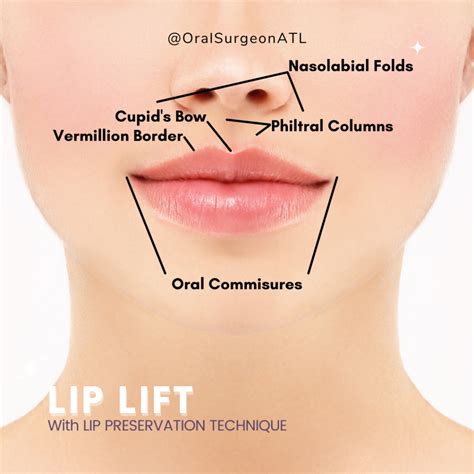
Lip Lift Surgery can represent a worthwhile alternative for patients looking to permanently increase the height of the pink surface of their upper lip, thereby avoiding the cost of non-surgical injections every 4-6 months. Various designs of lip lift surgery exist to deliver specific changes in shape of the upper lip. At your initial consultation, our plastic surgeon will explain which designs would be suitable for your lips. The surgery involves removing a thin strip of skin immediately under the nostrils. When the skin edges are then sutured together, the upper lip is lifted upwards, exposing more of its pink surface. The procedure is performed in a licensed hospital under local anaesthesia +/- sedation or general anaesthesia, with no need for an overnight hospital stay.
Lip Lift Surgical Markings | Dr. Gary Linkov
Upper Lip Lift Procedures
A long upper lip or philtrum is a sign of ageing and can prevent your upper teeth from showing. An Upper Lip Lift is a cosmetic surgical procedure that aims to make the lips larger in appearance. The key indicator for the surgeon lies in shortening the distance between the base of the nose and the border of the upper lip (Cupid’s Bow). This area under the nose is called the philtrum. By shortening the philtrum and pulling the upper lip upward, more “pink” will roll outward. Your plastic surgeon will help you choose the optimal Lip Lift Surgery for your cosmetic goals. Lip Lift is a one-day cosmetic procedure. It can be suitable for both younger and older patients. There’s no one single cause for thin, inverted lips; it can be a result of ageing. As we age, skin loses elasticity, and the philtrum lowers, causing the upper lip to reduce in size.
Types of Upper Lip Lift Procedures
- Bullhorn Lip Lift (Subnasal Bullhorn Lip Lift): This involves a curved incision along the lower border of the nose. Your surgeon will precisely cut out a bullhorn-shaped piece of skin from under the nose. The lower edge of the incision is pulled up, lifting the upper lip and rolling it out. This is one of the most commonly performed lip lift techniques.
- Direct Lip Lift (Gullwing Lip Lift): This involves a skin incision right at the vermillion border, above the lip, instead of under the nose. After cutting a thin piece of skin, your surgeon will roll the lip out and suture it in place. A Direct Lip Lift aims to create a more defined upper lip border but can leave a thin scar above the lip.
- Corner Lip Lift: This involves two incisions, one at each corner of the mouth. Your surgeon will pull the sides upward and outward.
- Italian Lip Lift: This option involves smaller incisions compared to Central and Bullhorn Lip Lifts, with two small incisions, one under each nostril.
- Central Lip Lift: This is another surgical procedure to make the lips appear bigger, involving a single incision right under the nose. It’s a smaller incision compared to Bullhorn and Gullwing Lip Lifts.
In most cases, a Lip Lift can be done in the clinic, and a hospital stay may not be required. Recovery after an Upper Lip Lift is usually straightforward, with symptoms including slight bruising, lip swelling, pain, and numbness. You can go to work 1 to 2 days after your Lip Lift Surgery. Gently resume physical activity over time, but avoid contact sports during recovery. You can eat and drink normally, though it might be a little uncomfortable the first couple of days. Your sutures need to be removed after 5 to 7 days, unless they are dissolvable sutures. A Surgical Upper Lip Lift is considered a long-lasting option.
The Consultation Process
Dr. Tim will conduct a detailed consultation to understand your goals, assess your facial proportions, and recommend the best approach. During a consultation, suitability, technique options, risks, downtime, and realistic expectations are discussed as part of informed consent.
Patients seeking lip augmentation for the first time must attend an in-person assessment. As part of this process, you will also have a consultation with a prescribing doctor, either in person or via telehealth. Before administering any treatment, the proposed lip augmentation is discussed with the patient, including potential risks, possible complications, and risk-management protocols. Patients are required to acknowledge that they understand the proposed treatment and its associated risks.
At Bella Plastic Surgery, transparency is an integral part of our clinical approach. Images and videos shared during consultations and across our platforms show lips that have settled, typically at least two weeks after treatment. Some images may be shared during consultation to help patients who want to view examples of lip augmentation.
Post-Treatment and Recovery
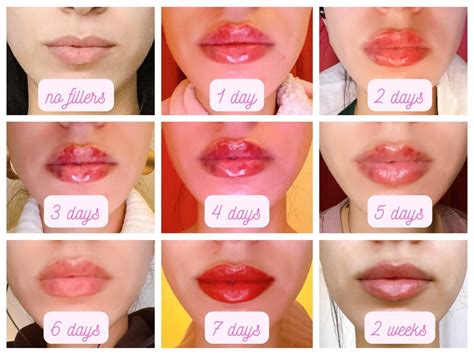
Post-procedure swelling and mild discomfort are common but resolve within days. After a short stay in recovery, you can return home, but you cannot go home alone. It is normal for your lips to go through a period of swelling, bruising, and increased redness as the tissues respond, then begin to settle. Your lips may appear very red, swollen, and bruised, with some tenderness or discomfort. As the day progresses, swelling often increases, and bruising may become more noticeable. You may wake with increased swelling and more visible bruising, which is common after lying down overnight. Your lips may feel firm or tight.
Swelling continues to ease, and bruising starts to settle. Around one week post-treatment, the lips are usually much more settled. At this stage, some individuals may notice their lips appear smaller than in the early post-treatment phase and may consider further lip augmentation. After the initial swelling has reduced, the lips may continue to change as they settle. In many cases, more than one ml of product is required to achieve the desired aesthetic outcome - this is why lip augmentation is often approached as a staged process. Further assessment of symmetry, volume, and overall balance is typically performed once the lips have fully settled. Healing timelines vary, and lips can continue to settle over several weeks.
Follow Aftercare Instructions: Adhere to Dr. [Instructions regarding aftercare, e.g., avoiding certain activities, applying ice, etc.]
Avoid makeup for 4 hours, heavy exercise that day, and heat-based activities such as saunas or spas for one week.
Addressing Specific Concerns and Advanced Techniques
Russian Lip Augmentation vs. Kiss Me Lip Augmentation Technique
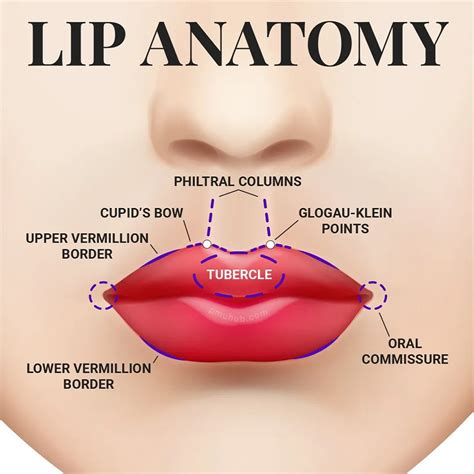
Lip augmentation is a versatile treatment designed to enhance lip volume, refine lip shape, define the Cupid’s Bow, and create balance and harmony with surrounding facial features. Because lip anatomy and tissue characteristics vary from person to person, treatment is tailored to suit individual goals and facial structure. There are several lip augmentation techniques available, including standard lip augmentation, Russian lip augmentation, and the Kiss Me Lip Augmentation Technique.
The Russian lip augmentation technique has gained attention on social media and often involves placing larger volumes of product to expand the lips vertically. In many cases, product migration can be noticed within a few days after treatment. Over time, this migration is particularly noticeable above the upper lip and around the outer edges of the lower lip.
The Kiss Me Lip Enhancement Technique is a method developed and used by Bella Plastic Surgery. The majority of the product is placed via needle, inside the upper lip, with a smaller amount placed centrally in the lower lip. When performed conservatively, this approach can result in a subtle change to the appearance of the lips.
Defining the Lip Border and Cupid’s Bow
Shaping lips is an art form, and definition is a key consideration. Defined lips are created from injections along the white roll or the edge where lips transition to the regular skin. The treatment is performed in rooms.
Lip augmentation may be used to increase overall lip size and improve the definition of the Cupid’s Bow. However, it does not address loss of natural lip pigment. In most cases, where lip enhancement is desired in combination with cosmetic tattooing, lip enhancement treatment is initially recommended. Without adequate lip volume, cosmetic tattoo pigment may extend beyond the natural lip borders.
Non-Surgical Lip Lift
A non-surgical lip lift refers to an approach where product placement within the inner upper lip may influence lip position at rest. In some individuals, lip anatomy, which includes muscle movement, can contribute to increased gum visibility when smiling. Lip augmentation may be discussed as part of a broader treatment assessment, where appropriate. In selected cases, a thin product may be used cautiously to soften the appearance of lines.
Collagen-Stimulating Threads
For some patients, collagen-stimulating threads can be used as an alternative or complement to other lip treatments. Threads may help support the skin around the lips, define the lip border, or enhance overall texture and firmness.
Risks and Considerations
All cosmetic treatments, including lip augmentation, involve some risk. Potential risks associated with lip augmentation are discussed in detail during your consultation with both your cosmetic nurse and the prescribing doctor. Importantly, results vary between individuals.
Disclaimer: All surgical procedures carry inherent risks. The information provided here is general in nature and should not be used as a substitute for an in-person consultation with a qualified specialist. Individual outcomes vary based on anatomy, healing, and adherence to post-operative care.
TGA Regulations on Advertising
On 7 March 2024, the Therapeutic Goods Administration (TGA), Australia’s government authority responsible for assessing, monitoring, and regulating medicines and medical devices, reinforced its regulations on the advertising of cosmetic injectables. TGA reminded doctors that Anti Wrinkle Injections, Dermal Fillers, and Lip Fillers are Schedule 4 Prescription Medicines and therefore are not permitted in the advertising of cosmetic health services. Also prohibited are before/after photographs and prices of such treatments. The TGA has the power to prosecute and fine clinics contravening these regulations.
Dissolving Treatments
For individuals with existing product present in their lips who want to adjust their current lip appearance, dissolving treatment may be recommended before retreatment. Many patients visiting the clinic for lip correction require dissolving treatment. Observing a reduction in product is often observed within 24 to 72 hours. However, multiple dissolving sessions may be necessary, depending on the amount and location of product present. Following product dissolving, redness, swelling, and bruising are common due to localised tissue response. While swelling typically resolves within the first few days, bruising and delayed reactions may persist for longer.
Ideal Candidates for Lip Augmentation
Healthy individuals with thin lips, asymmetry, or age-related volume loss who desire fuller, more defined lips are ideal candidates. Suitability is determined through an in-person consultation, during which factors such as lip anatomy, previous treatment history, skin quality, medical history, healing response, and individual aesthetic preferences are considered.
Why Are Full Lips So Popular?
Full, plump lips are considered beautiful, youthful, and sensual. Lip augmentation is a versatile treatment designed to enhance lip volume, refine lip shape, define the Cupid’s Bow, and create balance and harmony with surrounding facial features.
Key aesthetic goals often sought through lip augmentation include:
- Restoring lost volume: Not everyone is born with naturally full lips, and even those who are may notice their lips becoming thinner or less defined with age.
- Improving proportions: Often, the upper lip is smaller than the lower, and augmentation can help achieve a more balanced look.
- Defining the lip border: With age, the edges of the lips can lose definition and appear softer.
- Refining the Cupid’s Bow: A well-defined Cupid’s Bow-the elegant double curve on the upper lip-is a classic sign of beauty.
- Improving lip shape and smoothness: As we age, changes around the lip corners can cause a flatter or less defined shape.
tags: #lip #augmentation #sydney