Lip enhancement encompasses a range of procedures designed to augment or restore volume to the lips, as well as to smooth vertical lines that appear around the lips and mouth. While surgical options like lip implants are available, cosmetic surgeons are increasingly opting for minimally invasive treatments that yield natural-looking results, often lasting for a year or more. If you are concerned about thin, lined, or asymmetrical lips, cosmetic treatments can effectively address these issues, boosting your confidence in your smile.
Cosmetic surgeons employ various methods to improve lip appearance, from temporary filler injections to surgical lip implants. Among the popular non-surgical choices are hyaluronic acid fillers, such as those from the Juvéderm and Restylane product lines. These fillers offer temporary lip enhancement at a reasonable cost. When administered by an experienced professional, dermal fillers can maintain their effect for 4 to 12 months, delivering soft, natural-looking results. Potential side effects are generally mild and transient, including temporary bruising, swelling, or redness at the injection site.
Several dermal filler brands are available for lip augmentation. Another option is autologous fat injections, also known as fat grafting. This technique utilizes fat harvested from another area of your body as a lip filler. Fat grafting typically involves liposuction on a different body part and can be performed without incisions on the face or lips. It is crucial that fat injections are performed only by a qualified cosmetic surgeon with specialized training in fat transfer procedures.
Lip implants offer a semi-permanent lip enhancement for individuals seeking a more enduring solution with minimal upkeep. Lip enhancement procedures can increase lip volume, resulting in a fuller appearance.
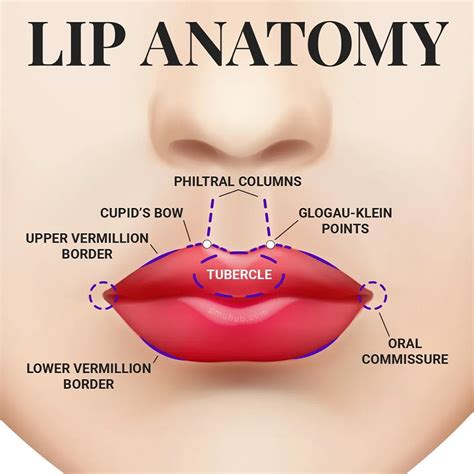
Key Components of Lip Enhancement
Hyaluronic Acid (HA)
Hyaluronic acid (HA) is a naturally occurring substance found within the body. In cosmetic procedures, it is frequently used as a dermal filler to add volume, reduce wrinkles, and enhance facial contours.
Choosing Your Provider
The most critical decision when considering lip enhancement is selecting the right practitioner. Always verify a provider's credentials before agreeing to any treatment. For dermal fillers, opt for a provider with extensive knowledge of facial anatomy, coupled with a surgeon's skill and precision. Even non-surgical procedures demand specific training and expertise to ensure safety and achieve natural-looking outcomes. This includes registered nurses (R.N.s) who specialize in aesthetic treatments.
Beyond Volume: Enhancing Facial Features
Lip fillers offer more than just added volume; they can dramatically enhance your facial features. When expertly administered, fillers can create a lip shape that harmonizes with your unique facial characteristics. The ultimate goal is to achieve harmony, balance, and natural-looking results that complement your individual features. Factors such as facial symmetry, genetic structure, and personal proportions significantly influence lip shape. Whether you desire a subtle refinement or a more pronounced transformation, the correct lip filler shape can make a substantial difference.
Popular Lip Filler Techniques and Shapes
Understanding various lip filler techniques is essential for achieving desired aesthetic outcomes. Here are some of the most sought-after shapes:
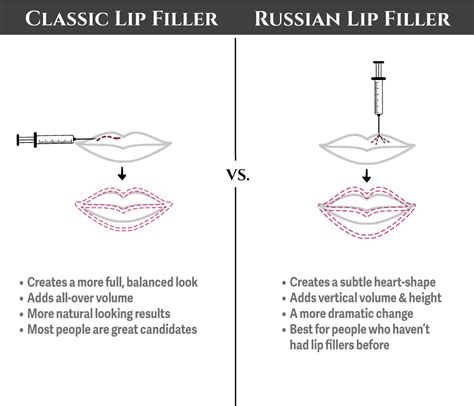
1. The Russian Lip Technique
This technique is renowned for creating a more dramatic, defined, and lifted appearance. It involves vertical injections of filler along the lip border, resulting in fuller lips with a pronounced, almost heart-shaped look that emphasizes the height of the upper lip.
2. The Cupid’s Bow
A classic and elegant lip shape, the Cupid's Bow accentuates the natural arch of the upper lip, highlighting its distinctive “M” shape. Filler is injected into the V-shaped area of the upper lip to enhance this natural curve, yielding subtle yet refined upper lip definition and a balanced, natural look.
3. The Keyhole Pout
Characterized by a small dimple or “keyhole” shape at the center of the upper lip, this look is achieved by injecting filler into the central part of the upper lip, just above the Cupid's bow, to form the distinctive shape.
4. Pillowy Lips
Pillowy lips are defined by a soft, smooth, and full appearance, with the fullness evenly distributed across both lips. Filler is typically placed in both the upper and lower lips, with a focus on the center and along the lip lines to ensure smooth, even fullness, resulting in a soft, pillowy appearance that looks both full and natural.
5. Korean Cherry Lips
This technique aims for a youthful, slightly pouty look with a fuller bottom lip and a subtly enhanced top lip. Filler is primarily injected into the lower lip, adding volume to the center while preserving the natural shape of the upper lip, creating a youthful, balanced lip shape with a soft pout.
Filler is injected into both the upper and lower lips, typically targeting the vermillion border and the body of the lips to enhance fullness and definition, resulting in a fuller, more youthful appearance with smooth, soft volume.
The Lip Flip
While not technically a filler technique, the lip flip enhances the upper lip’s appearance by injecting Botox into the upper lip's border (vermillion border) to create a subtle outward flip.
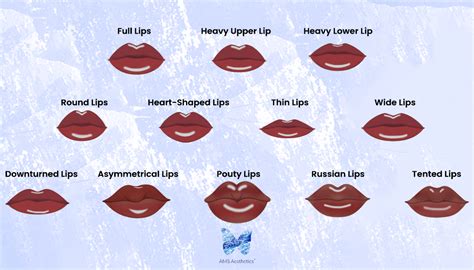
Choosing the Right Lip Filler Shape for You
Selecting the appropriate lip filler shape is crucial for achieving your desired aesthetic while ensuring the results complement your natural features. Consider the following steps:
- Assess Your Natural Lip Shape: Before deciding on a lip filler shape, evaluating your natural lip structure is paramount.
- Define Your Aesthetic Goals: Understand what you wish to achieve with lip fillers to guide your choice.
- Consider Your Facial Features: Different lip shapes require varying levels of maintenance.
- Evaluate Your Lifestyle and Maintenance Preferences: A consultation with an experienced practitioner is vital. They can offer personalized recommendations based on your lips’ anatomy, facial features, and aesthetic objectives.
- Consult with a Professional: Many clinics provide digital simulations of your desired lip shape.
- Explore Digital Simulations: By following these steps, you can make an informed decision about the best lip filler shape for your unique facial features and aesthetic goals.
Understanding Lip Fillers: Key Points
Lip fillers are a popular non-surgical option for enhancing the volume, shape, and symmetry of the lips. They have gained popularity due to being a quick, in-office procedure with minimal pain and little to no downtime.
Hyaluronic Acid (HA) Fillers
Hyaluronic Acid (HA) is the most common filler ingredient. It attracts and retains moisture, thereby adding volume and hydration to the lips. HA fillers are reversible using an enzyme called hyaluronidase, offering an added layer of safety.
Procedure Details
A typical lip filler session lasts about 15-30 minutes. Following a consultation to discuss goals, a numbing cream is applied to minimize discomfort.
Various Lip Filler Shapes
When considering lip fillers, it's essential to understand the diverse shapes that can be achieved:
- Classic Lips: Enhances the natural contour of the lips, providing subtle volume and definition. Ideal for those seeking a subtle enhancement that makes lips appear fuller without adding excessive volume.
- Cupid’s Bow: Focuses on defining the Cupid’s bow, the double curve of the upper lip.
- Full Pout: Provides significant volume and fullness to both the upper and lower lips.
- Keyhole Pout: Creates a small gap in the center of the lips, resembling a keyhole.
- Pillowy Lips: Focuses on evenly adding volume to both the upper and lower lips, creating a rounder, fuller look.
- Heavy Lower Lip: Adds more volume to the lower lip while maintaining a natural look for the upper lip.
- Downturned Lips: Adds volume to the upper lip and sides, creating a slightly downward turn.
Evolution and Trends in Lip Fillers
Lip fillers have undergone significant evolution, transforming from basic enhancements to highly customized and intricate procedures.
Early Trends (2000s)
The early 2000s saw the introduction of hyaluronic acid fillers like Restylane and Juvederm.
Shift Towards Natural Looks
During a subsequent period, there was a notable shift towards achieving a natural appearance with lip fillers.
Celebrity Influence and Increased Demand
The influence of celebrities, particularly Kylie Jenner, led to a surge in demand for fuller, more dramatic lips.
Emergence of New Techniques
New injection techniques, such as the Russian lip technique and the lip flip, emerged during this time.
Current Trends: Personalization and Naturalism
The latest trends emphasize personalized aesthetics, with a strong focus on achieving natural-looking results that enhance individual features without appearing artificial. This includes techniques like Rubina Lips, which focuses on adding volume predominantly to the lower lip for a fuller, more sensual look, and Minimalist Enhancements, favoring very subtle adjustments using micro-doses of fillers to fine-tune lip shape and volume. Hybrid Techniques combine different methods and filler types for a custom shape that complements individual facial features.
Debunking Lip Filler Myths and Misconceptions
Numerous myths and misconceptions surrounding lip fillers can lead to unnecessary apprehension or unrealistic expectations. Here are some facts:
- Myth: Lip fillers always look unnatural.
Fact: When performed correctly by a skilled professional, lip fillers can provide natural-looking results. The aim is to enhance your natural lip shape and volume, not to create an overfilled or artificial appearance. - Myth: Lip fillers are permanent.
Fact: Most commonly used fillers, such as hyaluronic acid, are gradually absorbed by the body. Results typically last between 6 to 12 months, depending on the filler type, individual metabolism, and lifestyle. - Myth: Lip filler injections are extremely painful.
Fact: Most patients report minimal discomfort. Numbing cream is usually applied before injections, and filler products often contain lidocaine, a local anesthetic, to further reduce pain. - Myth: Lip fillers are only for young people.
Fact: Lip fillers can benefit individuals of all ages. Younger clients may seek them for enhanced volume and shape, while older clients use them to address age-related volume loss and smooth fine lines. - Myth: Lip fillers are unsafe.
Fact: Lip fillers are safe when administered by a qualified and experienced practitioner. Hyaluronic acid fillers are generally biocompatible and reversible. - Myth: All lip fillers are the same.
Fact: There are various types of lip fillers, each designed for specific purposes. For instance, Juvederm and Restylane are popular HA fillers with different formulations for varying volume levels and smoothness. - Myth: You cannot eat or drink normally after lip fillers.
Fact: After the initial 24-48 hours post-treatment, during which excessive lip movement should be avoided, normal eating and drinking can be resumed. - Myth: Lip fillers permanently stretch the lips.
Fact: Once the body absorbs the filler, your lips will return to their natural shape and size. - Myth: There’s no way to fix bad lip filler results.
Fact: Hyaluronic acid fillers can typically be dissolved with an enzyme called hyaluronidase if you are unhappy with the results or experience complications. - Myth: Only certain people can get lip fillers.
Fact: People with all types of lips get fillers for various reasons.

Optimizing Your Lip Filler Experience
Choosing the right lip filler shape can transform your appearance, enhancing your natural beauty and boosting confidence. At SDBotox, we are dedicated to helping you achieve the perfect pout tailored to your unique features and aesthetic goals. Discover the benefits of our high-quality dermal filler services and Juvederm services to achieve your desired look. Our skilled practitioners utilize the latest techniques to provide natural-looking, personalized enhancements.
The Importance of Volume and Technique
While many associate lip fillers solely with increased size, lip injections are highly customizable and can be used to create various lip filler shapes or improve lip symmetry. Natural lips vary in size and shape; lip augmentation primarily enhances this natural form but can also add volume where desired.
Understanding Volume: 0.5ml vs. 1ml vs. 2ml
- 0.5ml (Mini-Plump): Ideal for subtle hydration, smoothing fine lines, and correcting minor asymmetry without drastically altering the lower face. It’s perfect for the “your lips but better” aesthetic, acting like a permanent, deeply hydrating lip gloss.
- 1ml (Standard Foundation): For naturally thin lips, 1ml provides essential structural support rather than massive volume. It’s often the starting point for creating a crisper vermillion border and slightly more visible pink tissue without excessive outward projection.
- 2ml: Injecting 2ml in a single session is generally discouraged by top injectors due to the risk of overfilling and filler migration. Building volume in stages, with 1ml initially followed by another session after 3-4 months, is the safest approach for significant volume enhancement.
Lip Shapes Defined by Volume and Technique
- Classic: Offers subtle, natural results.
- Full: Provides more volume while maintaining a natural look.
- Thin Outer: Keeps the outer corners thin while maximizing volume toward the center.
- Double Lobe Upper/Lower: Voluminous, preserving the slight lip crease in the center.
- Triple Lobe Upper: Fills all three tubercles of the top lip for dramatically voluminous upper lip with three planes of volume.
- Shelf: Ideal for those with thin lips and small mouths.
- Gull Wing: Emphasizes the points of the Cupid’s bow, creating an angular shape resembling an M.
Filler Longevity and Limitations
Hyaluronic acid fillers are not permanent and typically provide results lasting up to 1 year. It's important to note that lip filler cannot significantly alter the fundamental shape of your lips; it enhances the existing structure.
Consultation and Injector Selection
When deciding on a lip shape, consider your face shape and other facial features. Sharing photos with your injector and reviewing their before-and-after portfolio can be helpful. Ultimately, choosing an experienced, skilled injector and trusting their recommendations is key to achieving the desired results.
The Recovery Journey: What to Expect
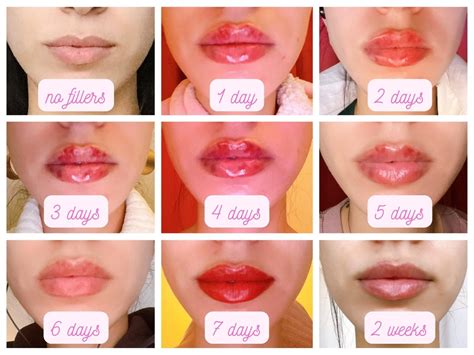
The healing process requires patience. It's important to understand that immediately after injections, your lips are experiencing localized trauma, filler placement, and fluid retention. Never judge your final results before 14 days, as initial size is heavily influenced by trauma and edema (swelling).
Pre-Care to Minimize Bruising
Great results begin 48 hours before the procedure. To minimize bruising and swelling, avoid blood thinners like Aspirin, Ibuprofen, Fish Oil, and Vitamin E. Also, refrain from alcohol, as it causes vasodilation, increasing bleeding. Consider consuming fresh pineapple or Bromelain supplements, which are scientifically proven to help prevent and reduce bruising. Topical or oral Arnica can also significantly speed up the healing of damaged capillaries.
Days 1 to 3: Peak Swelling and Edema
Immediately after injections, your lips will feel tender and noticeably swollen. Small red dots (petechiae) at the needle entry points are normal. By Day 2 and Day 3, swelling peaks, potentially making lips appear uneven or larger than desired. This is an inflammatory response (edema), not the final filler volume. Applying cold compresses can help reduce swelling.
Sleeping Position
During the critical first nights, your sleeping position directly impacts results. Pressure on fresh, moldable filler can cause it to shift or create asymmetry.
Safety and Reversibility
Mild bruising is normal, but extreme pain or white skin blanching are signs of Vascular Occlusion, a medical emergency. Hyaluronic Acid (HA) fillers are 100% reversible using Hyaluronidase if you are unhappy with the results or experience complications. Lip filler migration, often referred to as the “filler mustache,” can occur if the filler moves beyond the lip border.