Winter's biting temperatures and cold winds can quickly lead to chapped lips, causing irritation and frustration. Understanding how to properly care for this delicate skin is essential for quick and effective healing. This guide provides a comprehensive approach to exfoliating and maintaining healthy, soft lips.
Understanding Chapped Lips and the Role of Exfoliation
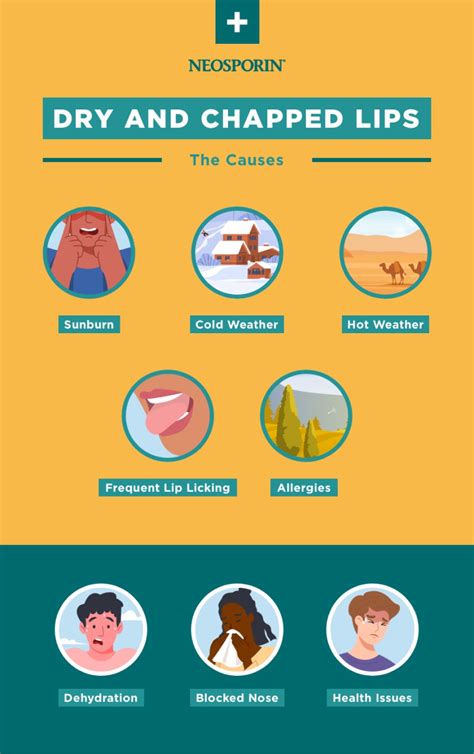
When your lips are chapped, they are covered in a layer of dry, dead skin. Exfoliating your lips gently removes these dead skin cells, promoting healing and restoring softness. The skin on your lips is thinner than elsewhere on the body and has a weaker skin barrier, making it more susceptible to dryness and environmental damage from factors like wind, sun, and extreme temperatures. Additionally, lips have a low capacity for retaining moisture, which further contributes to their vulnerability.
Exfoliation helps to eliminate dry, flaking skin that builds up, immediately restoring some shine, softness, and smoothness. Properly exfoliated lips are also better able to absorb moisturizing agents like lip balm.
Types of Lip Exfoliation
There are two primary methods for exfoliating the lips:
Mechanical Exfoliation
This method involves physically removing dead skin cells using abrasive particles or tools. It's a direct way to slough off dry, flaky skin.
Chemical Exfoliation
Chemical exfoliants use ingredients like alpha and beta hydroxy acids to dissolve dead skin cells. This method is generally gentler but may not be suitable for everyone, especially those with sensitive skin.
DIY Lip Exfoliation: Ingredients and Methods
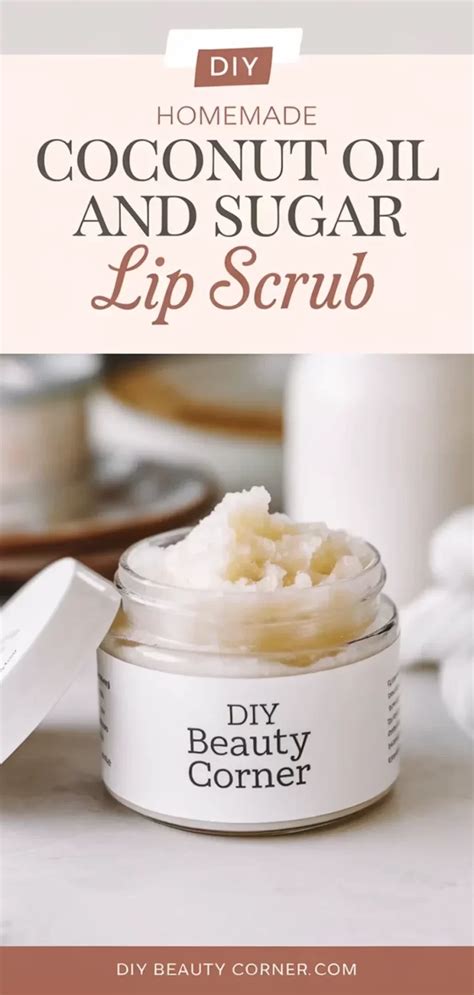
Creating your own lip exfoliator at home is a simple and effective way to achieve smooth lips. The basic principle involves combining an abrasive ingredient with an emollient to ensure the process is not drying.
Common DIY Ingredients:
- Exfoliants: Fine-granule sugar (white or brown), coffee grounds, coarse oats, cinnamon.
- Emollients (Moisturizers): Honey (which also has natural properties), jojoba oil, coconut oil, olive oil, shea butter, petroleum jelly, vitamin E oil.
DIY Recipe and Application:
- Pour a small amount of your chosen exfoliating ingredient (about a tablespoon) into a small dish.
- Add an emollient (like honey or oil) to coat the exfoliating ingredient. For a scrub, aim for a consistency where the exfoliants are suspended in the emollient.
- Use a cotton swab, a soft toothbrush, or your fingertip to apply the mixture to your lips.
- Gently rub the mixture over your lips in small circles for about 30 seconds. Avoid scrubbing too hard, especially if using a brush.
- Wipe off any excess exfoliator with a clean tissue or soft cloth.
- Follow up immediately with a moisturizing lip balm or healing balm.
Note: If using a toothbrush or towel as an applicator, dip it directly into the emollient before mixing with the exfoliants to ensure ample coverage.
Choosing Store-Bought Lip Exfoliators
If DIY is not your preference, numerous lip scrub products are available. When selecting a product, look for those that not only exfoliate but also contain beneficial ingredients for lip repair and moisture retention.
Beneficial Ingredients to Look For:
- Moisture Retention: Ceramides, hyaluronic acid, fatty acids, glycerin, aloe.
- Emollients: Shea butter, hemp seed oil, castor seed oil, mineral oil, petrolatum, white petroleum jelly.
Ingredients to Avoid:
Dermatologists recommend avoiding potentially irritating ingredients that can cause burning, stinging, or tingling sensations. These include:
- Camphor
- Cinnamon
- Eucalyptus
- Menthol
- Mint
- Peppermint
- Fragrances
- Octinoxate
- Oxybenzone
Fragrance-free and hypoallergenic products are generally a safer choice.
Proper Exfoliation Techniques and Precautions
Gentleness is key when exfoliating the delicate skin of your lips. Over-exfoliation can lead to irritation, redness, and increased sensitivity.
Key Exfoliation Tips:
- Be Gentle: Always use light, short strokes and avoid excessive pressure, whether using your fingers, a brush, or a sponge.
- Avoid Over-Exfoliation: Do not exfoliate more than twice a week. Start with once a week to gauge your lips' reaction. If you experience irritation, reduce frequency or stop until your lips heal.
- Soften Lips First: Slightly wet your lips with water before applying the exfoliator to soften the skin and prevent abrasive friction.
- Avoid Exfoliating Wounds: Do not exfoliate if you have open cuts, sores, or sunburned or raw lips. Allow them to heal first.
- Listen to Your Skin: If you experience any burning, stinging, or tingling, stop using the product immediately.

Post-Exfoliation Care
The work doesn't end after exfoliation. Proper aftercare is crucial for maintaining moisture and ensuring your lips remain soft and supple.
Essential Aftercare Steps:
- Moisturize Immediately: Apply a non-irritating, moisturizing lip balm or healing balm right after exfoliating. Ingredients like petrolatum, shea butter, and natural oils can help seal in moisture and soothe the skin.
- Use SPF Protection: When spending time outdoors, even in winter, use a lip balm with an SPF of 30 or higher to protect your lips from sun damage.
- Stay Hydrated: Drinking plenty of water throughout the day helps keep your skin, including your lips, hydrated from the inside out.
- Avoid Bad Habits: Refrain from licking, biting, or picking at your lips, as these actions can exacerbate dryness and irritation. Consciously stop yourself if you catch yourself doing so and apply balm instead.
- Protect from Environment: Shield your lips from harsh winds and cold temperatures with a scarf or balm when outdoors.
Benefits of Lip Exfoliation
Regular and proper lip exfoliation offers several advantages:
- Removal of dry, flaky skin cells.
- Improved lip texture, leading to smoother lips.
- Enhanced absorption of moisturizing lip balms and treatments.
- Restoration of lip suppleness and softness.
- Neutralization of discoloration and reduction of dark spots over time.
- A better base for lipstick application, ensuring more even color.