Lipotropic injections are supplements that people use for fat loss. These aim to complement other aspects of a weight loss regimen, including exercise and a low-calorie diet. Lipotropics are nutrients, vitamins, and other ingredients that may help boost your metabolism and slow down or remove fat deposits in your liver.
While many clinics boast about their possible benefits for weight loss, it's important to note that very little research has examined the effects of lipotropic injections on weight loss. As such, it’s important to speak with a healthcare professional before trying lipotropic injections.
Lipotropic injections contain vitamins and other substances. Some clinics offer them for weight loss. However, research has not confirmed they are safe or effective for this purpose. Lipotropes in lipotropic injections include a mix of different vitamins, minerals, and amino acids that some people report help them lose weight and fat. Lipotropes are substances that promote the removal of fat from the liver and reduce the production of fat. They are different from liposuction. In combination with a healthy diet and regular exercise, lipotropic injections are purported to help people lose fat more easily.
Lipotropic injections are often marketed by weight loss clinics as treatments that promote fat burning. However, scientific proof is minimal, and they are not approved by the FDA for weight loss purposes. Each clinic has its own specific type of injection, and the components may differ from clinic to clinic.
Understanding Lipotropic Injections
Lipotropic injections are supplement injections used for weight loss. In fact, a lipotropic nutrient is any substance that affects fat metabolism in the body. Lipotropic injections include a cocktail of weight-loss promoting agents, such as vitamin B12. Lipotropic injections are not meant to be a substitute for dieting and exercise, but they can be a complementary approach to facilitate weight loss.
Lipotropic injections are made up of a combination of several weight-loss supporting nutrients. Vitamin B12 is the most common of these nutrients, but other essential nutrients are used as well. For example, other B vitamins, carnitine, choline, and inositol are also used in lipotropic injections. Medication is one piece of the picture. The key to lipotropic injections is that they contain ingredients known to promote energy metabolism.
Common Ingredients in Lipotropic Injections
Some of the more common lipotropes in lipotropic injections include:
- Vitamin B-12: Essential for DNA synthesis, fatty acid metabolism, and amino acid metabolism. It naturally boosts energy, metabolic processes, and overall well-being.
- Methionine: An essential amino acid that supports the liver in processing fatty acids, lowers cholesterol, and prevents excess fat buildup. Methionine can also enhance skin tone, elasticity, hair, and nail appearance.
- Inositol: A B-vitamin that contributes to energy generation and metabolism. It plays a critical role in insulin and glucose metabolism pathways.
- Choline: A B-vitamin that aids in fat metabolism and cholesterol reduction. It is also associated with the utilization of fats and cholesterol in the body and is essential for brain development. Research has also linked choline deficiencies to nonalcoholic fatty liver disease.
- Vitamin B6: Plays a vital role in metabolism by breaking down fats and carbohydrates for energy and acts as a mild diuretic. B6 is involved in more bodily functions than any other nutrient, acting as a coenzyme in the breakdown and utilization of carbohydrates, fats, and proteins.
- Vitamin B Complexes: B1, B2, and B6 vitamins can all be found in lipotropic injections.
- Carnitine: This nutrient acts as a shuttle that moves long-chain fatty acids into a cellular organ called mitochondria; the mitochondria then produce energy by oxidizing (“burning”) the fat.
While the substances in the injections may play important roles in fat metabolism, researchers are still unclear whether higher doses are beneficial for weight or fat loss. Lipotropic injections may not be effective for weight or fat reduction.
How Lipotropic Injections Work
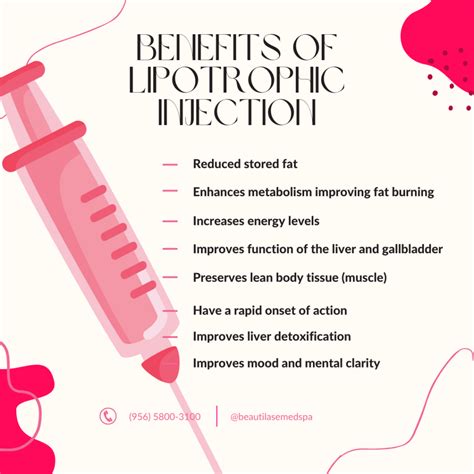
These injections work by introducing lipotropic compounds into the body, which can support various bodily functions. The lipotropic solution works harder than a B-12 injection to destroy and remove fat from the body through excretion. Because they have several essential nutrients, lipotropic injections have several health benefits. The injections can reduce stored fat, while boosting metabolism rates and improving mental clarity.
On a biological level, the vitamins and nutrients found in lipotropic injections are absorbed quickly. However, it may take a while to notice their weight-loss effects. Whether you are following a diet and exercising will affect how long it takes for your lipotropic injections to work. Lipotropic injections don’t necessarily work to suppress appetite. Rather, they enhance the energy metabolism processes that are needed when you are dieting and exercising.
Administration and Dosage
Lipotropic injections are generally administered in MedSpas and weight loss clinics. Depending on the weight loss regimen, you would receive the injections on a weekly or twice-weekly basis. You may receive the shots in the arm or other areas containing more subcutaneous fatty tissues, such as the thigh, abdomen, or buttocks.
There’s no official guidance on the frequency of lipotropic injections for weight loss. A practitioner will likely recommend weekly shots for several weeks or until you reach your weight loss goal. If you have a vitamin B12 deficiency, a doctor may prescribe B12 injections every other day for 2 weeks until your symptoms improve. Some clinics may offer injection packages, or they may include injection costs in the price of a weight-loss program.
The dosages for lipotropic injections, like other supplements, are not standardized by the FDA. Also, due to the lack of research on lipotropic injections, few dosages are available for reference. The exact dosage of your injections may depend on the ingredients and the clinic where you’re receiving treatment. The dosage depends on the ingredients in the injection. Also, each clinic may follow a different protocol and injection schedule. In some clinics, people receive lipotropic injections once weekly, whereas other clinics suggest more frequent injections. There is no scientific data to support any dosage claims made by weight-loss clinics.
Potential Benefits and Efficacy
Lipotropic injections may help promote fat loss, but limited research exists on their efficacy. Practitioners should note that they only work when combined with a healthy lifestyle that promotes weight loss. While the shots aren’t necessarily dangerous, there’s no guarantee that they’ll help you lose weight, either.
For instance, the National Institutes of Health (NIH) found that carnitine supplementation may play a small role in weight loss when combined with exercise and eating a balanced diet. Vitamin B12 deficiency is also associated with higher body weight and fat mass, according to a 2023 study. Nutritional deficiencies may also cause low energy, but supplementation may help increase your energy and ability to exercise, further enhancing your motivation to lose weight. That said, very limited research has examined the effects of lipotropic injections on weight loss. If you do lose some weight while receiving lipotropic injections, this is likely more due to other factors in your weight loss program - like exercise and diet - than to the shots alone.
Some people claim you may lose up to 4 lb in a week. However, no research has determined how much weight you can lose in a week with lipotropic injections. There have not been many studies done regarding how much weight you can lose with lipotropic injections. There are many factors that influence how much weight you can lose when taking lipotropic injections including your diet and what your activity level and exercise habits are. The efficiency of lipotropic injections, diet, and exercise are all linked.
Although research into lipotropic injections is limited, plant-based foods containing lipotropes may have benefits. A 2011 study investigated the potential lipotropic effects of certain plant products in rats and found that choline, betaine, myoinositol, methionine, carnitine, magnesium, niacin, pantothenate, and folates may have weight loss benefits. Other substances in plant foods - such as fatty acids, fiber, and flavonoids - may also have lipotropic effects. However, this study examined only the effects of lipotropic substances in the rats’ diet, not lipotropic injections, and has limitations as an animal study.
Possible Side Effects and Risks
Speak with a practitioner about the possible risks and side effects of lipotropic injections before receiving them. Limited research has examined the possible side effects of injecting lipotropic agents. However, a 2021 case report found that choline injections caused severe skin inflammation and hard nodules in the areas of administration.
The FDA has also warned against using non-FDA-approved lipolysis injections, which work by breaking down fat cells in the targeted area. Some side effects of using non-FDA-approved injections may include pain, scars, infection, skin irregularities, cysts, and knots. Speak with a doctor if you experience any of these symptoms. They may recommend stopping lipotropics or switching the ingredients you are using.
Like any new supplement, there may be side effects that occur with lipotropic injections. Because everyone’s medical history is different, you should talk to your physician before beginning any new weight loss supplements or injections. Although side effects to the injections are rare, and they are generally well tolerated, it is possible that some people can experience mild adverse effects. Lipotropic injection side effects that can occur may include redness, swelling, and infection at the injection site. Allergic reactions (itching, hives, shortness of breath, wheezing, swelling of the tongue, throat, or mouth) although rare, can also occur.
If a lipotropic injection contains semaglutide or tirzepatide, do not take it if you have a personal or family history of medullary thyroid cancer (MTC). You should also steer clear of both of these medications if you have multiple endocrine neoplasia type 2 (MEN 2).
Some people try lipotropic injections to aid fat loss and lose weight. Individual ingredients include some vitamins, minerals, and amino acids that may be involved in fat metabolism. The purpose of these injections is to speed up the metabolism of fat. However, researchers have not confirmed the effectiveness of lipotropic injections. Most current data on the success of lipotropic injections comes from anecdotal evidence. Additionally, lipotropic injections should not be used as a substitute for healthful habits.
The side effects you may experience from a lipotropic injection vary from one injection to the next. That’s because there is no set formula for what is in these injections. Different doctors and clinics use different recipes when making their injections. Some are made from a mix of B vitamins, minerals, and amino acids. Others may contain prescription weight loss medications.
Depending on what is in the injections you receive, you could experience the following: Allergic reaction, anxiety, constipation, diarrhea, fatigue, headache, increased heart rate, insomnia, nausea, vomiting. It is of note that anxiety, an increased heart rate, and insomnia typically occur only after receiving injections that contain medications like phentermine. Mild GI symptoms are common with weight loss drugs but typically ease as your body gets used to the medication.
Be aware that weight loss medications are medications that can treat weight loss but whose original use was for treating patients with type 2 diabetes. If you are diabetic, these drugs can cause an unsafe drop in blood sugar. Talk to your doctor or endocrinologist about safe ways to alter your current medications to safely incorporate these injections into your regimen. Note too that lipotropic injections without prescription medications aren’t regulated by the FDA. Always make sure you know what you’re getting and that your injections come from a trusted source.
Lipotropic injections can cause diarrhea. The issue is usually temporary and not severe enough to become problematic. You may also notice that you urinate a bit more after a lipotropic injection. When your body gets more vitamins and minerals than it can use, it expels them through your urine. This can put a mild strain on your kidneys if you’re not properly hydrated, so drink lots of water when you get your injections.
Studies dating all the way back to the 1950s suggest that there may be a link between vitamin B12 and acne. These studies are certainly interesting, but they have yet to conclusively prove a link between large amounts of vitamin B12 and breakouts. If you are concerned about the possible connection, however, opt for a shot that contains other B vitamins instead, such as vitamin B6. You can also choose to take a prescription weight loss injection alone without any additional vitamins and minerals.
Cost of Lipotropic Injections
There’s no clear-cut answer to the costs of lipotropic injections. These may vary based on the types of ingredients used and your provider. Anecdotal online reviews estimate the shots range from $35 to $75 each. Weight-loss clinics set the prices of lipotropic injections, so costs will vary from one clinic to the next. One factor that may influence the cost is the components included in the lipotropic injection. Vitamin B12 injections alone may be less costly than a combination of ingredients.
If you get your shots from a medical or weight loss spa, they may be part of a weight loss package. Other injections may be more affordable on their own. Some clinics offer injection packages, or they may include injection costs in the price of a weight-loss program.
Insurance may cover lipotropics, but only if you can prove you’re using them to treat a medical condition. This can be tricky, as most lipotropics are administered at nontraditional medical facilities. Your provider may not take insurance, so you’d need to file with your insurance company after you’ve paid for the shots up front. If you don’t have insurance, consider speaking with the provider about financing options and discounts for self-payers.
Alternative Weight Loss Strategies
Healthcare organizations and researchers have identified natural, effective, and sustainable weight loss methods. The Centers for Disease Control and Prevention (CDC) recommends setting a weekly weight loss target of 1 to 2 pounds (lb). Some ways to help you achieve this may include:
- Reducing your daily calorie intake by 500 calories
- Eating a balanced diet of whole grains, lean proteins, low-fat dairy, fruits, and vegetables
- Limiting added sugars, sodium, saturated and trans fats, and alcohol
- Getting at least 150 minutes weekly of moderate-intensity aerobic exercise
- Strength training for at least 2 days weekly
- Sleeping for 7 to 9 hours each night
- Regularly checking in with a doctor, personal trainer, or registered dietitian
No research has examined the effects of weight management after stopping lipotropic injections. However, the CDC suggests you may prevent weight gain by exercising regularly, eating a balanced diet, and maintaining eating habits.
Achieving sustainable weight loss: top 3 tips from a dietitian
Frequently Asked Questions
How much weight can I lose in a week with lipotropic injections?
Some people claim you may lose up to 4 lb in a week. However, no research has determined how much weight you can lose in a week with lipotropic injections.
Is Ozempic a lipotropic?
No, Ozempic is not a lipotropic. Ozempic is the brand name for semaglutide, a drug that helps people with diabetes manage their blood sugar levels.
Do you gain weight back after stopping lipotropic injections?
No research has examined the effects of weight management after stopping lipotropic injections. However, the CDC suggests you may prevent weight gain by exercising regularly, eating a balanced diet, and maintaining eating habits.
Who Should Not Take Lipotropic Injections?
If a lipotropic injection contains semaglutide or tirzepatide, do not take it if you have a personal or family history of medullary thyroid cancer (MTC). You should also steer clear of both of these medications if you have multiple endocrine neoplasia type 2 (MEN 2).
tags: #lipo #extreme #injections