Discovering an unexpected lump under the skin on your forearm can be alarming, leading to immediate concerns about potential health issues. However, medical evidence indicates that the vast majority of such lumps are benign, meaning they are not cancerous and do not pose significant health risks. Understanding the difference between normal tissue variations and concerning changes is crucial. Benign lumps, such as cysts, lipomas, and dermatofibromas, account for the majority of skin growths. In contrast, concerning lumps are often rock-hard, fixed in place, and may grow rapidly.
Common Causes of Benign Forearm Lumps
Hard lumps under the skin can develop through various biological processes, often representing normal responses to minor injuries, hormonal fluctuations, or genetic predispositions. Your skin and underlying tissues continually undergo cellular renewal, and sometimes normal processes can lead to the formation of small pockets or growths.
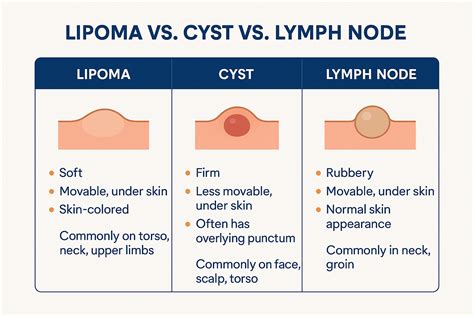
Cysts
Cysts are small, flesh-colored sacs that form beneath the skin. They are typically filled with keratin, a soft, cheese-like protein. These slow-growing bumps often develop when a hair follicle or oil gland becomes blocked or damaged. While most skin cysts are benign and do not require treatment unless they cause pain, leakage, or cosmetic concern, it is advisable to have a doctor examine them to rule out more serious conditions, especially if they become red, painful, or swollen.
Epidermoid cysts are a common type, occurring twice as frequently in males and generally not developing before puberty. Sebaceous cysts arise from the sebaceous glands and may present with a small opening on the skin's surface.
Lipomas
Lipomas are slow-growing, fatty lumps that typically form between the skin and muscle layer, just below the surface. They feel soft, doughy, or rubbery to the touch and are usually movable with slight finger pressure. Lipomas commonly appear on the neck, shoulders, back, abdomen, arms, and thighs. They are most prevalent in adults between 40 and 60 years of age, although they can occur at any age. While lipomas are not cancerous and generally harmless, they can sometimes become painful if they grow and press on nearby nerves or if they contain numerous blood vessels. In some cases, lipomas may be a symptom of an underlying genetic condition, such as Gardner's syndrome.
Dermatofibromas
A dermatofibroma is a small, firm, reddish-brown bump that commonly appears on the legs but can occur elsewhere. It contains nerves and blood vessels, which means it can bleed if damaged, for instance, during shaving. The exact cause is unclear, but they may develop after a minor injury, such as an insect bite. Dermatofibromas are harmless, though they can occasionally itch or hurt. They are more common in females. While they do not disappear on their own, a doctor can treat them if they cause discomfort.
Ganglion Cysts
Ganglion cysts are small, round, fluid-filled lumps that grow just under the skin's surface, commonly appearing on the hands or wrists, but can also occur in the forearm near joints. These cysts are attached by a small stalk and may feel movable. They are typically harmless and tend to appear most often in individuals between 15 and 40 years of age. Ganglion cysts can increase in size and may cause pain if they put pressure on a nearby joint or nerve.
Angiolipomas
An angiolipoma is a specific type of lipoma characterized by the presence of blood vessels within the fatty tissue, which can make them painful. They often appear in multiple locations or in clusters within the same area. While most lipomas are painless, angiolipomas can cause discomfort. They typically develop on the forearms, upper arms, trunk, or legs, measuring between one and four centimeters in diameter. Angiolipomas are less common than standard lipomas, accounting for only 5% to 17% of all lipomas. Differentiating them from liposarcoma (a malignant soft tissue cancer) may require a biopsy or imaging.
Other Benign Growths
Other benign growths, such as nodules and other types of benign tumors, can also appear on the forearm. Their appearance can vary, and a medical professional may be needed to determine their exact nature.
Less Common Causes and Conditions Requiring Attention
While most lumps are benign, certain types may require medical treatment, and some can indicate more serious underlying conditions.
Folliculitis and Pseudofolliculitis Barbae
Folliculitis occurs when bacteria infect hair follicles, leading to small, red bumps or pimples, often accompanied by itching or tenderness. Pseudofolliculitis barbae is an inflammatory response to shaving, where short hairs become trapped in the skin, causing breakouts and potential infection. It is more common in men. Treatment often involves washing with antibacterial soap, and a doctor may prescribe antibiotics.
Hives (Urticaria)
Hives are itchy, swollen welts that can be triggered by allergies, infections, stress, or other illnesses. They vary in size and can merge. While they often fade within a day, new ones can appear. Avoiding triggers, using cool compresses, and taking antihistamines or steroids can help manage mild cases.
Atopic dermatitis, or eczema, can sometimes cause small, itchy bumps that may ooze fluid. This chronic condition is thought to have a genetic component and is linked to allergies and asthma. Treatment involves creams, pills, and shots to reduce inflammation, along with diligent skin moisturization and avoidance of triggers.
Warts
Warts are caused by the human papillomavirus (HPV) and can appear on various parts of the body. They can spread through touch. While some warts resolve on their own, treatment can prevent their spread. Over-the-counter remedies are available, but medical attention is advised for warts that are painful, spreading, or located on sensitive areas.
Keratosis Pilaris
Keratosis pilaris results from keratin plugging hair follicles, leading to small, pointed pimples that feel like sandpaper. These bumps, usually on the upper arms, buttocks, and thighs, are typically white or red, may itch, but are not painful. While common and often inherited, it usually resolves with age. Treatment is not necessary, but skin creams, warm baths, and exfoliation may offer relief.
Cherry Hemangiomas
Cherry hemangiomas are tiny, bright red spots or bumps that are usually harmless. They may become more numerous with age. If a cherry hemangioma turns dark brown or black, it should be examined by a doctor to rule out skin cancer. Treatment is generally not required unless they become irritated or bleed, or if cosmetic removal is desired.
Seborrheic Keratosis
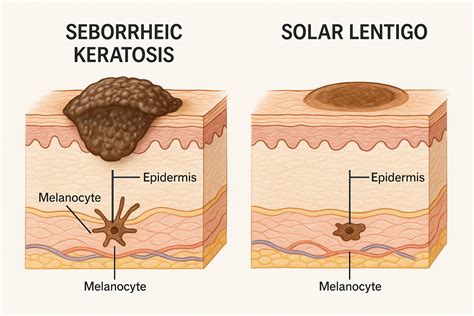
Seborrheic keratoses are thick, rough bumps that can appear waxy or scaly, often looking as if they are pasted onto the skin. They can occur anywhere and may grow to over an inch in diameter. While some may itch, most are painless and do not require treatment. If a seborrheic keratosis resembles skin cancer, a doctor may remove it for safety.
Swollen Lymph Nodes
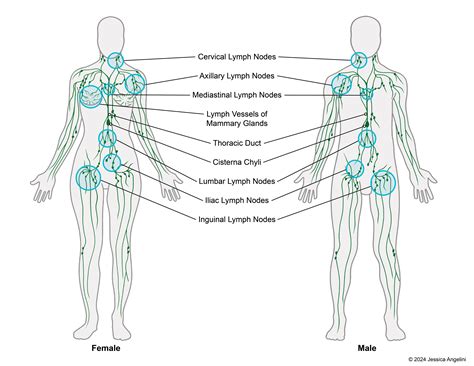
Swollen lymph nodes, small glands in the neck, armpits, or groin, are part of the immune system. Swelling indicates the body is fighting an infection. They typically reduce in size as recovery progresses. However, persistent swelling (over 2 weeks), hardness, rapid growth, proximity to the collarbone, or redness over the node warrants medical evaluation, especially if accompanied by unexplained weight loss, night sweats, fever, or fatigue, as these could be signs of cancer.
Skin Abscess
A skin abscess is a pus-filled lump, often caused by bacterial infections. Treatment typically involves drainage of the pus and antibiotics.
Hernia
A hernia occurs when an organ or tissue pushes through a weak spot in the surrounding muscle or connective tissue. This can create a visible lump, particularly in the groin or abdominal area, but potential hernias in the forearm region should also be evaluated.
When to Seek Medical Attention
While most lumps under the skin are benign, certain characteristics warrant prompt medical evaluation. It is advisable to consult a healthcare professional, such as a dermatologist, if you notice any of the following:
- Hard Texture: Lumps that feel rock-hard, like a stone under the skin.
- Immobility: Lumps that do not move when you try to manipulate them, indicating they may be fixed to underlying tissues.
- Rapid Growth: Lumps that grow noticeably over a short period, such as days or weeks.
- Large Size: Lumps that are larger than 2 inches (approximately 5 centimeters) in diameter.
- Changes in Appearance: Moles that change in size, shape, or color, or develop unusual features like uneven borders, multiple colors, or a scaly surface.
- Pain or Discomfort: Persistent pain, itching, burning, or tenderness associated with the lump.
- Bleeding or Oozing: Lumps that bleed or leak fluid without apparent injury.
- Redness or Inflammation: The skin over the lump becoming red or inflamed.
- Associated Symptoms: Lumps accompanied by unexplained weight loss, persistent fatigue, fever, or night sweats.
If you have a small lump inside your forearm that is hard and does not move, it is important to have it evaluated by a doctor to determine its cause and ensure appropriate management.
How do I check if my mole is skin cancer? | NHS
Diagnosis and Treatment
Doctors can often diagnose benign skin tumors based on their location, appearance, and associated symptoms, such as pain, itching, or bleeding. However, if there is any doubt, or if a lump begins to change unexpectedly, it may need to be removed and analyzed through a biopsy. Imaging techniques like ultrasound, MRI, or CT scans may also be ordered to further characterize the lump and distinguish between benign conditions and those requiring medical intervention.
Many hard lumps under the skin do not require medical treatment. However, if a lump is causing discomfort, becoming infected, or is a cosmetic concern, treatment options may include steroid injections, liposuction, or surgical removal. For lumps that persist beyond four weeks, continue to grow, or develop concerning characteristics, evaluation is recommended rather than simply monitoring them.
It is important to remember that pain alone is not a definitive indicator of whether a lump is benign or concerning, as both types can be painful. Focusing on other characteristics like texture, mobility, growth rate, and size, in conjunction with any accompanying symptoms, provides a more comprehensive picture.